
Natural Diamonds | 4Cs Buying Guide & Sourcing

Toanoi Jewelry

Ethically Sourced Natural Diamonds

Selecting a high-quality diamond involves considering several important factors. Diamonds certified by reputable gemological laboratories, such as the GIA (Gemological Institute of America) or AGS (American Gem Society), provide assurance of quality and authenticity. The 4 Cs—cut, color, clarity, and carat weight—are critical in determining a diamond’s overall value and appearance, with a balanced combination often reflecting optimal quality. Reputable jewelers who are transparent about sourcing, grading, and pricing practices can offer reliable guidance and options. Additionally, factors like rarity, condition, and market trends may influence a diamond’s long-term value and resale potential, making these aspects worth considering during the selection process.

The Toanoi Jewelry specialist team is dedicated to providing you with genuine, high-quality diamonds tailored to your specific requests and budget. With expertise and transparency, we work closely with you to find the perfect stone that meets your needs. If you have any questions or need guidance, feel free to contact us—we’re here to help you discover your next cherished diamond.

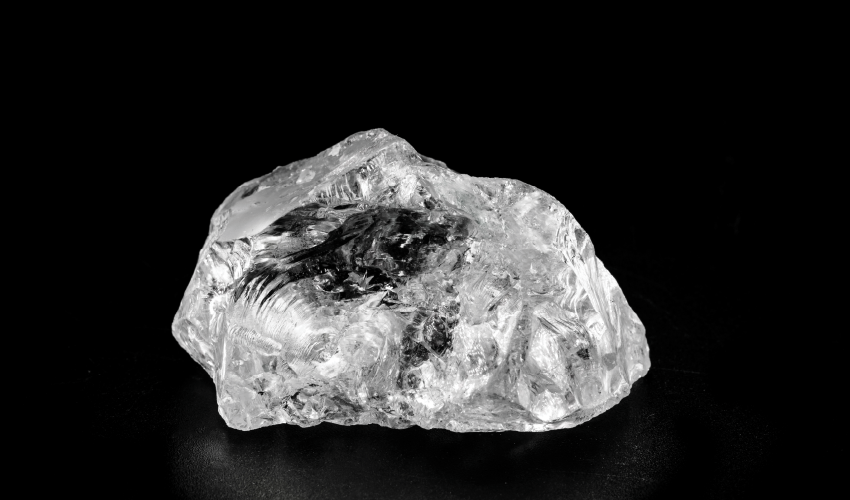
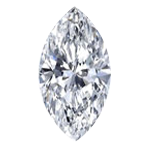
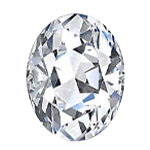
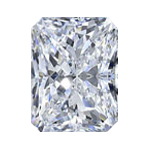
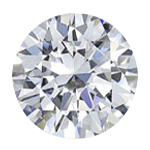
Loose natural diamonds in assorted cuts
Natural diamonds being inspected for clarity

Key Factors in Assessing Diamond Quality

When evaluating the quality and worth of a natural diamond, the 4 Cs—carat weight, cut, color, and clarity—are vital benchmarks:

  • Carat Weight: This refers to the size of the diamond, with larger stones being rarer and generally more valuable. However, their worth is also heavily influenced by the other Cs.

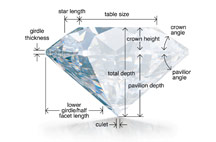
  • Cut: A diamond’s cut significantly impacts its brilliance. Well-executed cuts enhance light reflection, making this one of the most critical factors affecting the overall beauty of the stone.

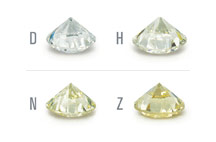
  • Color: Diamonds are graded on a scale from D (colorless) to Z (light yellow or brown). Colorless diamonds are typically the most sought after, although fancy colored diamonds can also command high values depending on their hue and saturation.

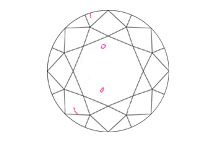
  • Clarity: Clarity assesses the presence of internal or external flaws, known as inclusions and blemishes. Diamonds with minimal imperfections tend to be more valuable.

    Natural diamonds, with their rich history, continue to captivate and hold significant value in the market. Price fluctuations occur due to various factors, but ongoing demand and the emotional significance attached to these gemstones solidify their enduring appeal. By understanding the 4 Cs and recognizing essential buying considerations, consumers can make informed choices that resonate with their personal tastes and investment aspirations. As the jewelry landscape evolves, the industry must adapt to new challenges and opportunities while cherishing the legacy of natural diamonds.

Diamond Shapes

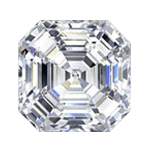
Asscher cut diamond shape

ASSCHER

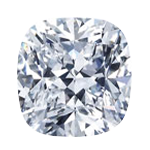
Cushion cut diamond shape

CUSHION

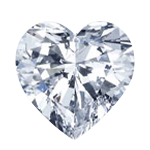
Heart cut diamond shape

HEART

Marquise cut diamond shape

MARQUISE

Oval cut diamond shape

OVAL

Radiant cut diamond shape

RADIENT

Round brilliant cut diamond shape

ROUND

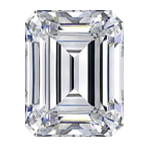
Emerald cut diamond shape

EMERALD

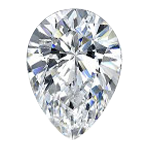
Pear cut diamond shape

PEAR

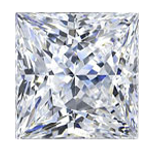
Princess cut diamond shape

PRINCESS

The 4 Diamond Cs

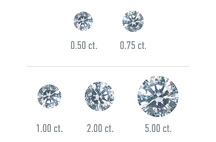
CARAT WEIGHT

diamond carat size chart

Rarity means larger diamonds of the same quality are worth more per carat.

COLOR

diamonds colors

The less color, the higher the grade. Even the slightest hint can make a dramatic difference
in value.

CLARITY

diamond clarity

Clarity grades assess the number, size, relief, and position of inclusions and blemishes.

CUT

diamonds cut

Cut (proportions, symmetry, and polish) is a measure of how a diamond’s facets interact
with light

Melee, centre stones, and why they price differently

Small accent diamonds, known as melee, are bought and priced by parcel and by size range rather than individually. Anything from roughly 0.5mm up is available in calibrated sizes, and this is what fills pave, halos and tennis lines. Centre stones above about half a carat are bought individually, priced individually, and are where certification starts to earn its cost.

A design that uses one certified centre stone and matched melee around it is far easier to reproduce at volume than one built from many mid-size stones, because mid-size is exactly the range where matching is hardest and parcels are thinnest.

Specifying quality without over-specifying

The 4 Cs matter, but not equally at every size. On melee, colour and cut consistency across the run matter far more than the grade of any single stone, because the eye reads the line rather than the stone. On a centre stone, cut does most of the visible work: a well-cut stone a grade lower in colour will usually outperform a poorly cut stone a grade higher.

Tell us the price point you need to hit and the look you want, and we will tell you where to spend and where the customer will never see the difference. That conversation saves more money than negotiating on the quote does.

Volume, matching and repeatability

The question we get asked least and should be asked most is whether a specification can be repeated. If your first order sells and you reorder in six months, the stones have to match the ones already in your customers’ hands. We will tell you at quoting stage whether a specification is repeatable or whether you are buying a one-off, which is a fair thing to know before you build a range around it.

Scroll to Top