
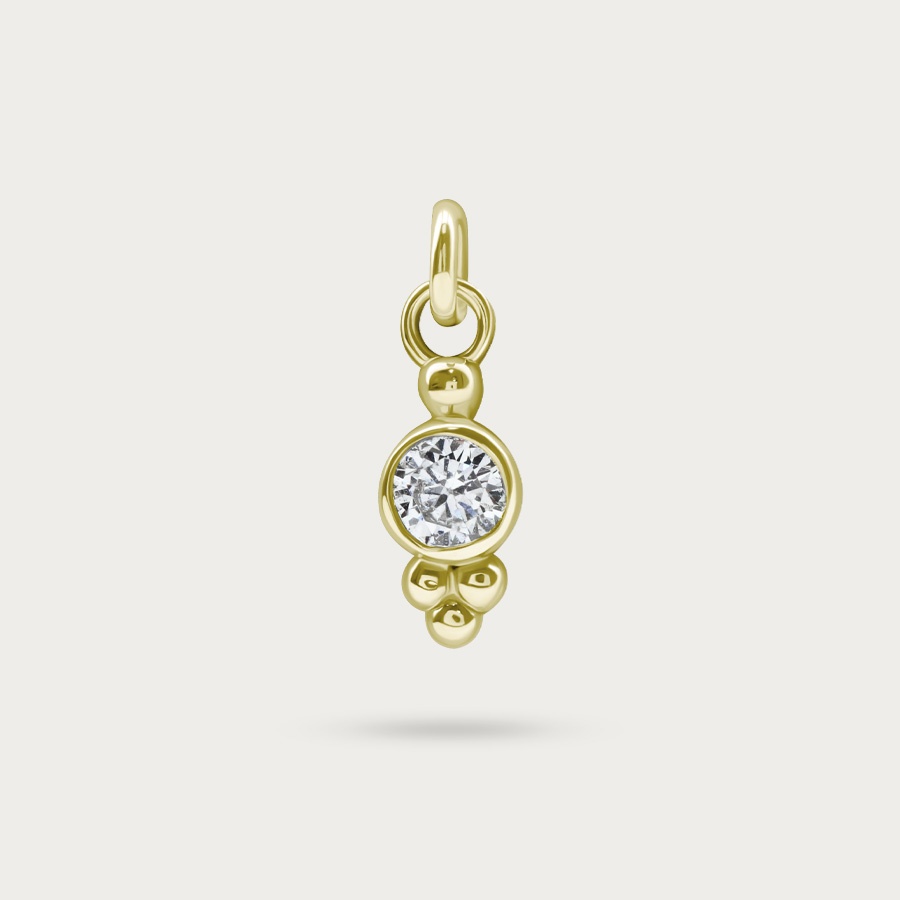
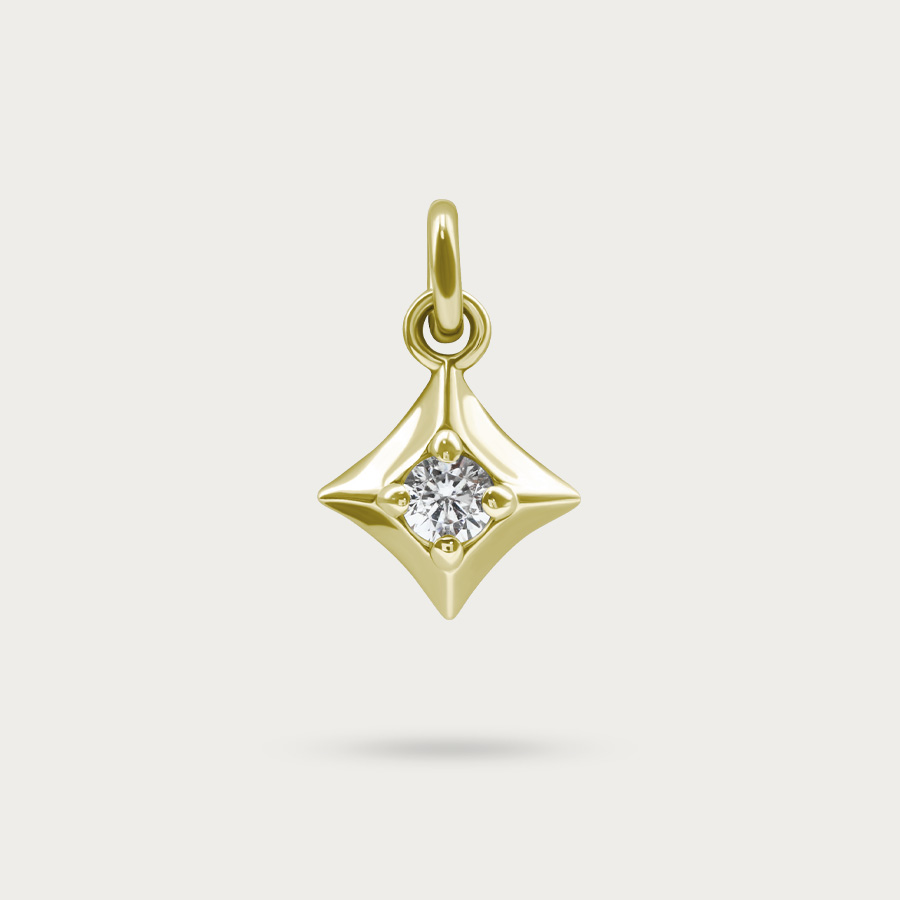
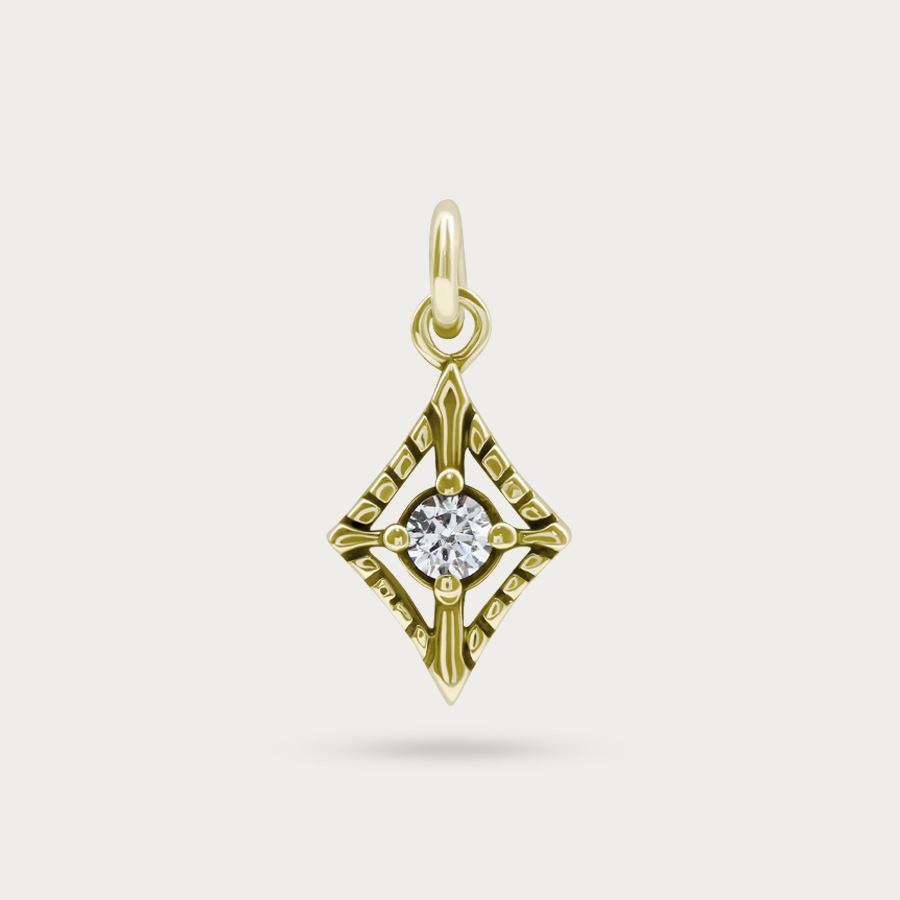
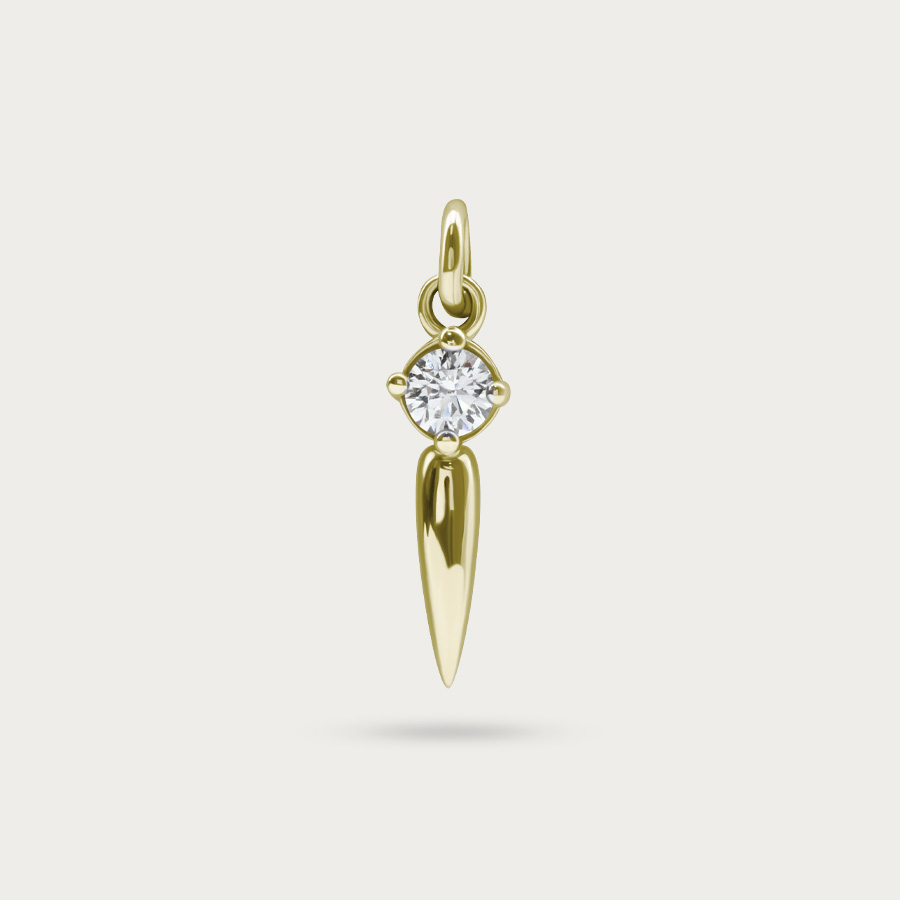
What sells, and how charms get bought
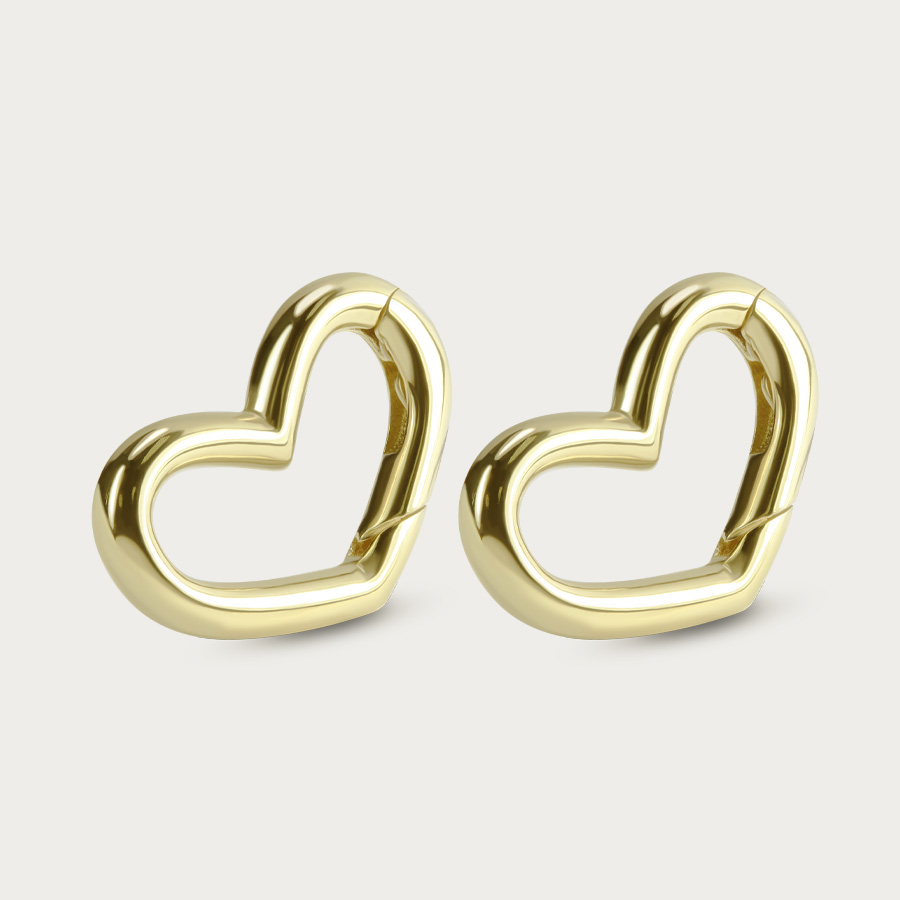
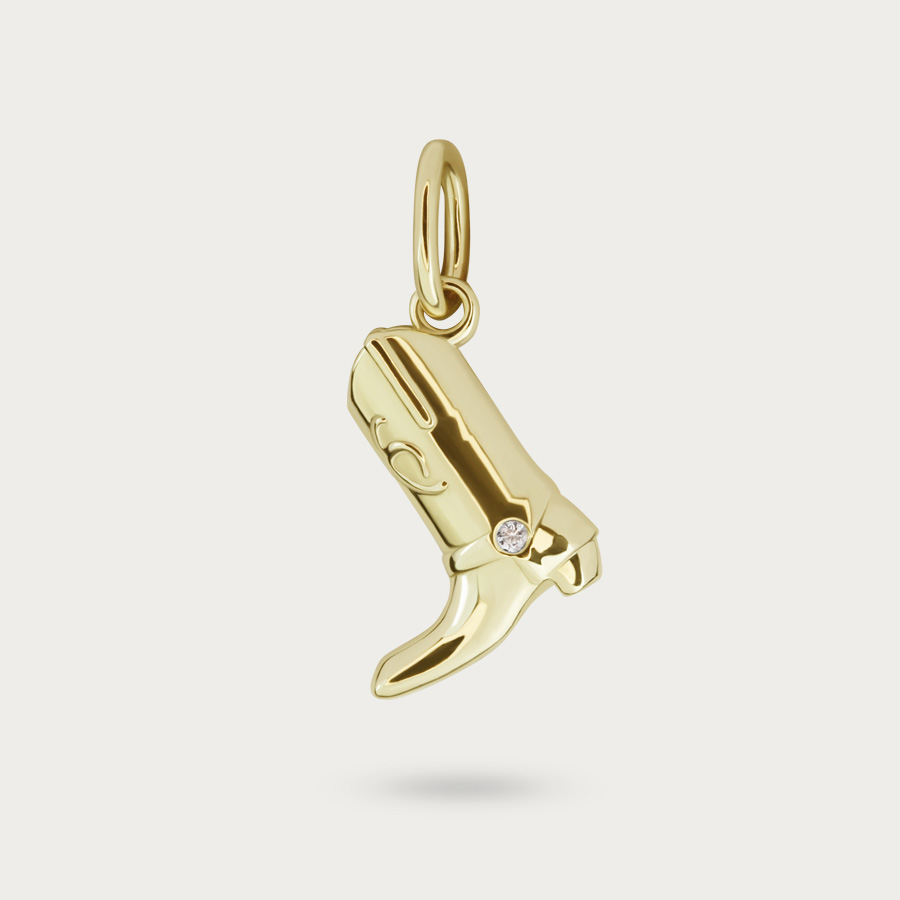
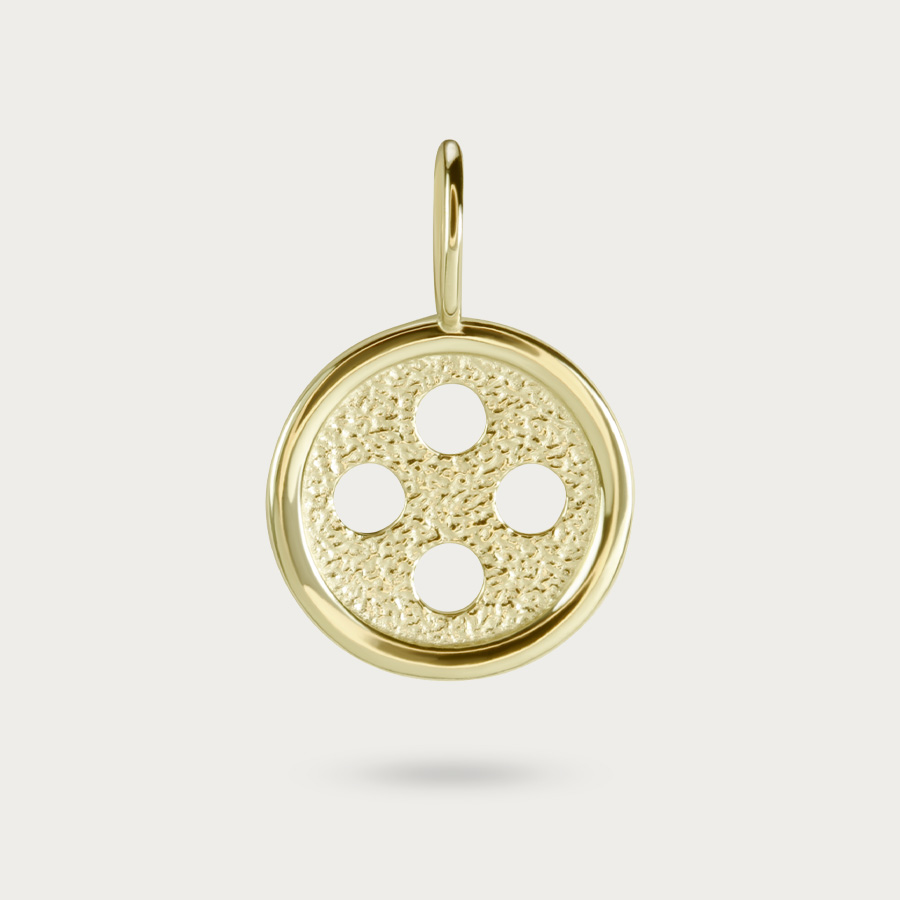
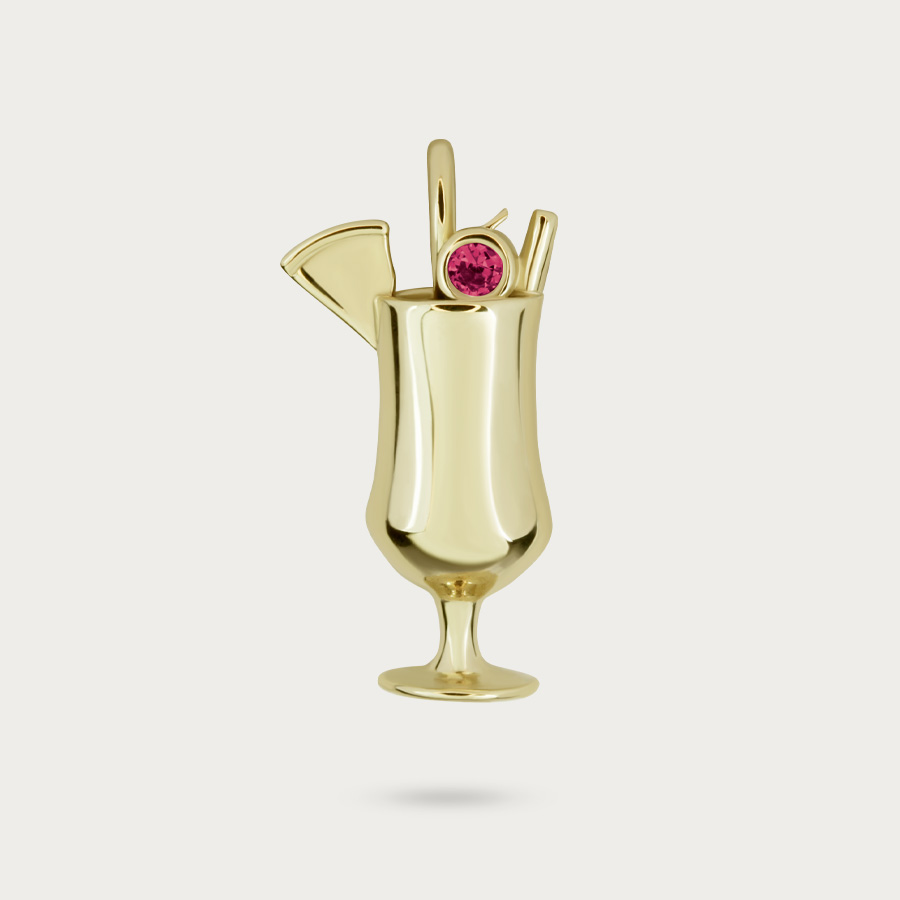
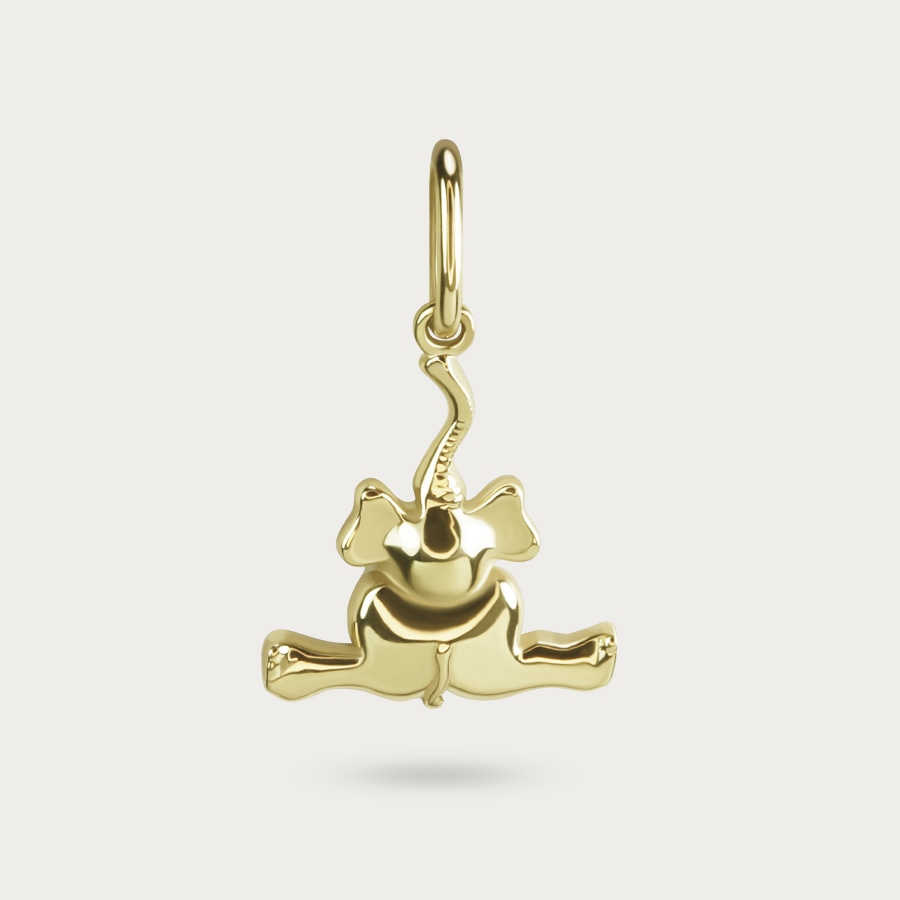
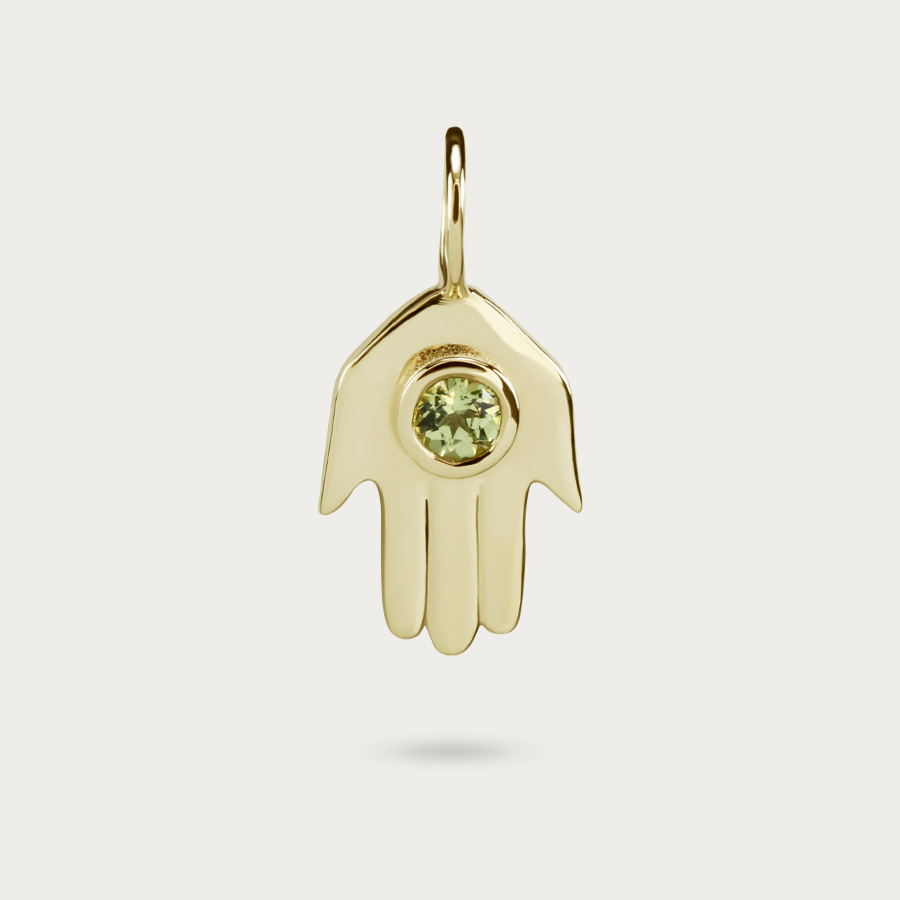
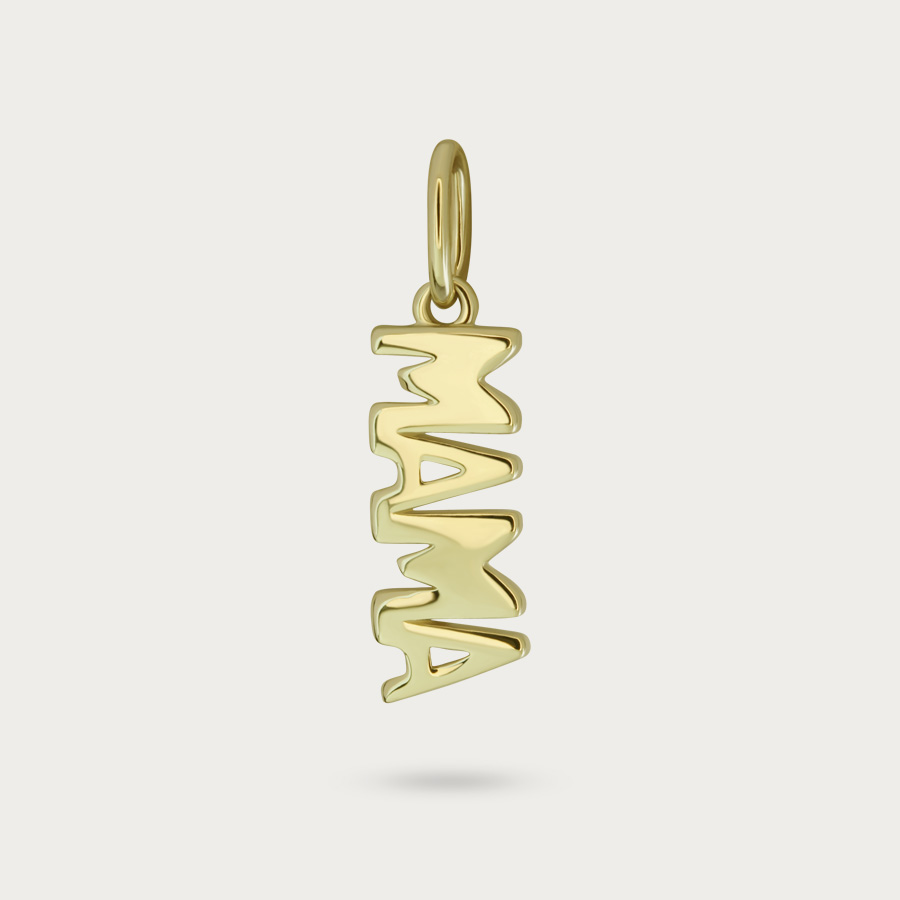
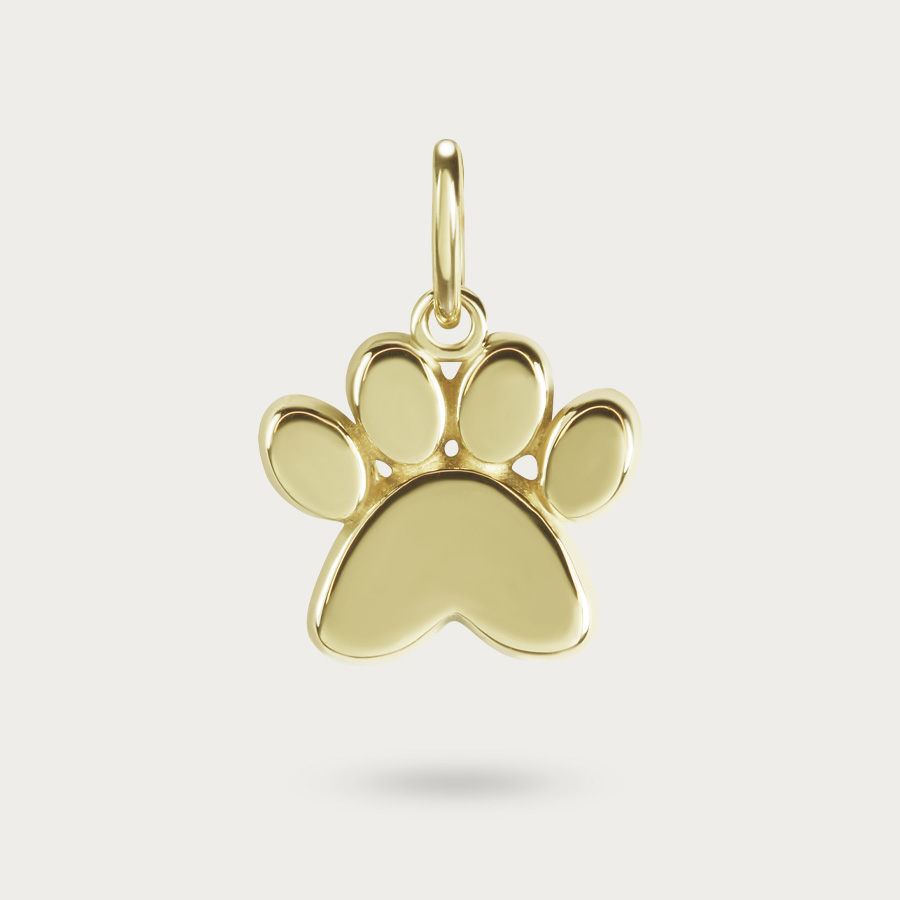
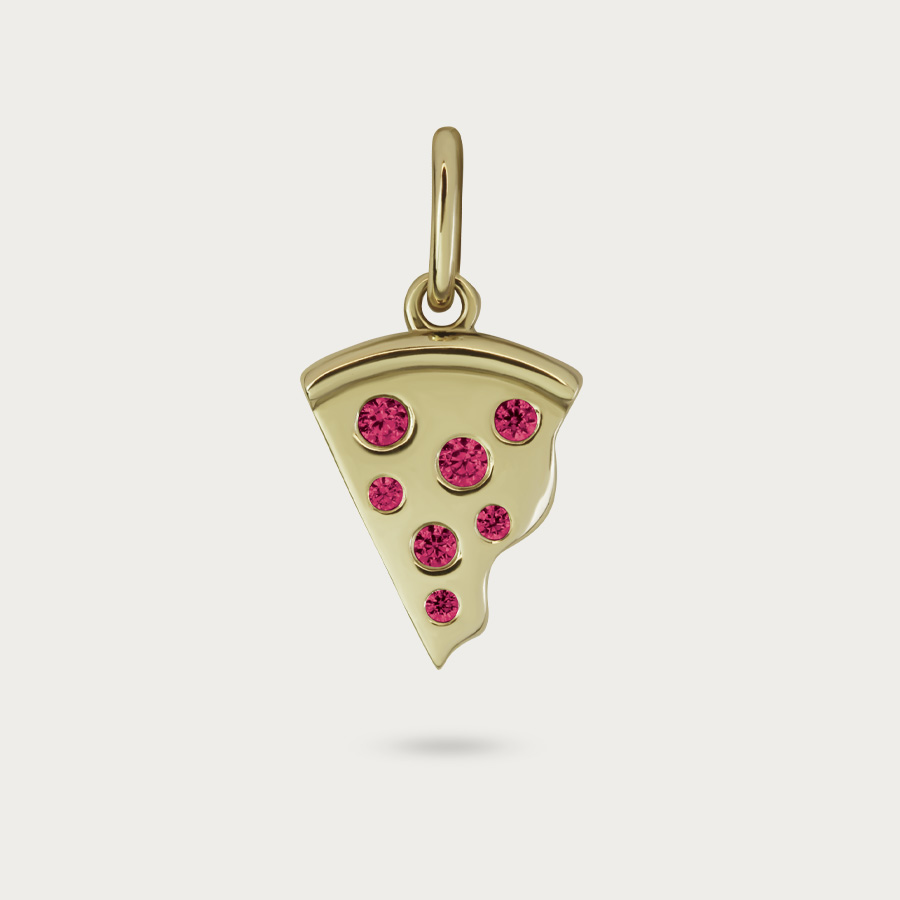
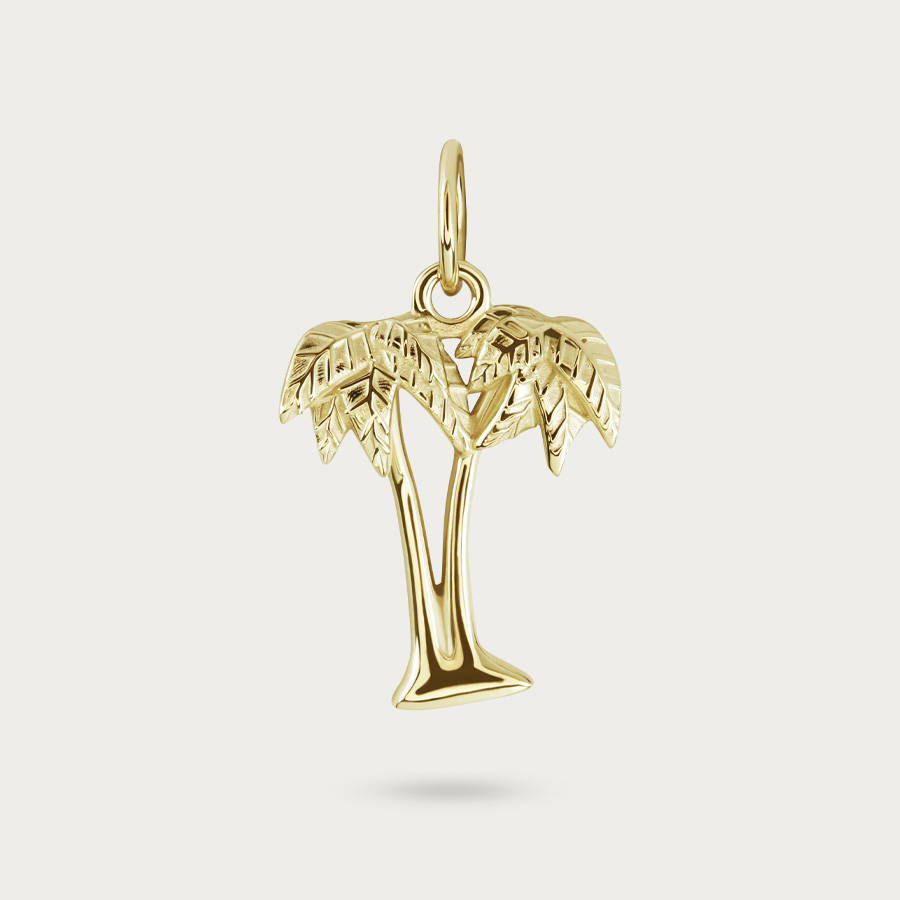
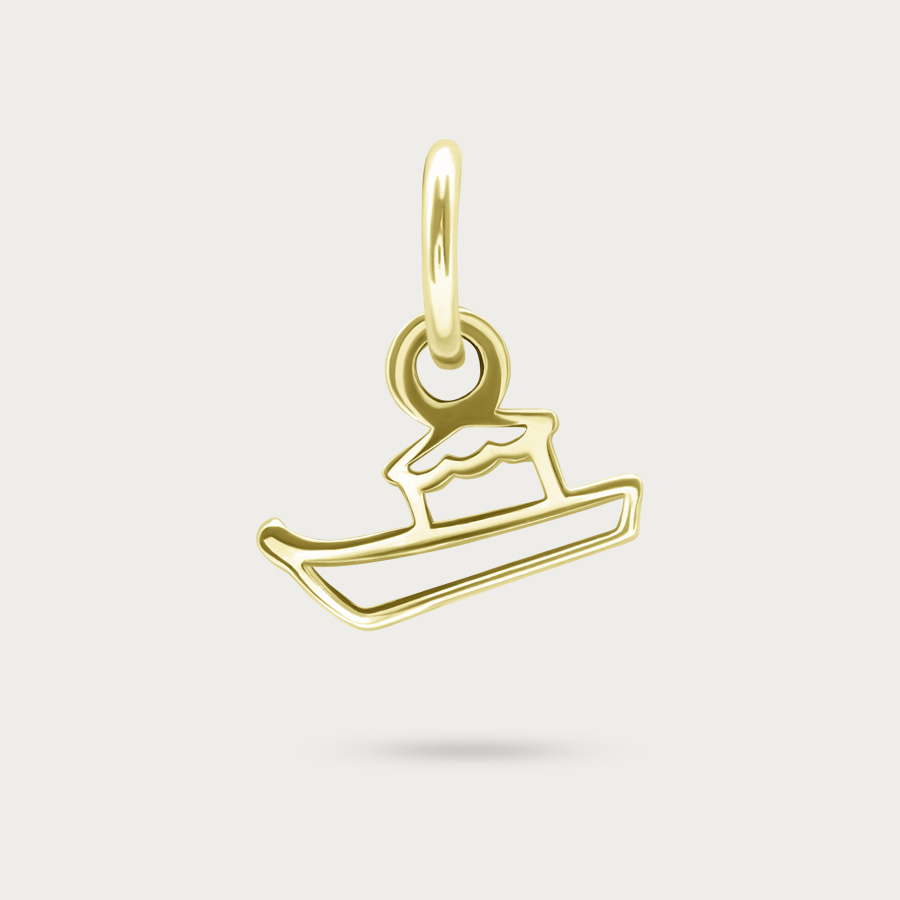
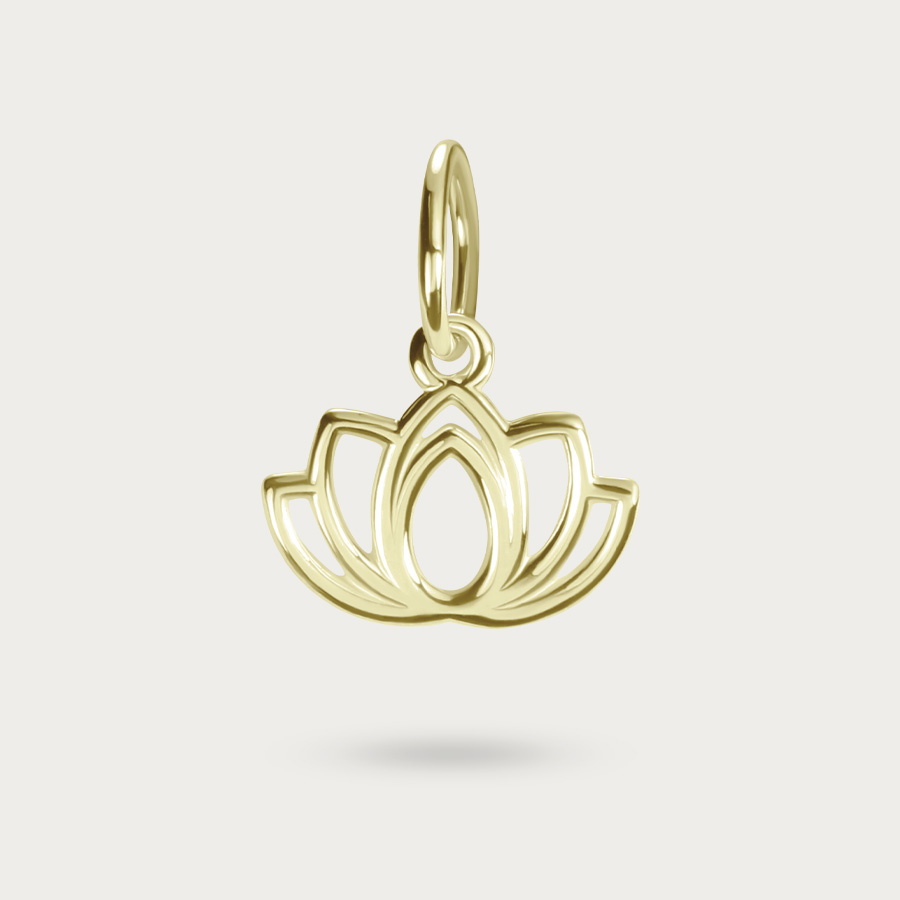
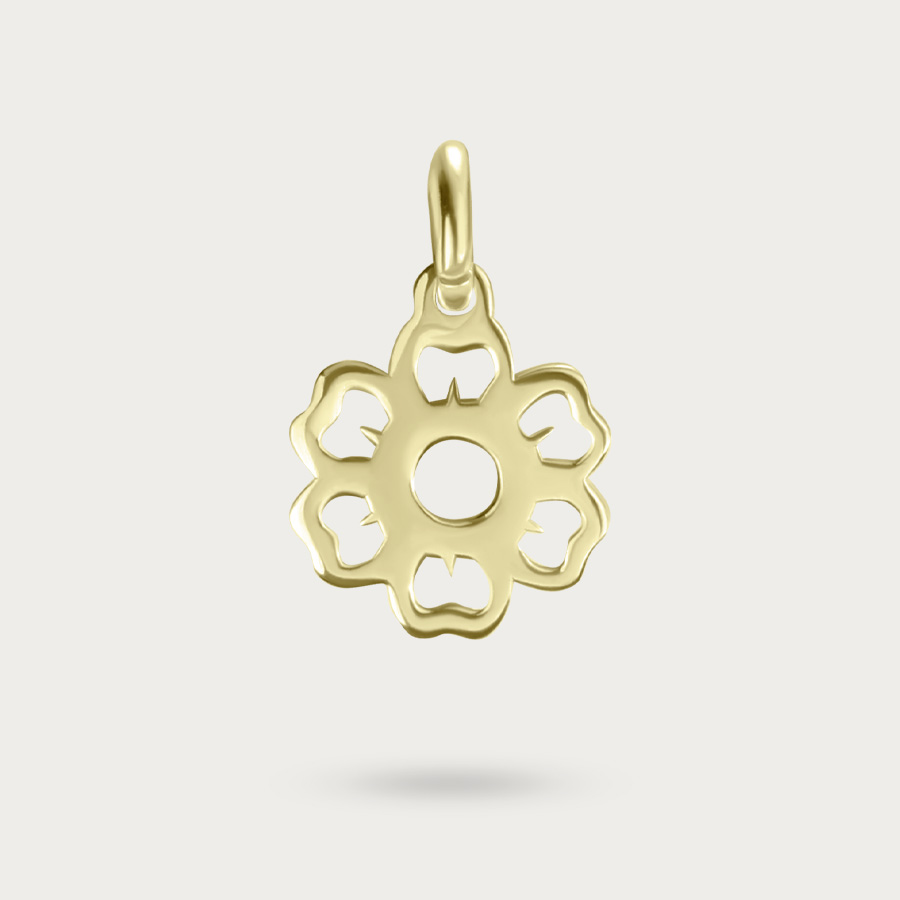
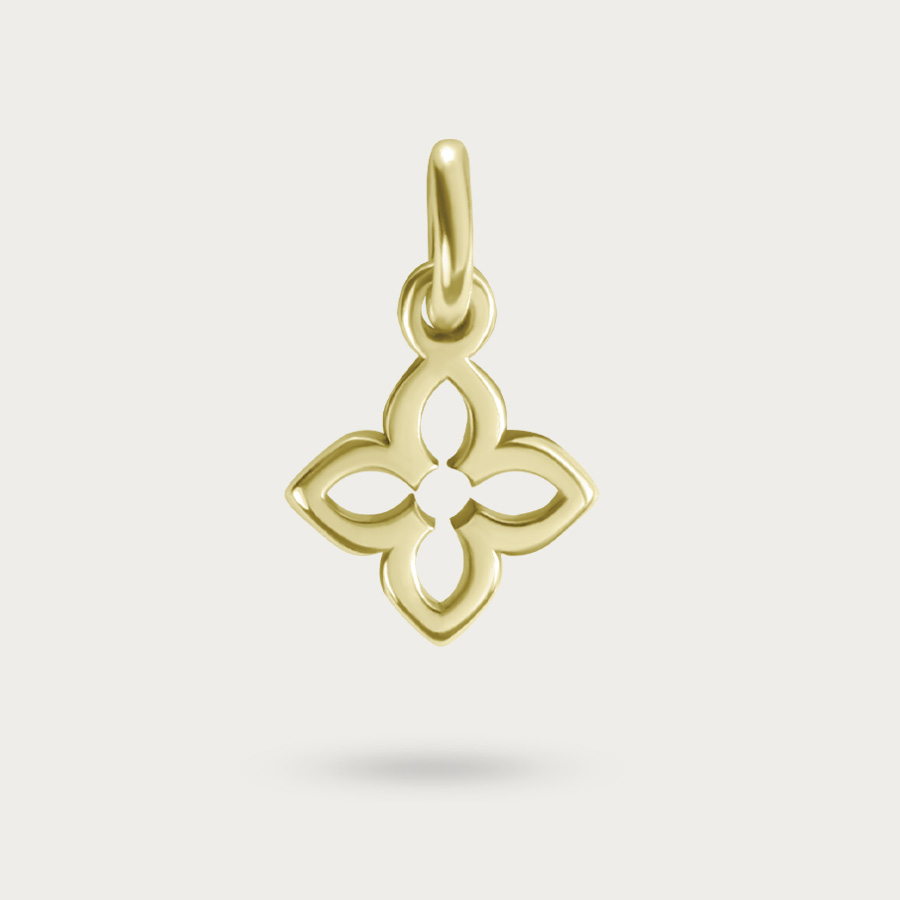
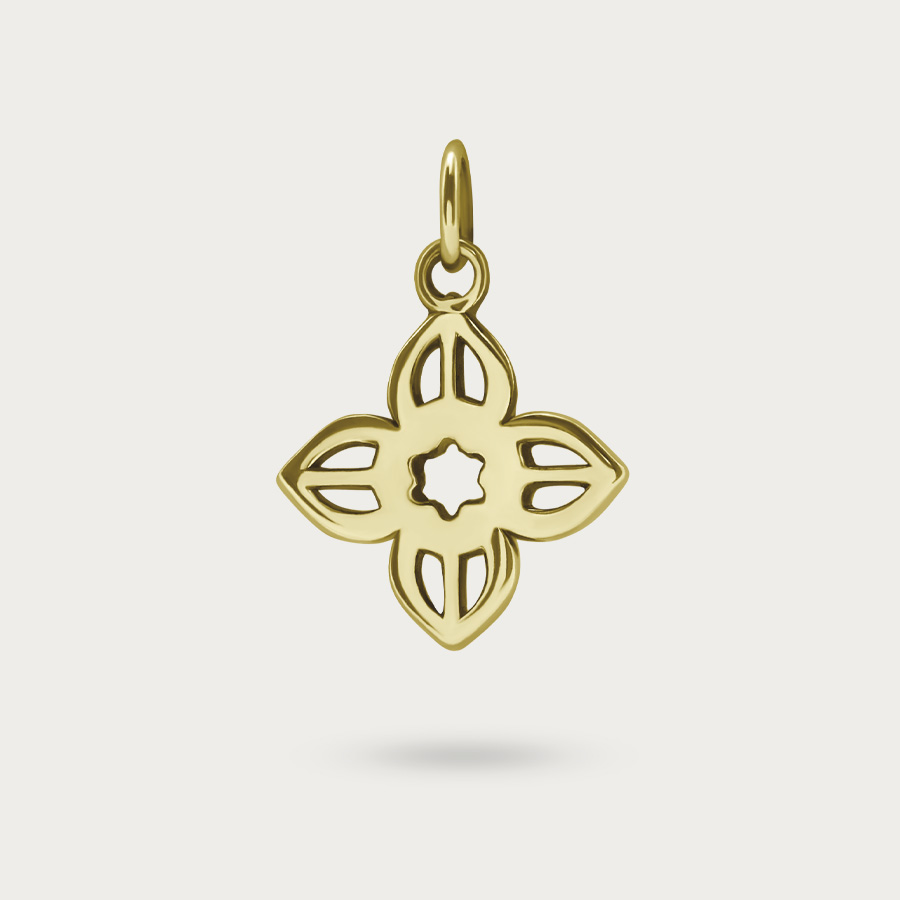
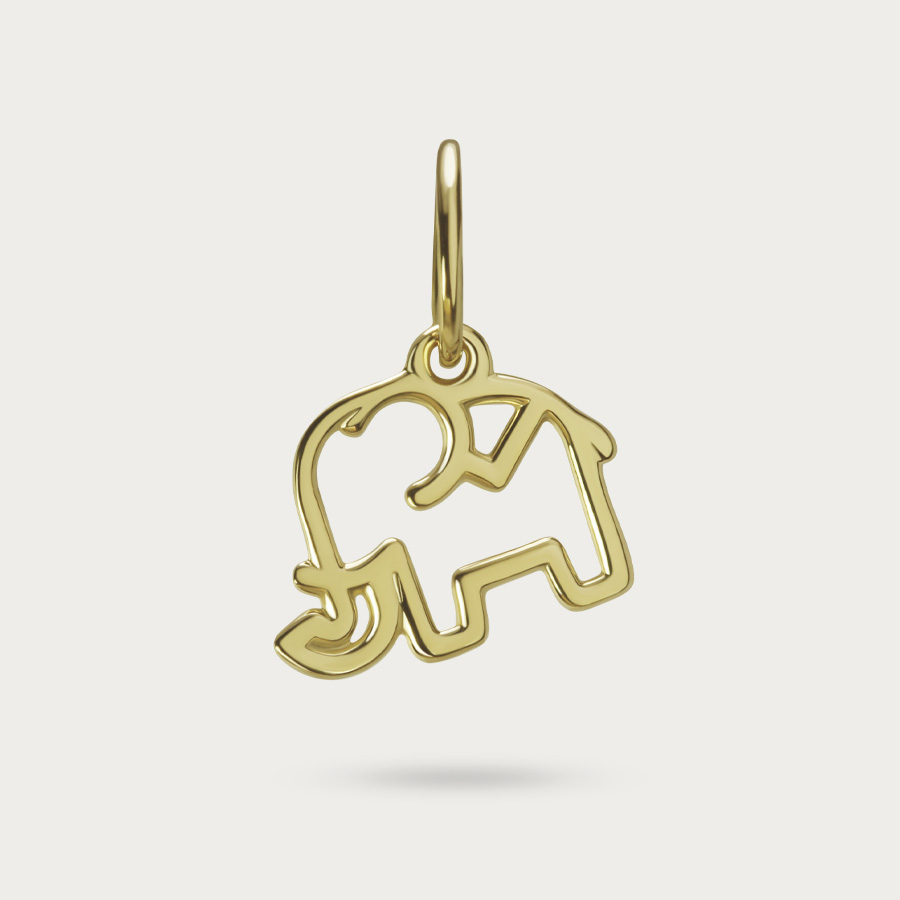
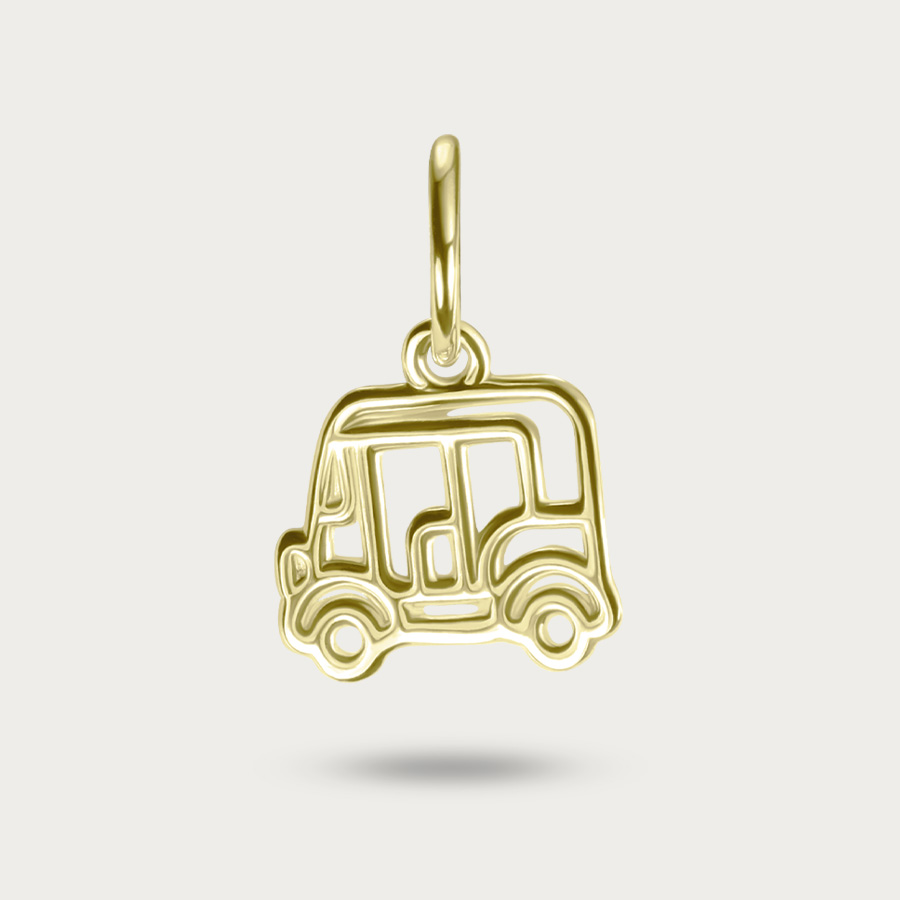
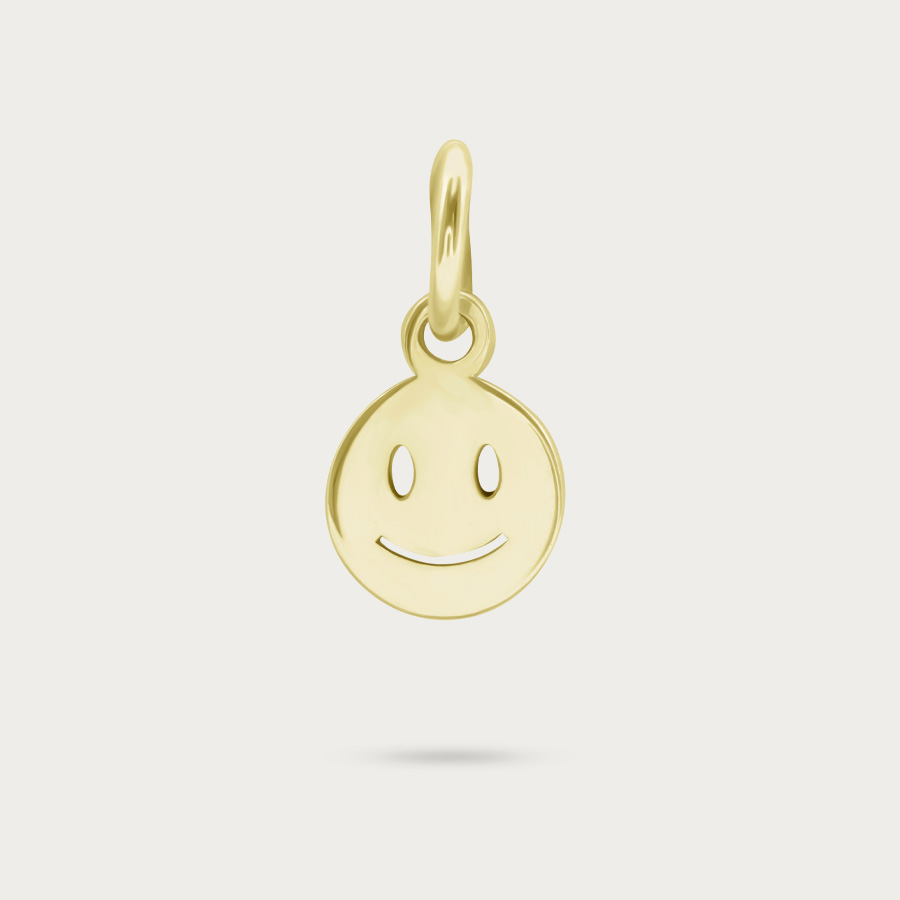
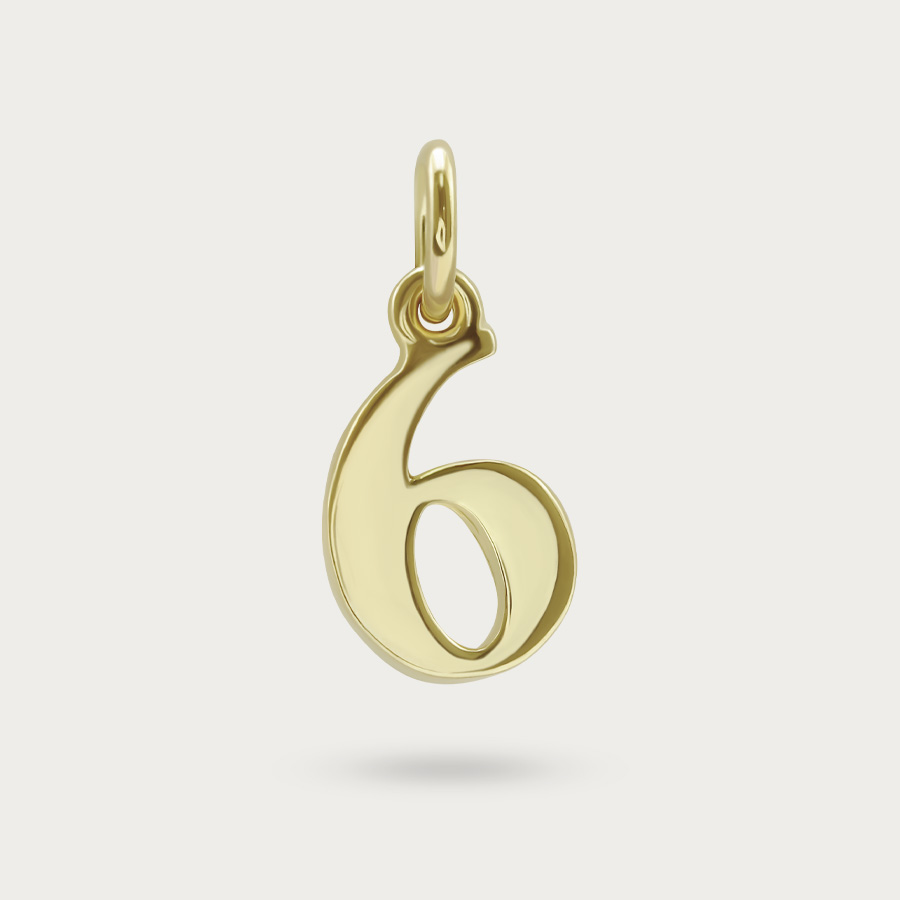
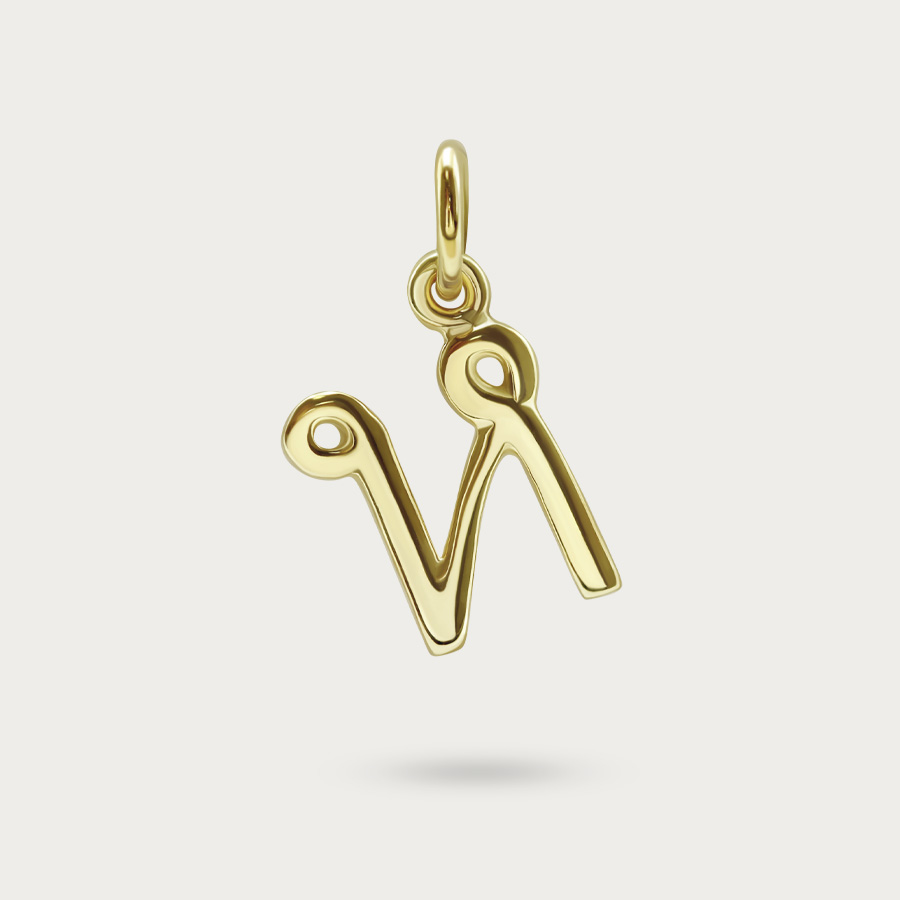
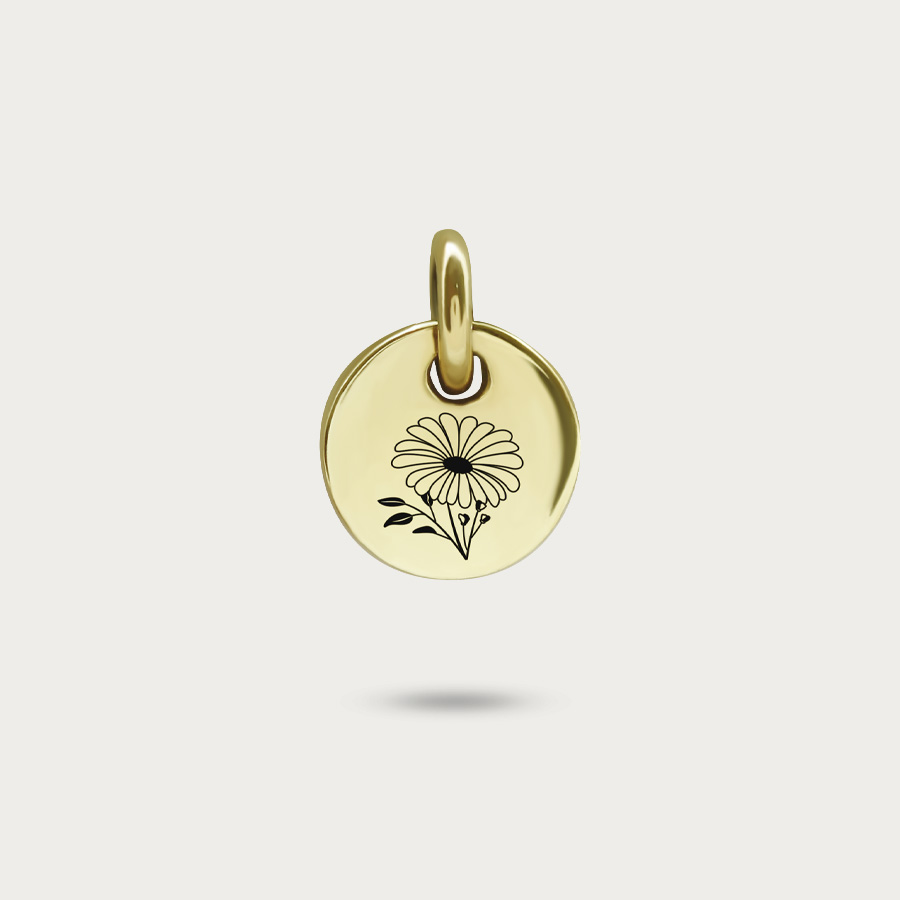
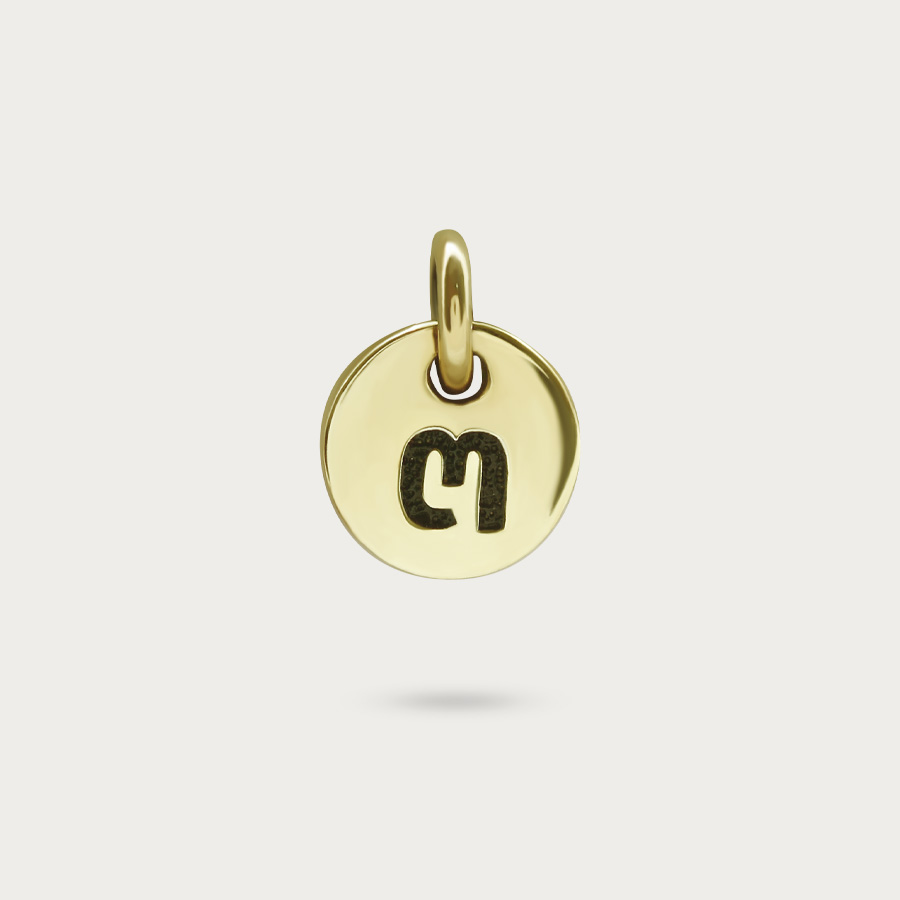
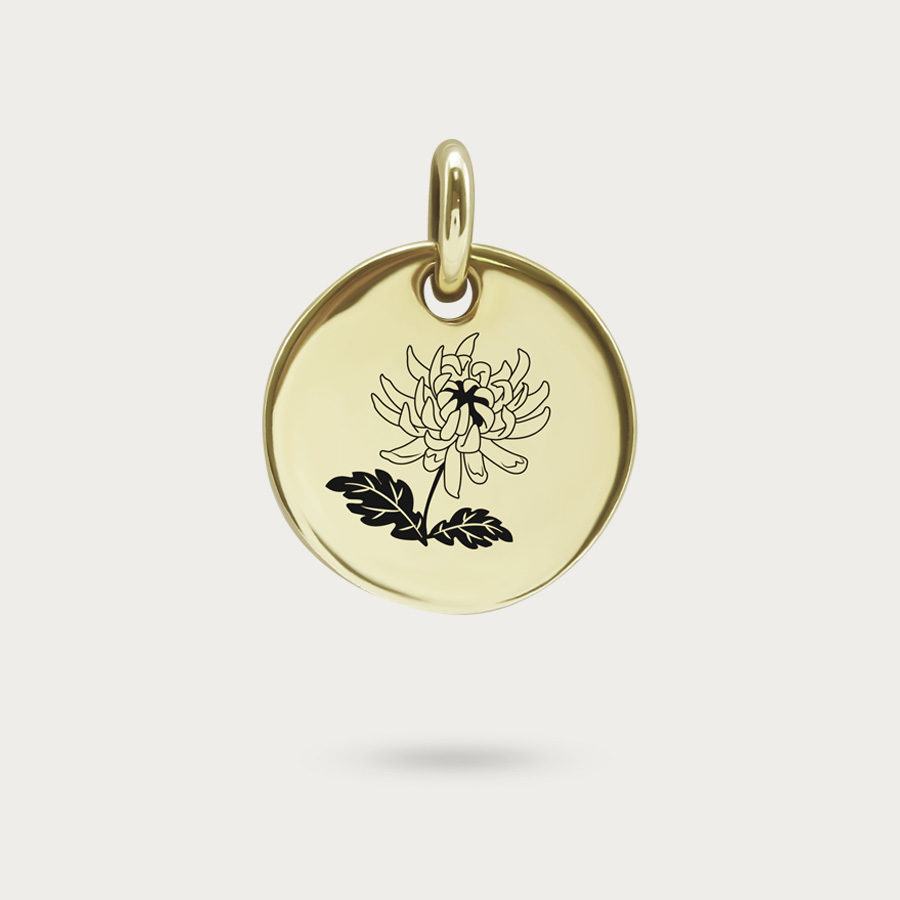
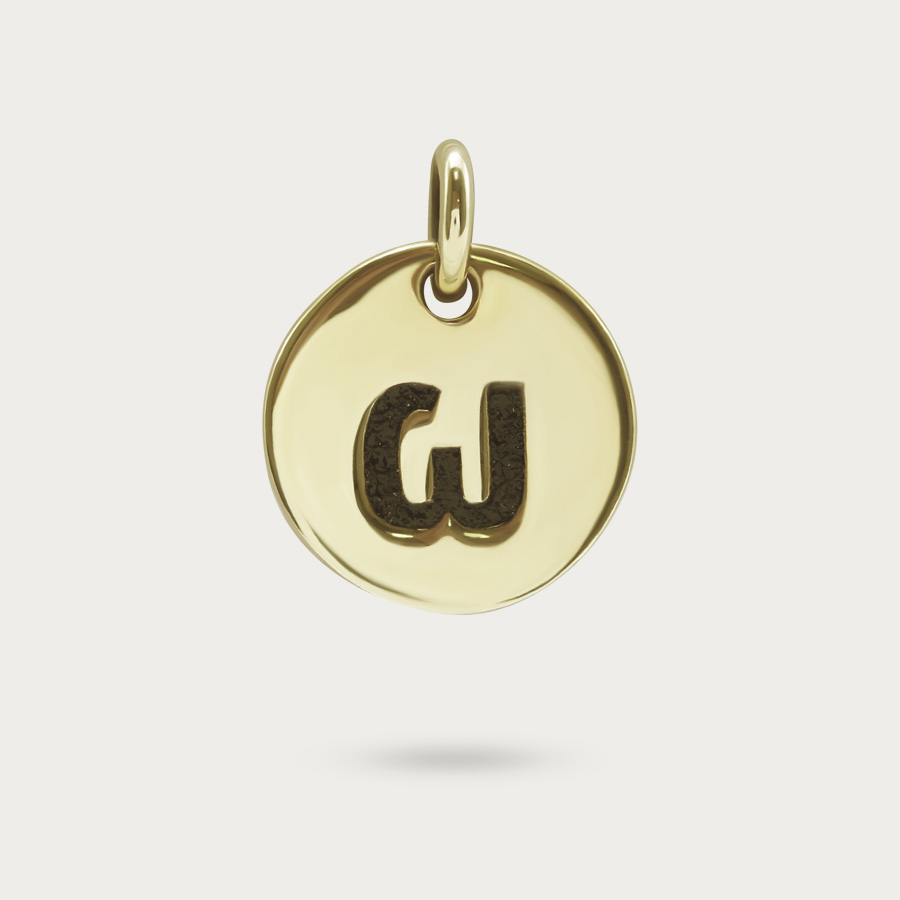
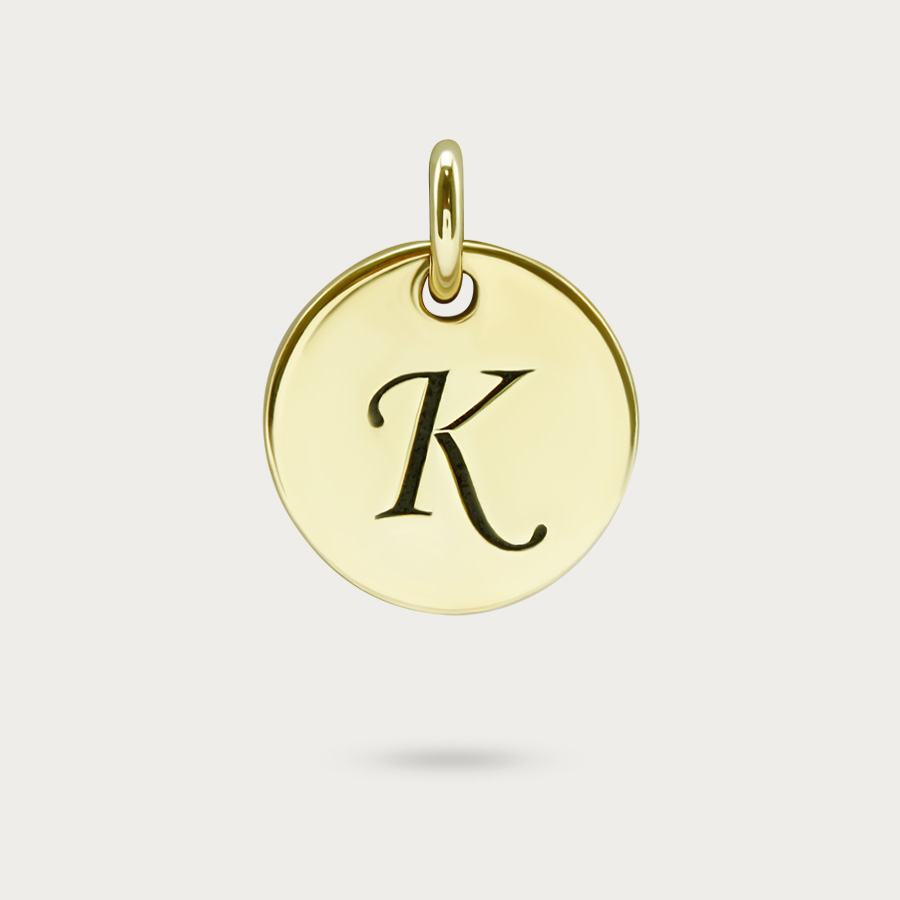
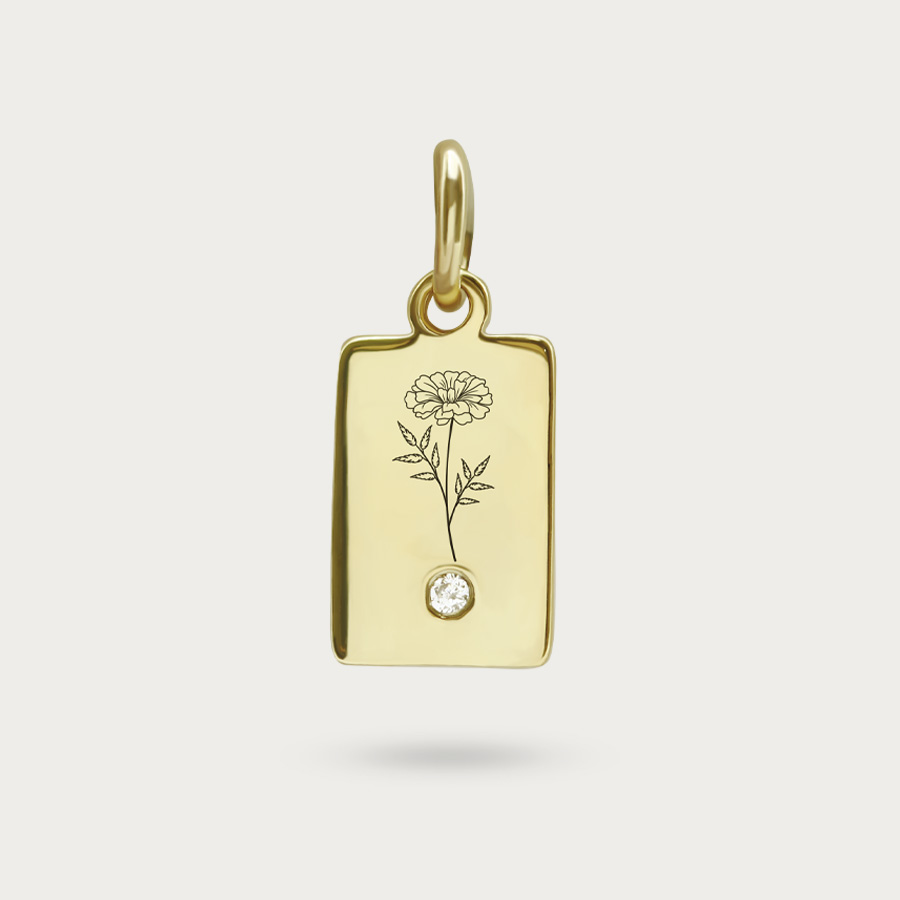
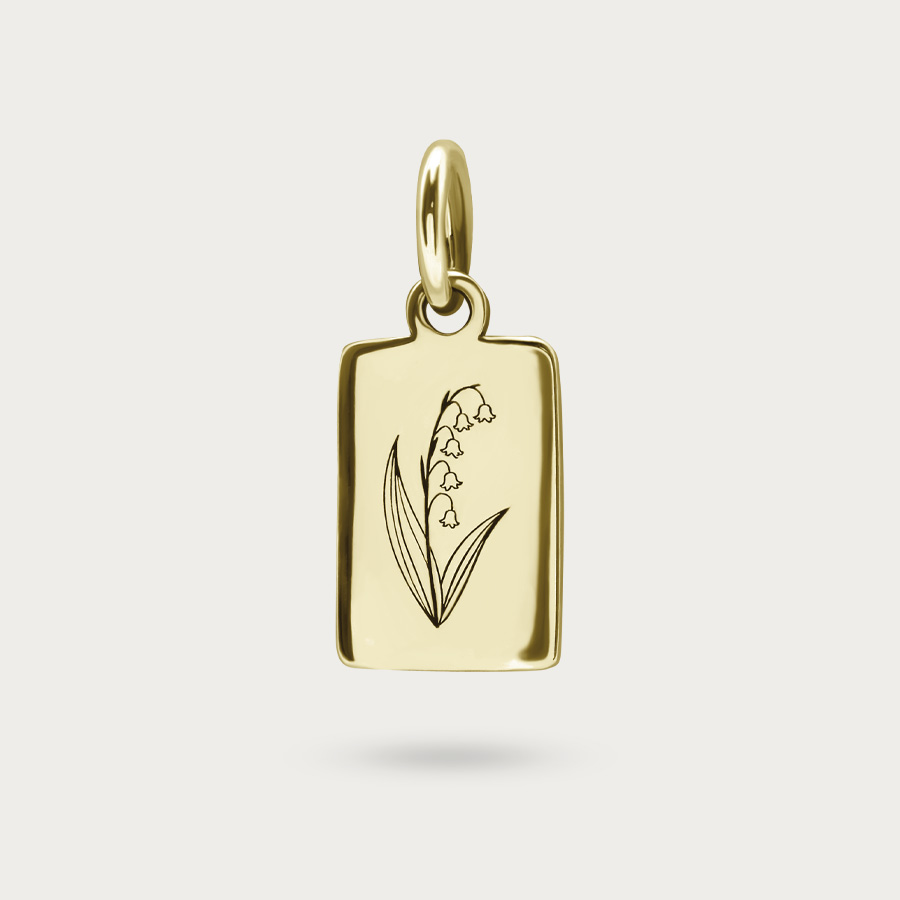
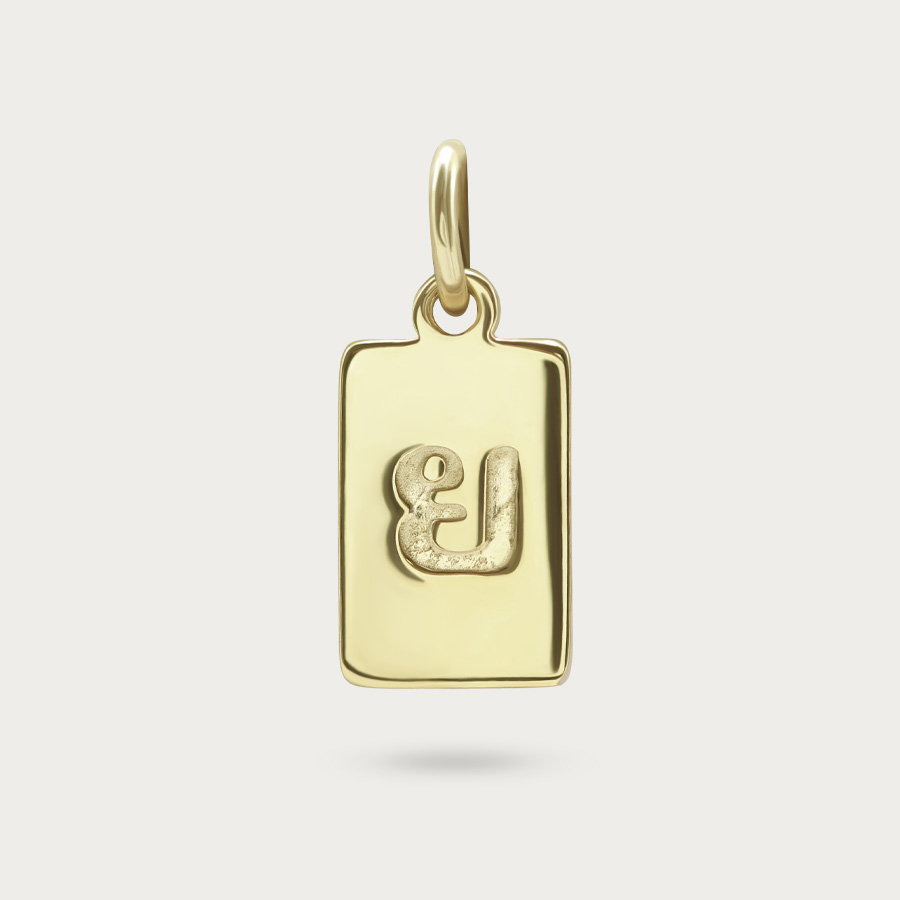
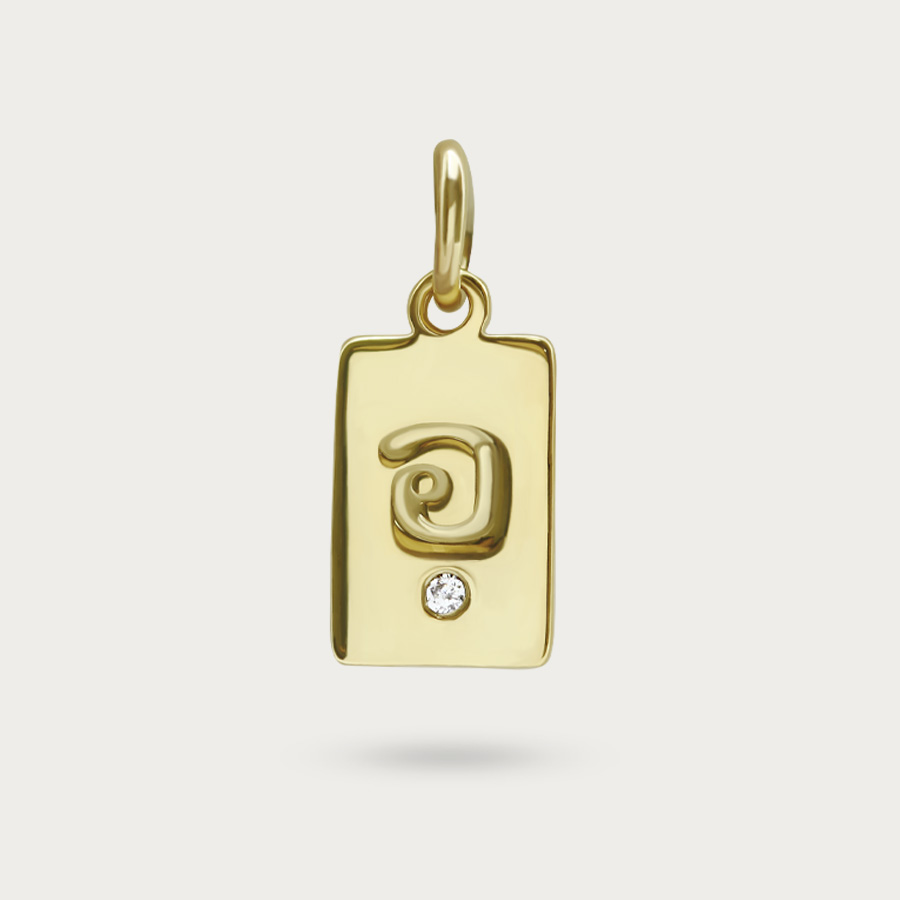
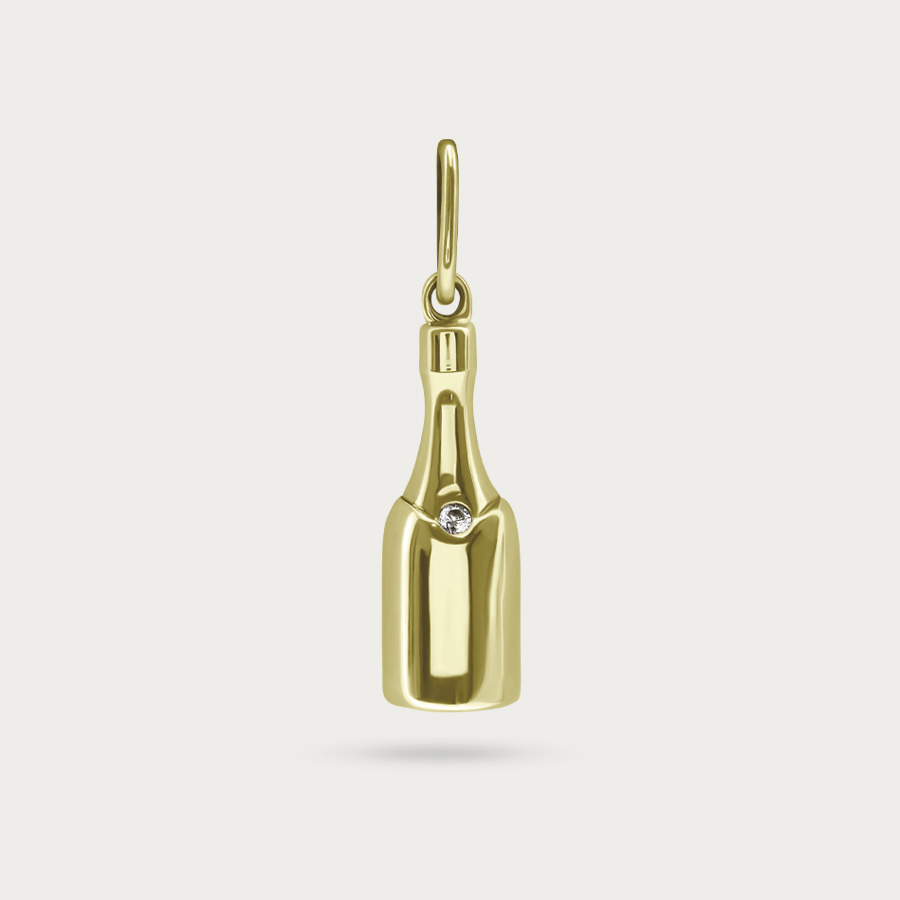
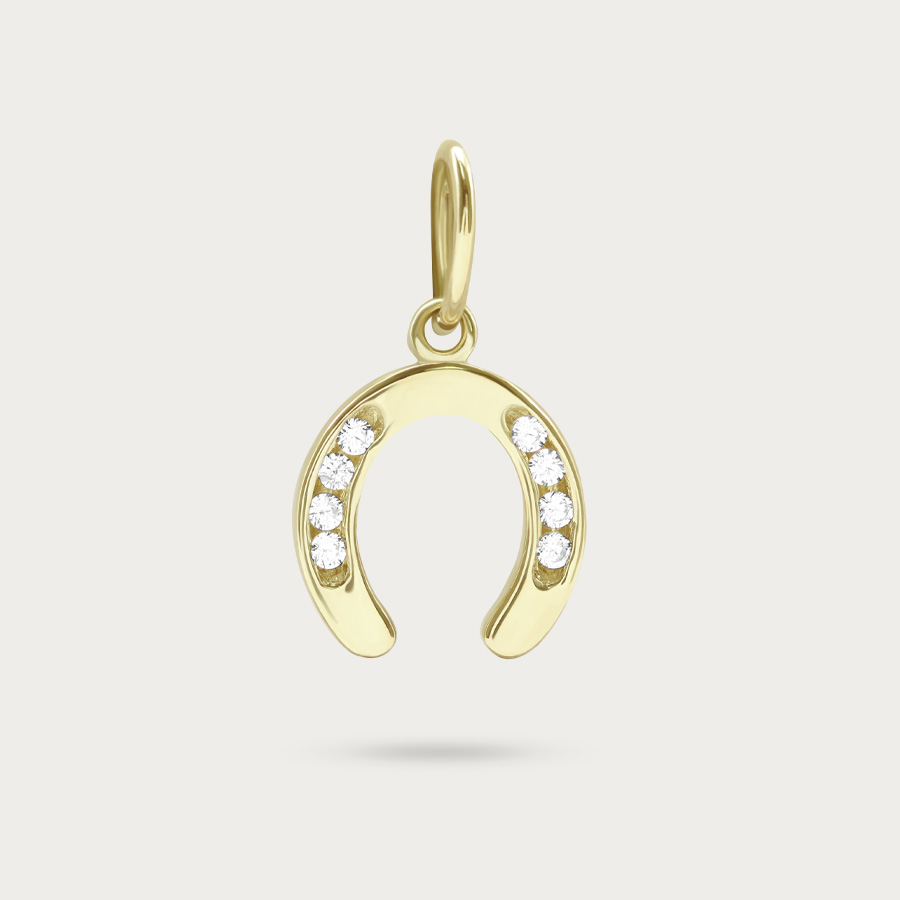
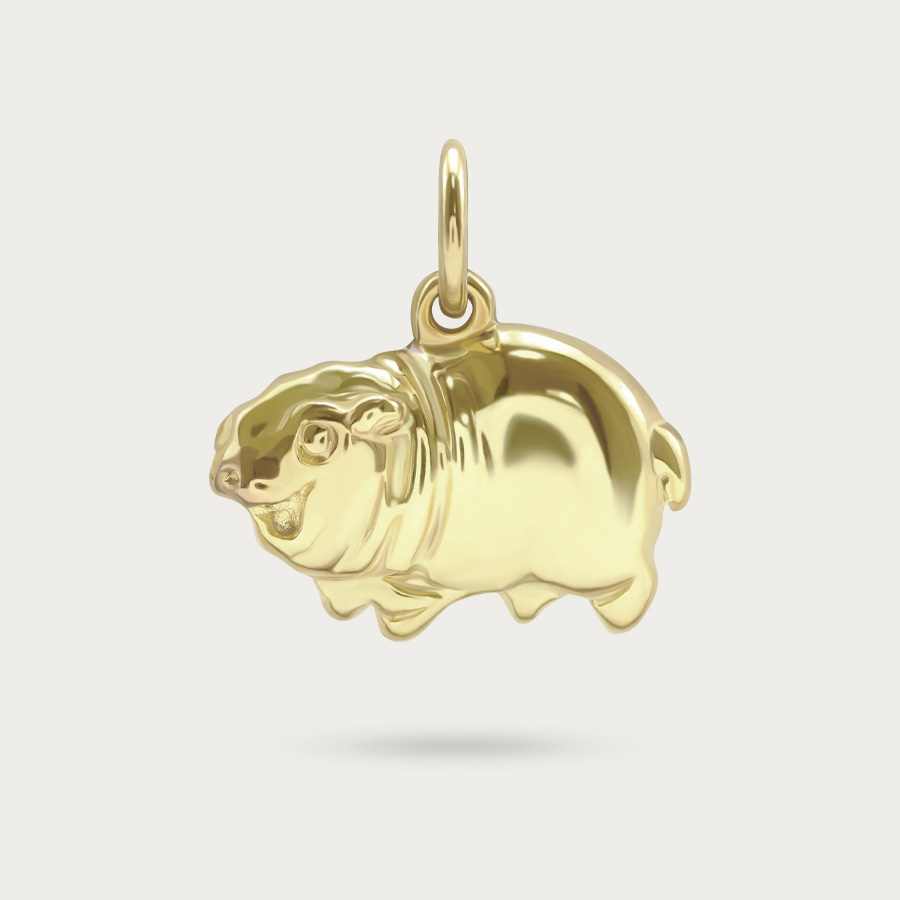
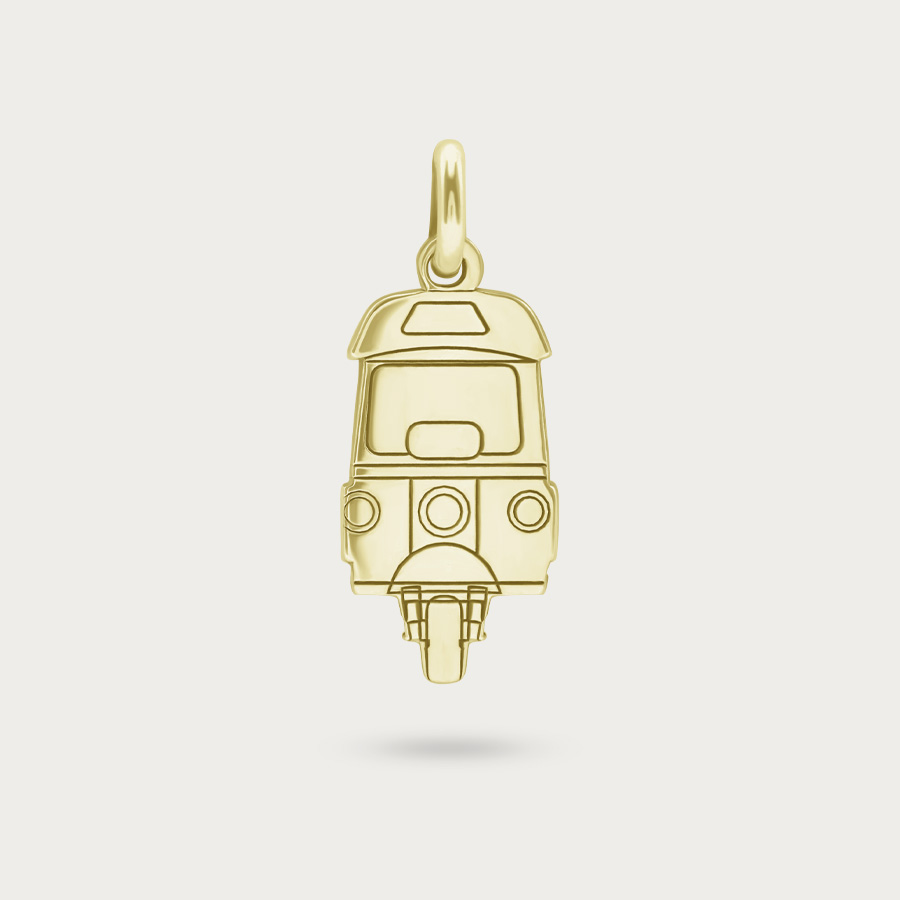
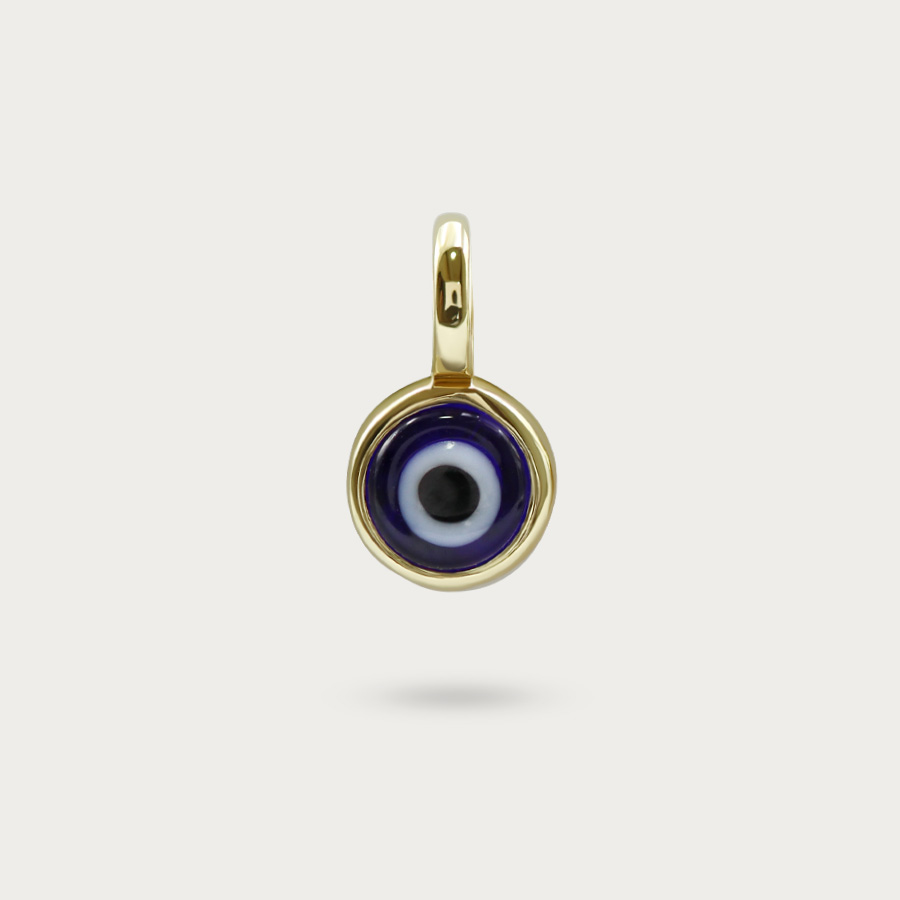
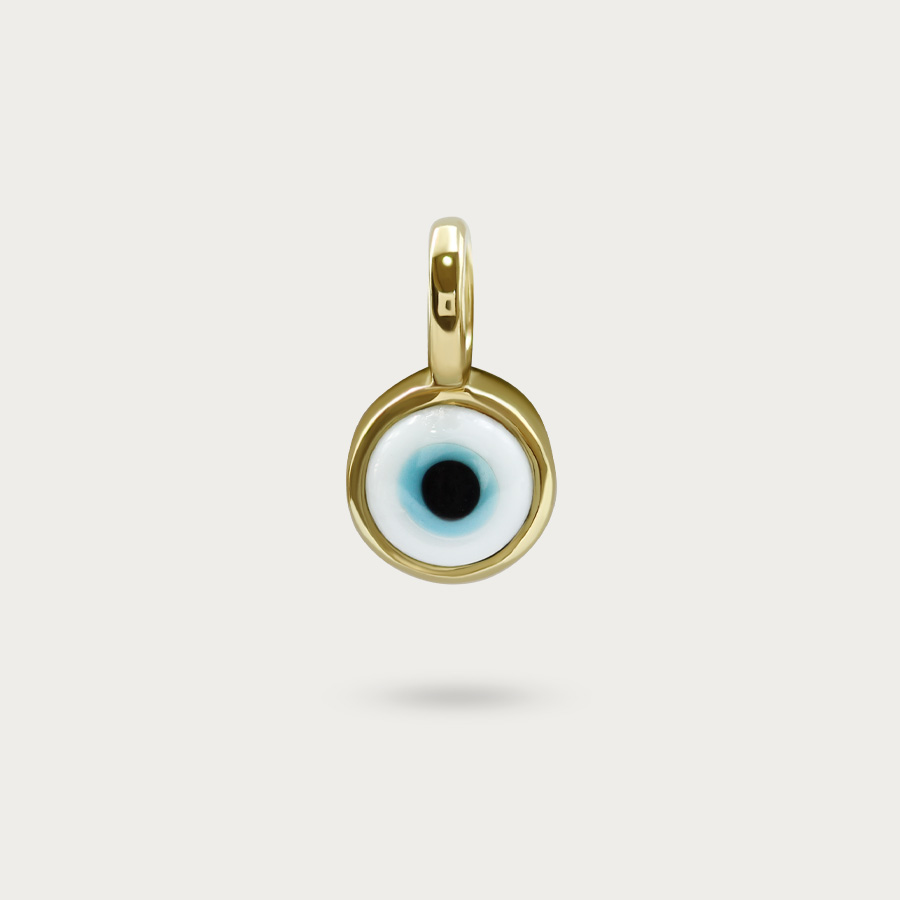
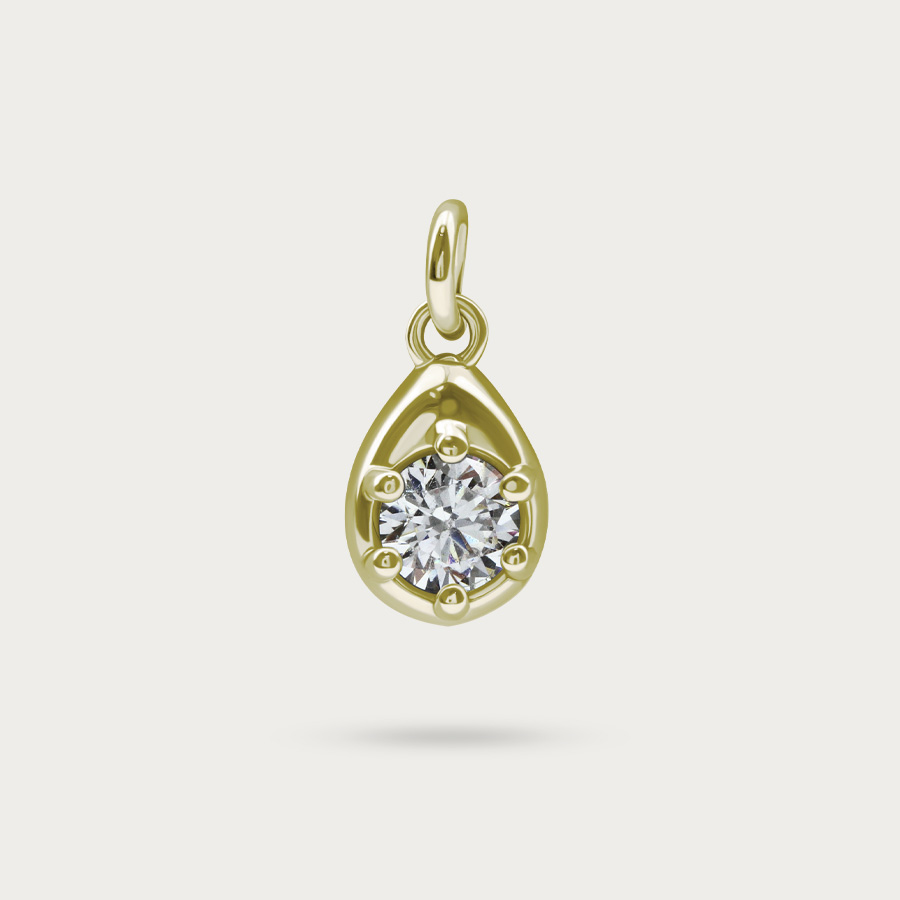
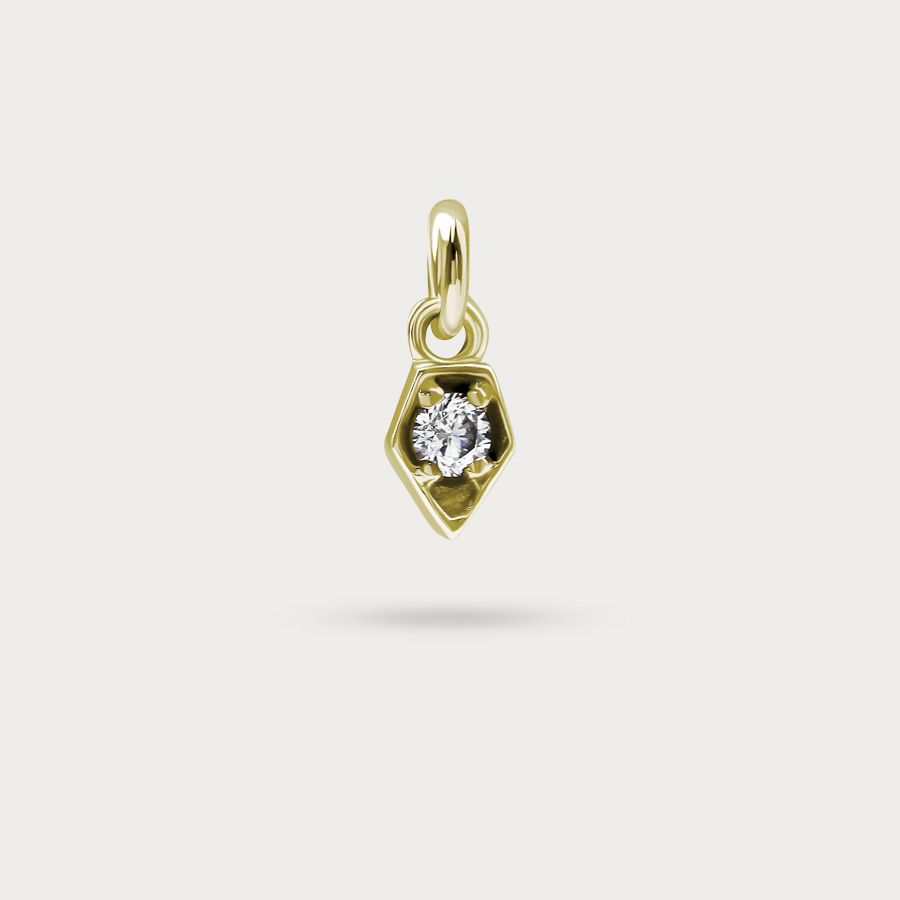
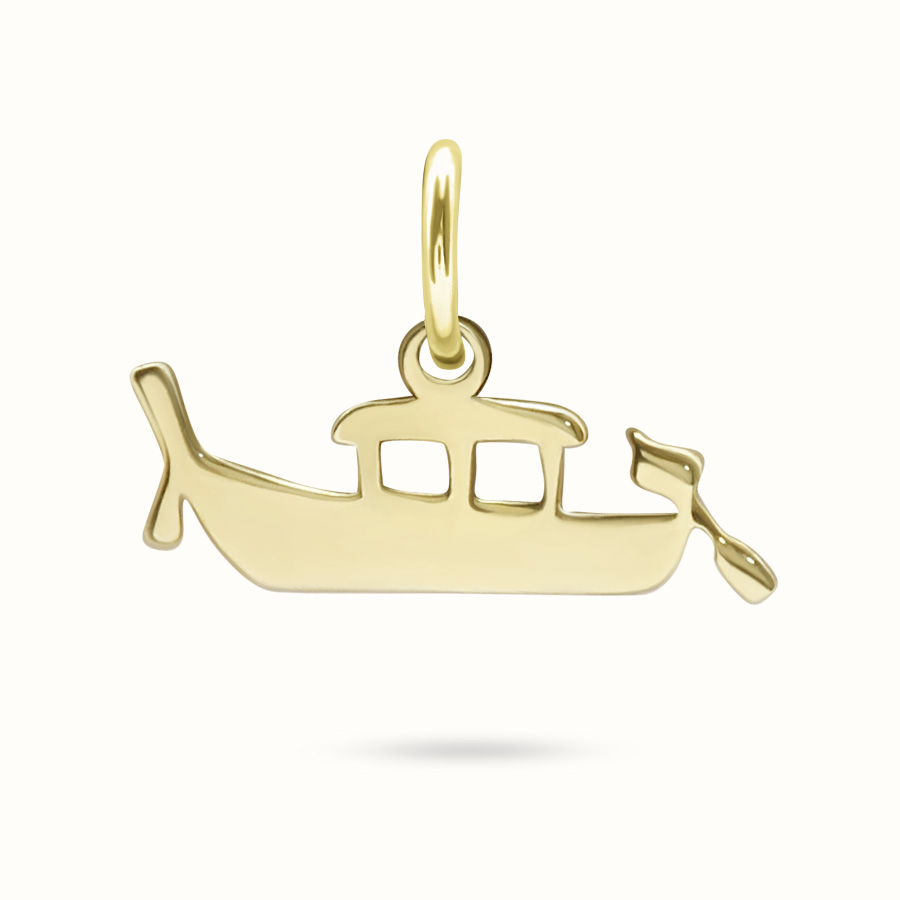
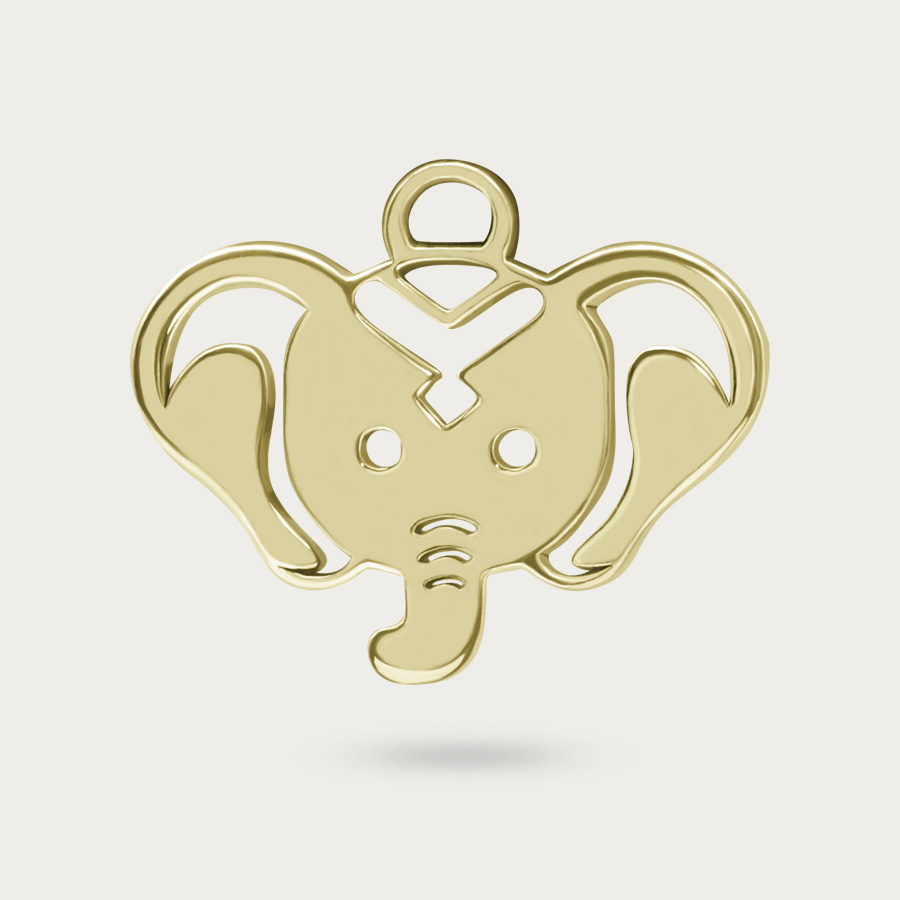
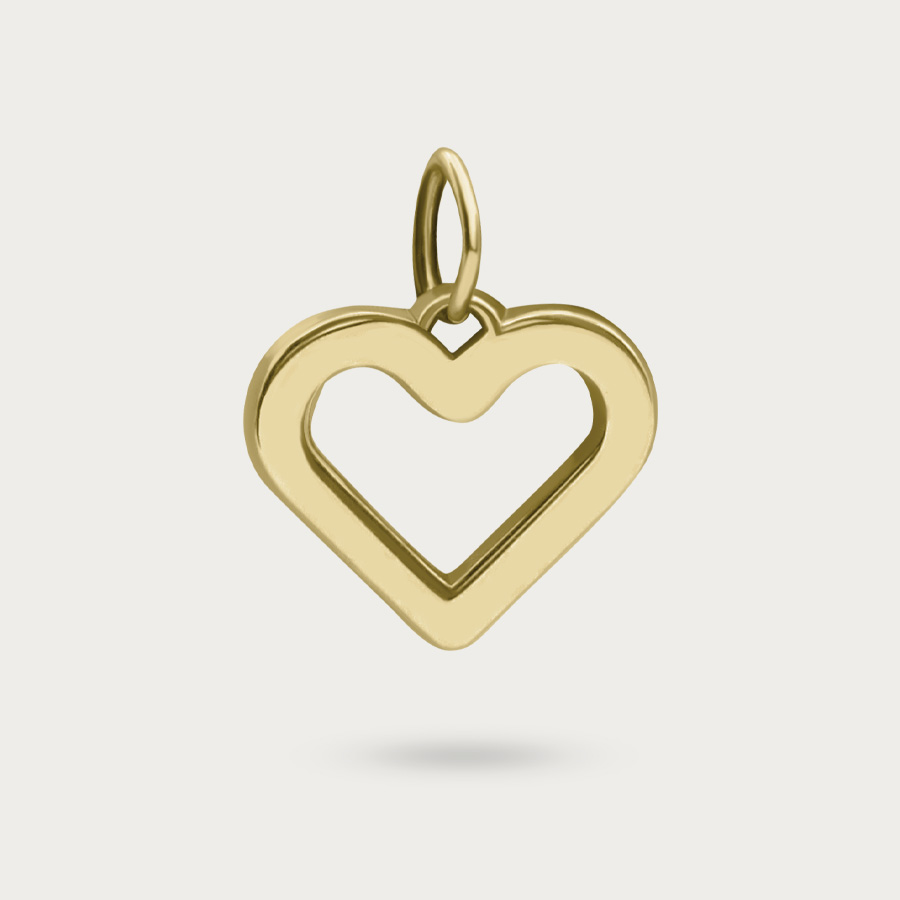
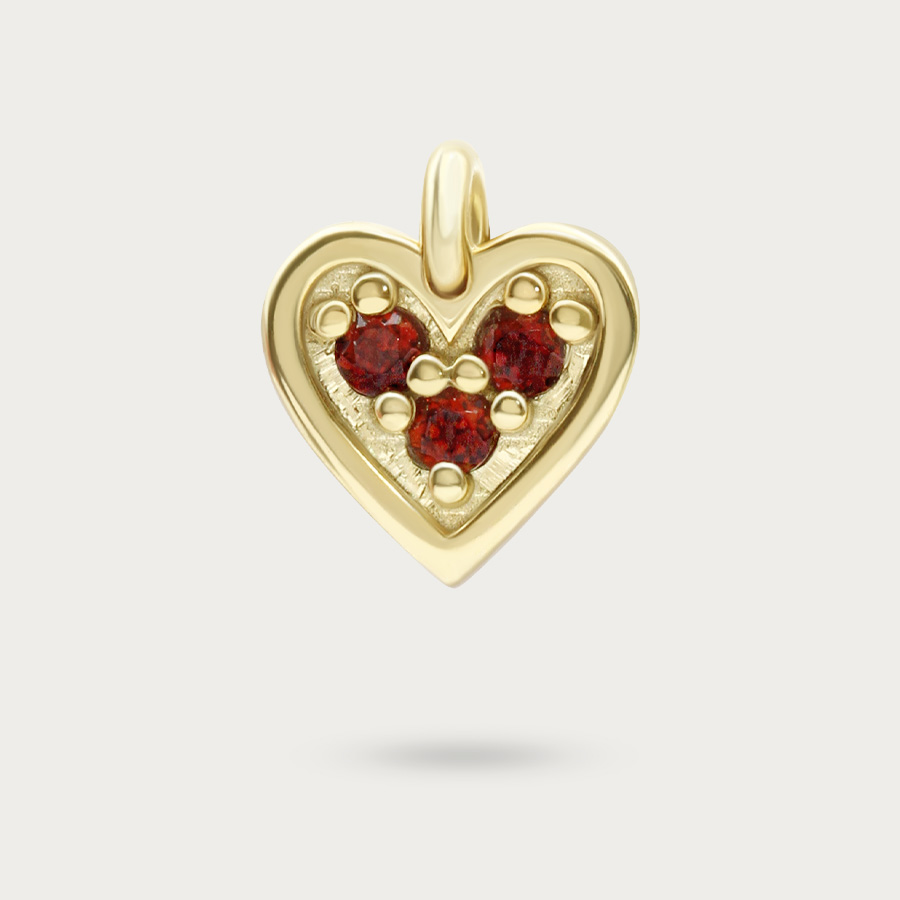
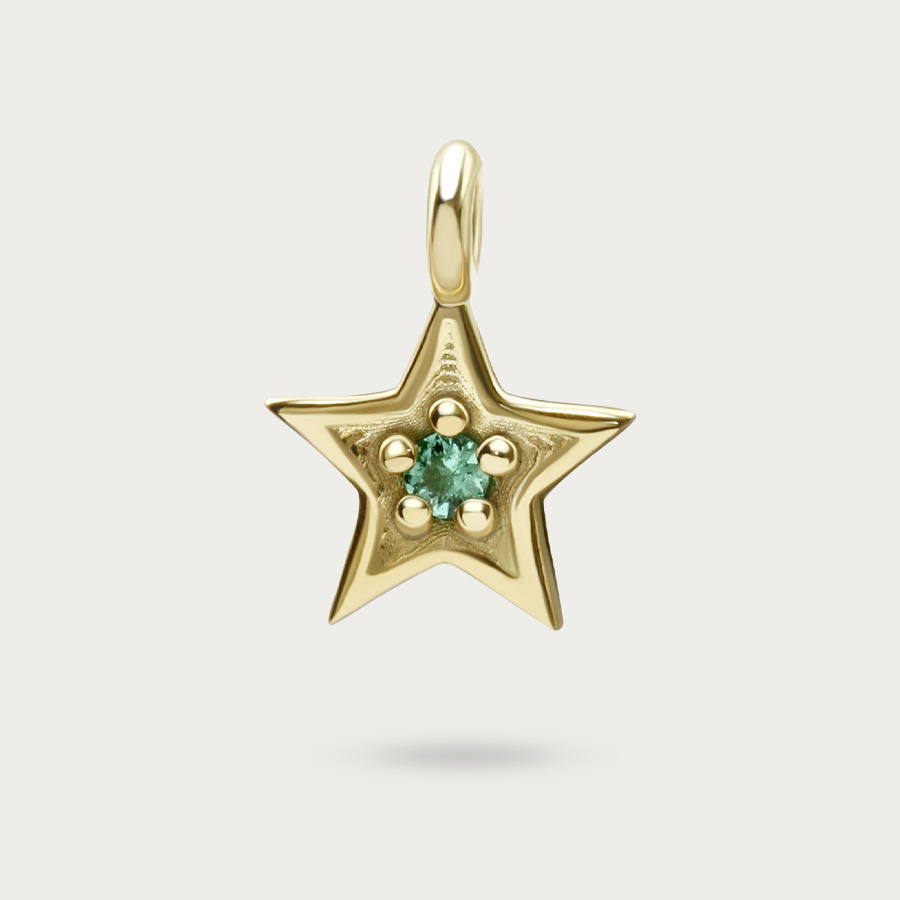
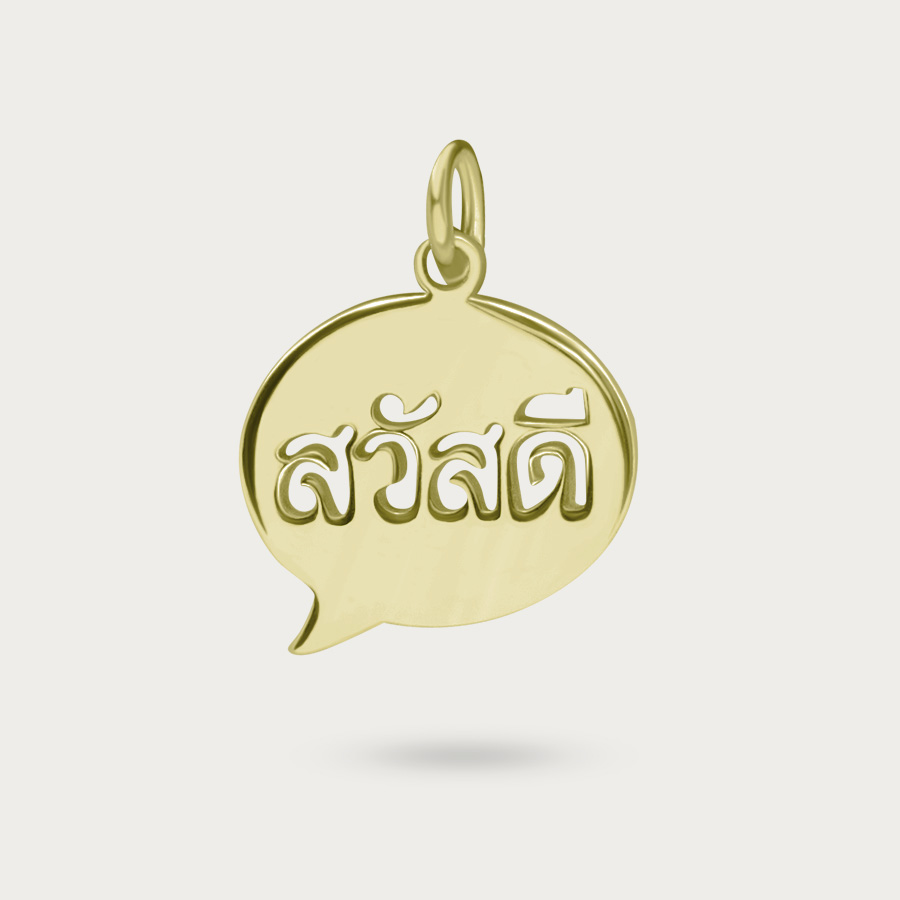
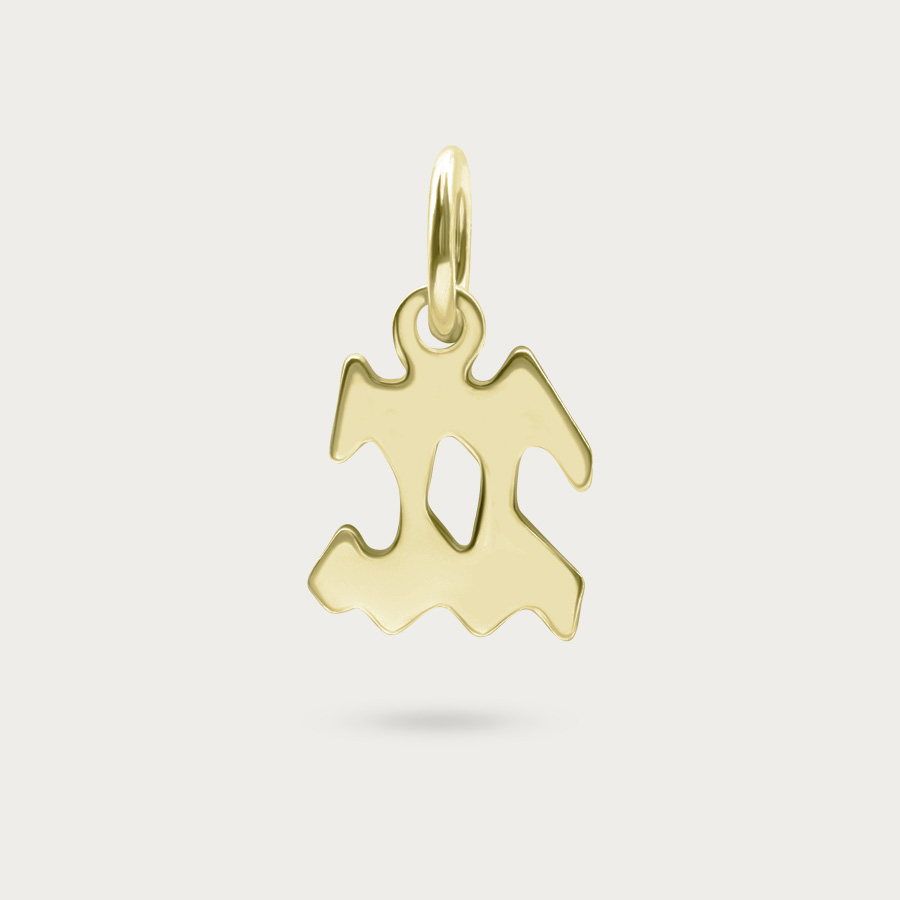
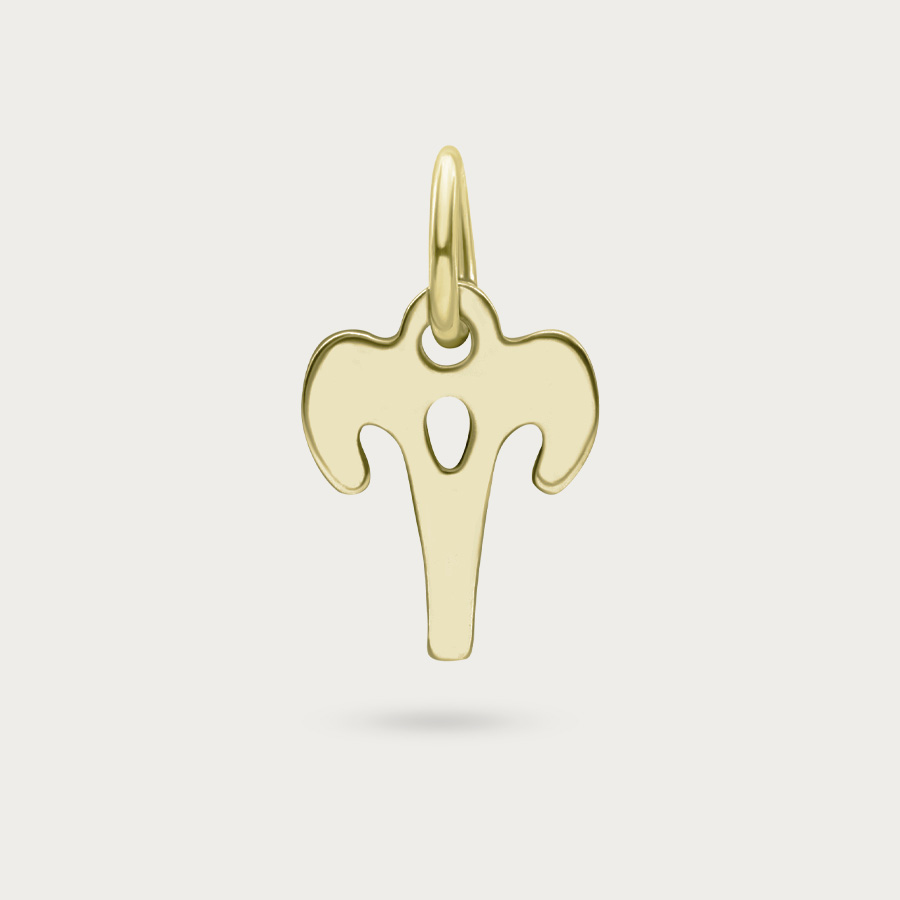
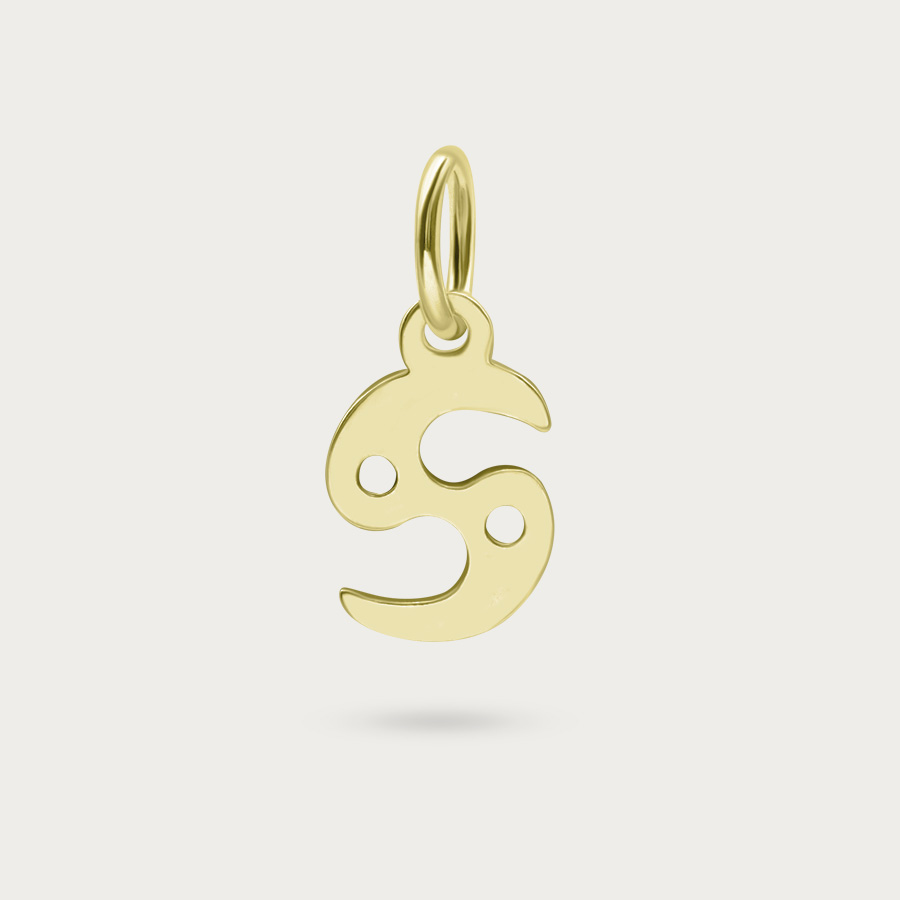
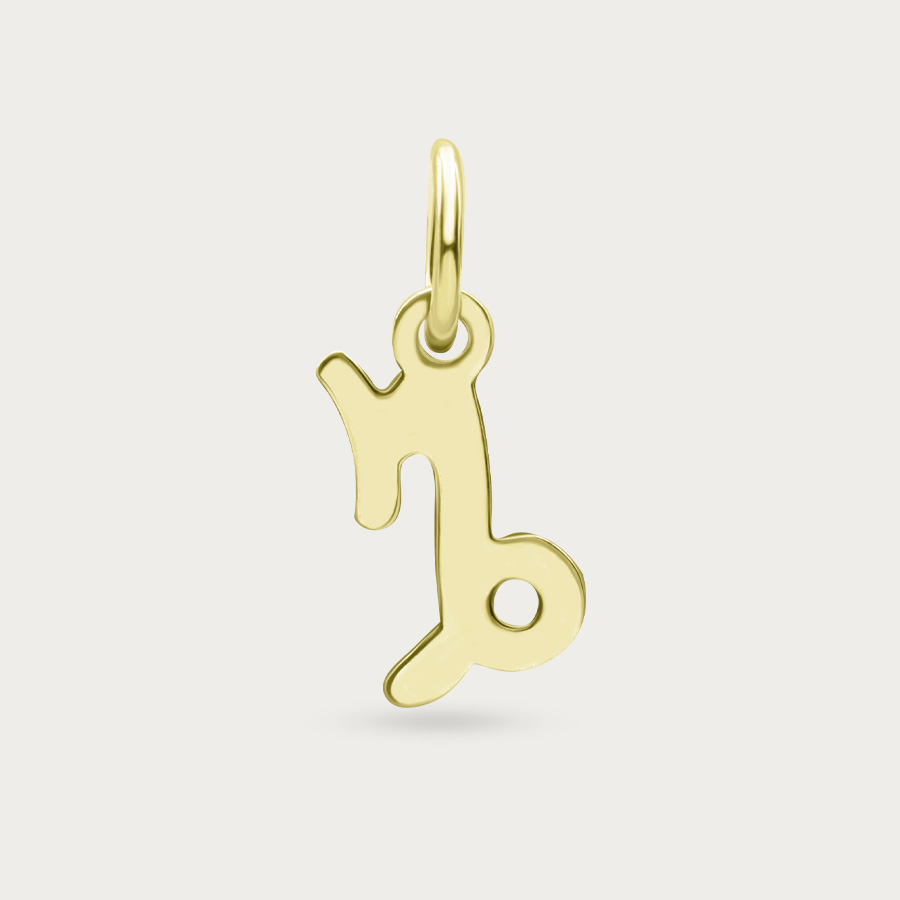
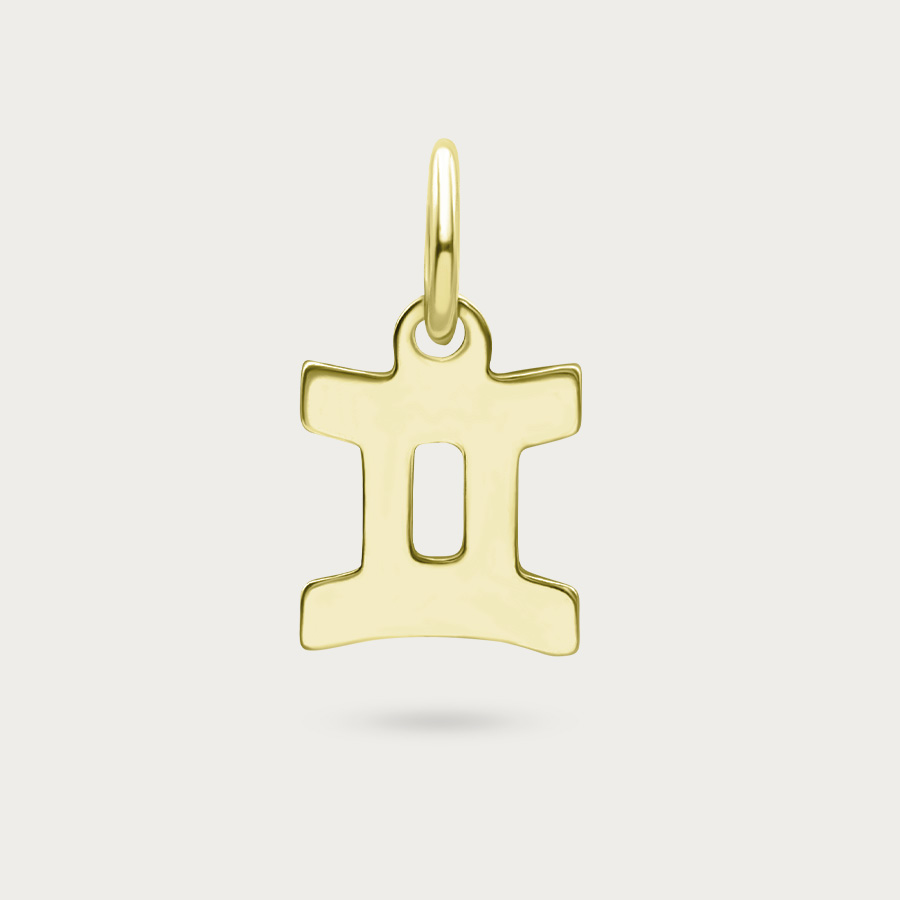
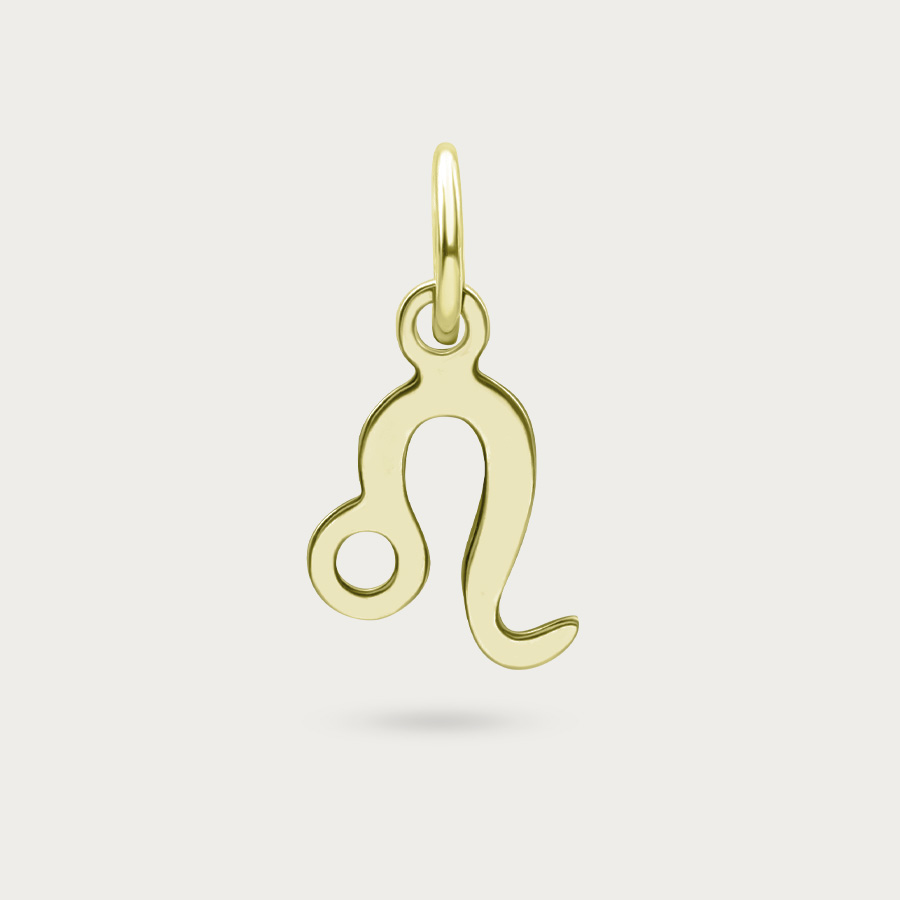
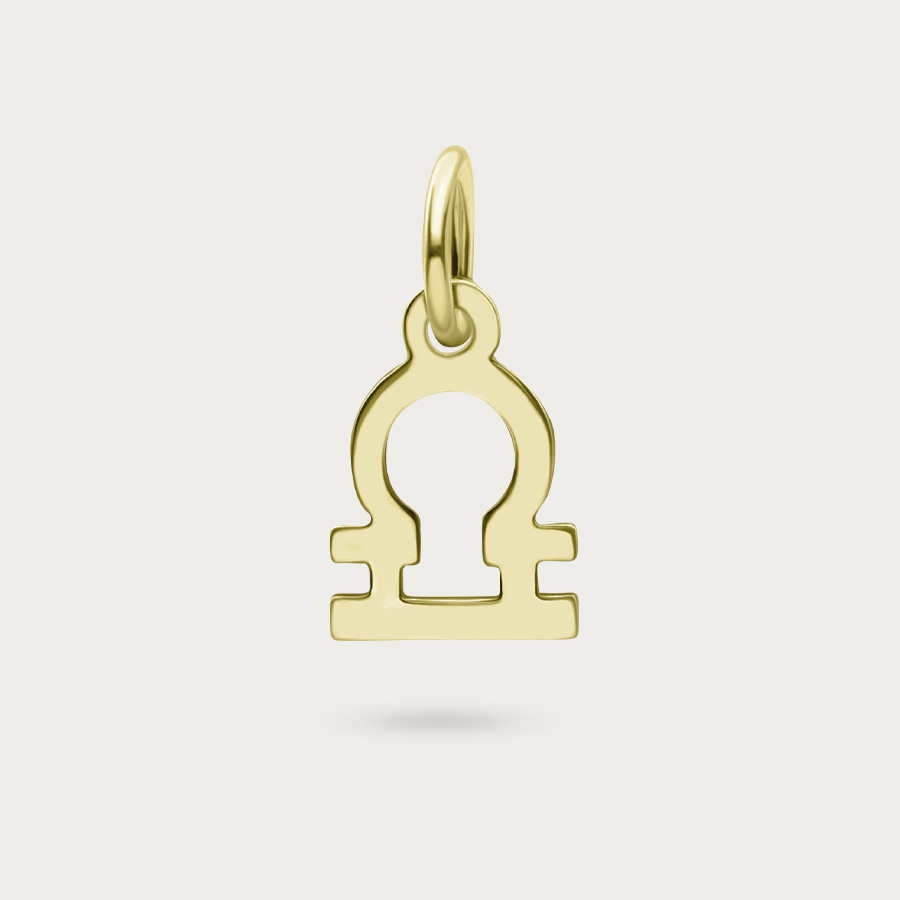
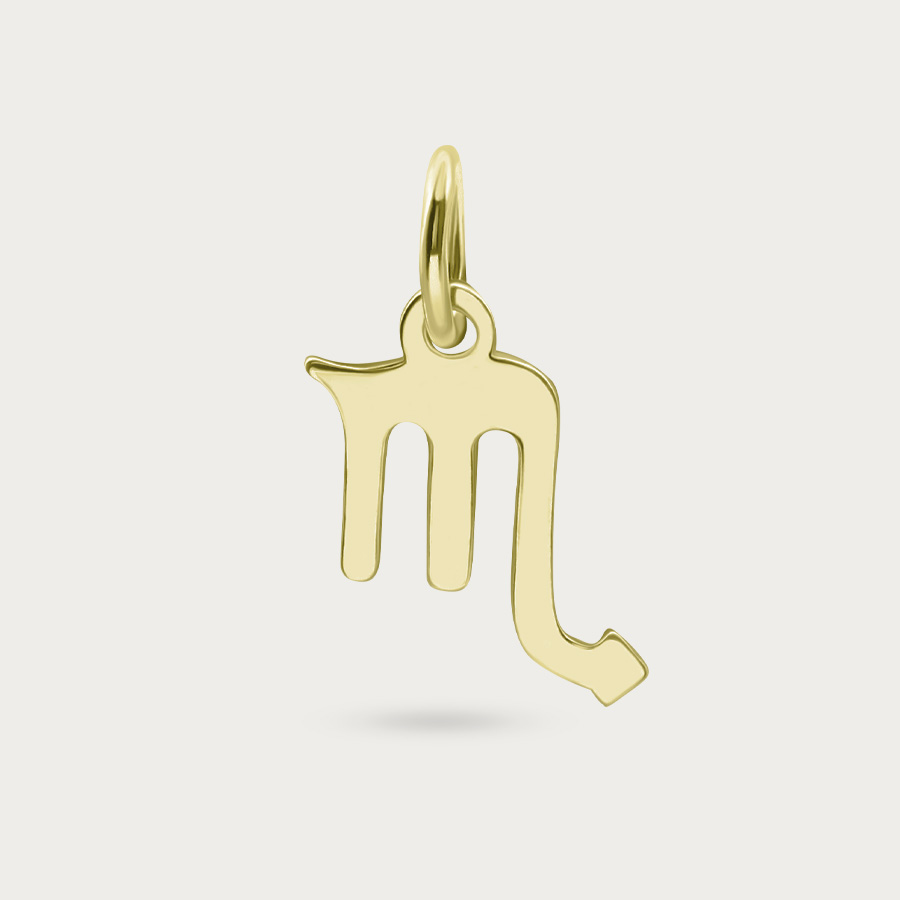
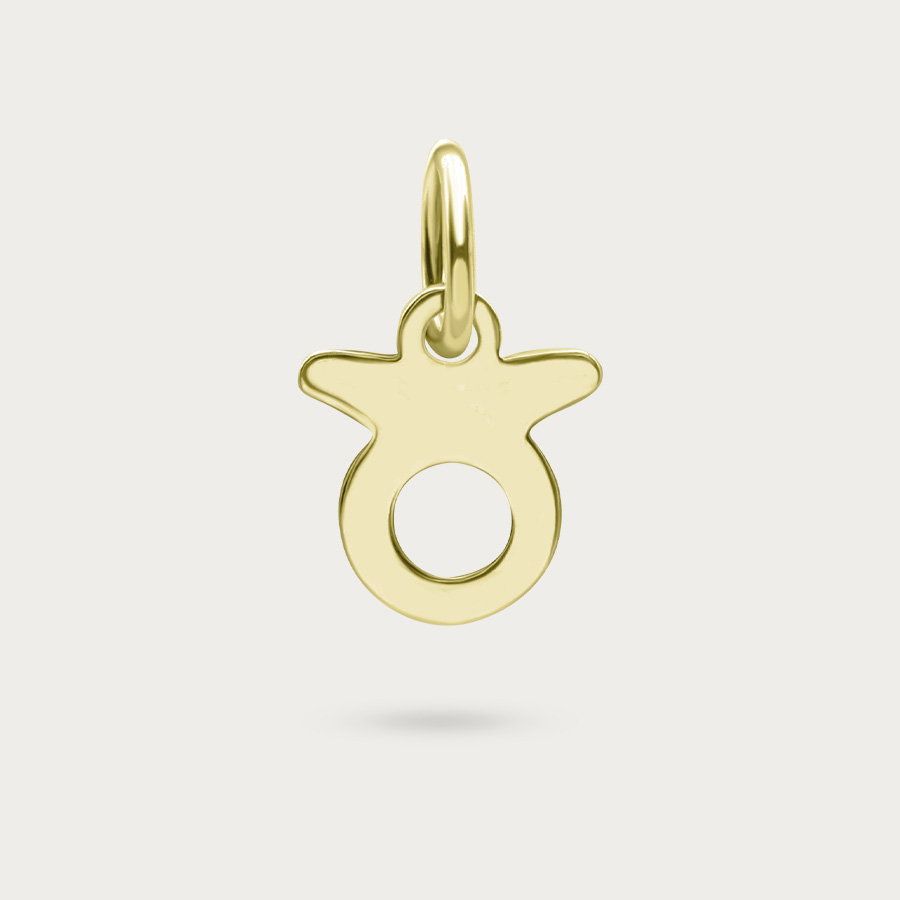
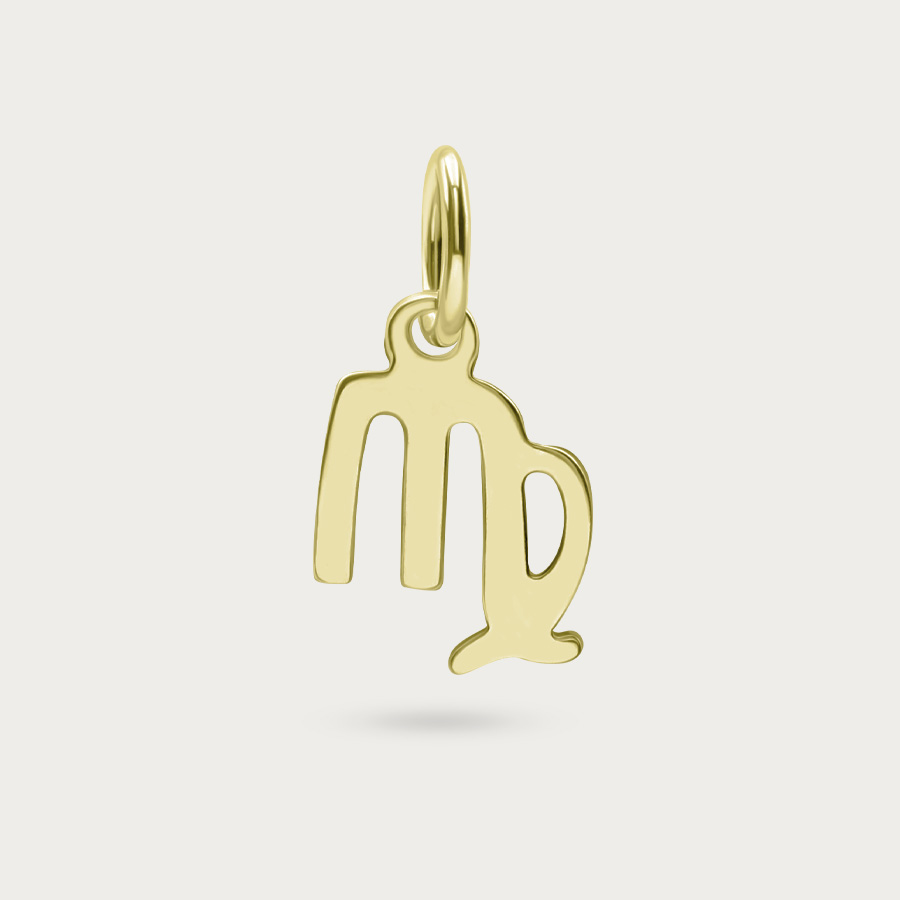
Zodiac signs, initials and letters, hearts and spiritual symbols, travel and city icons, animals, birth flowers, evil eye and hamsa, and numbers and dates. Charms are rarely bought once. A customer buys one, then returns for a second when something happens in their life, which makes this the category with the strongest repeat purchase in a jewelry range and the one most worth carrying deep rather than wide.
How the charm attaches
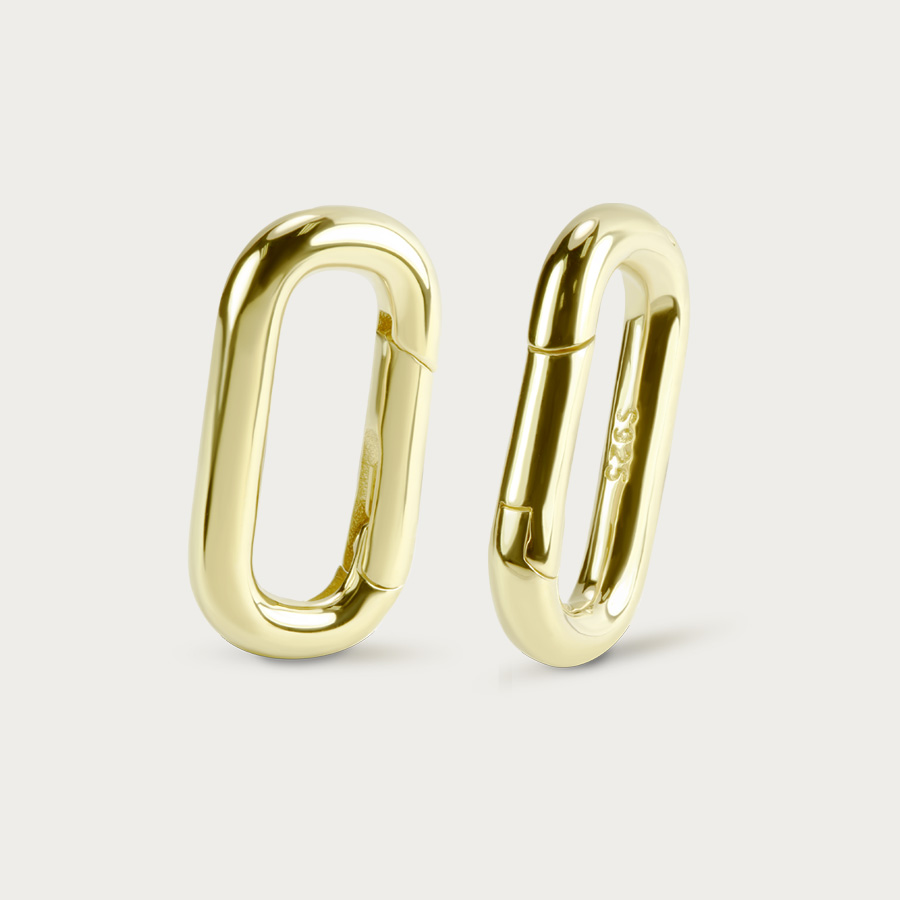
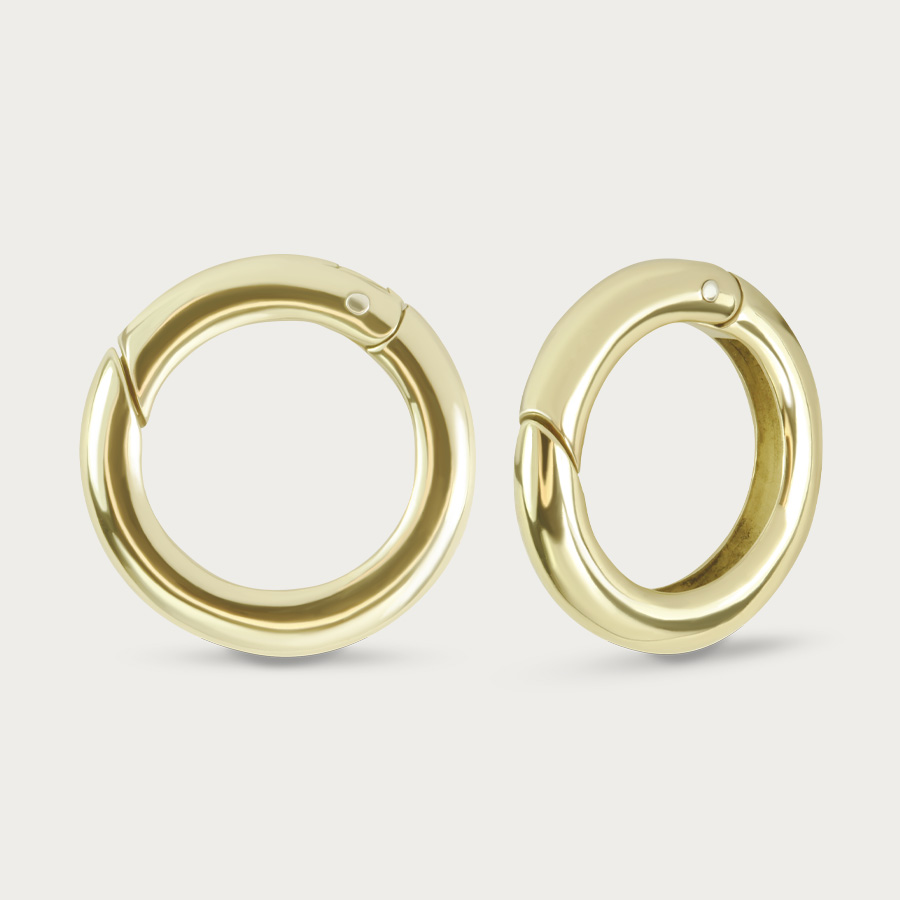
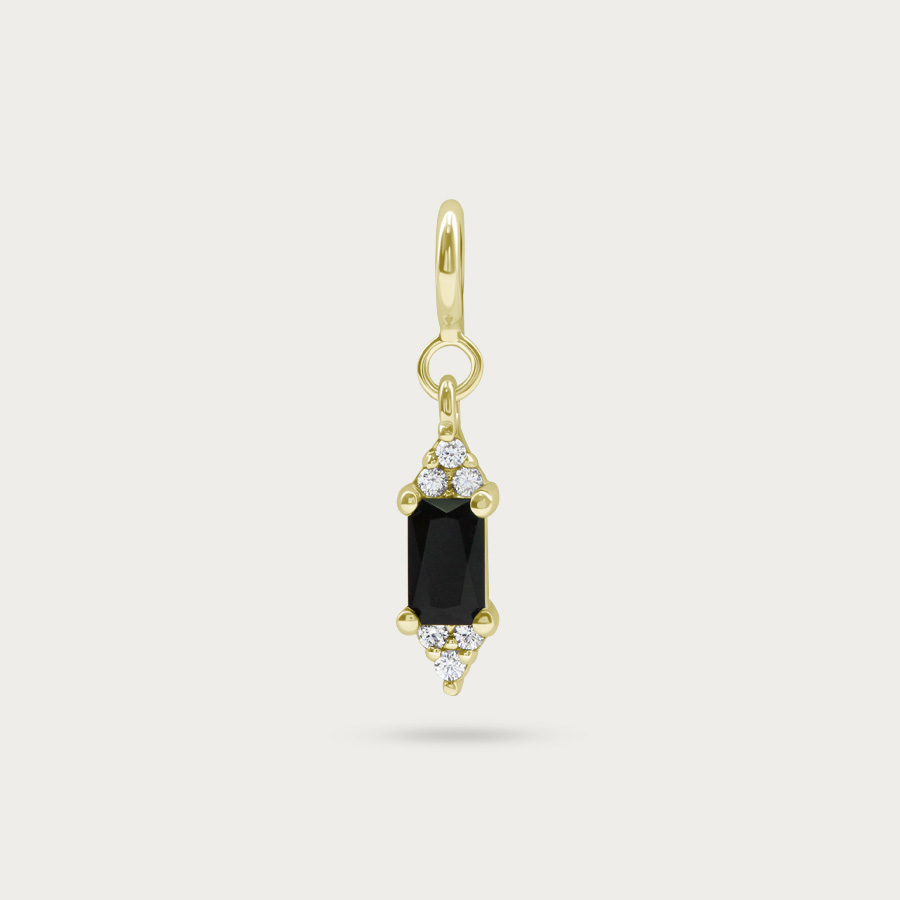
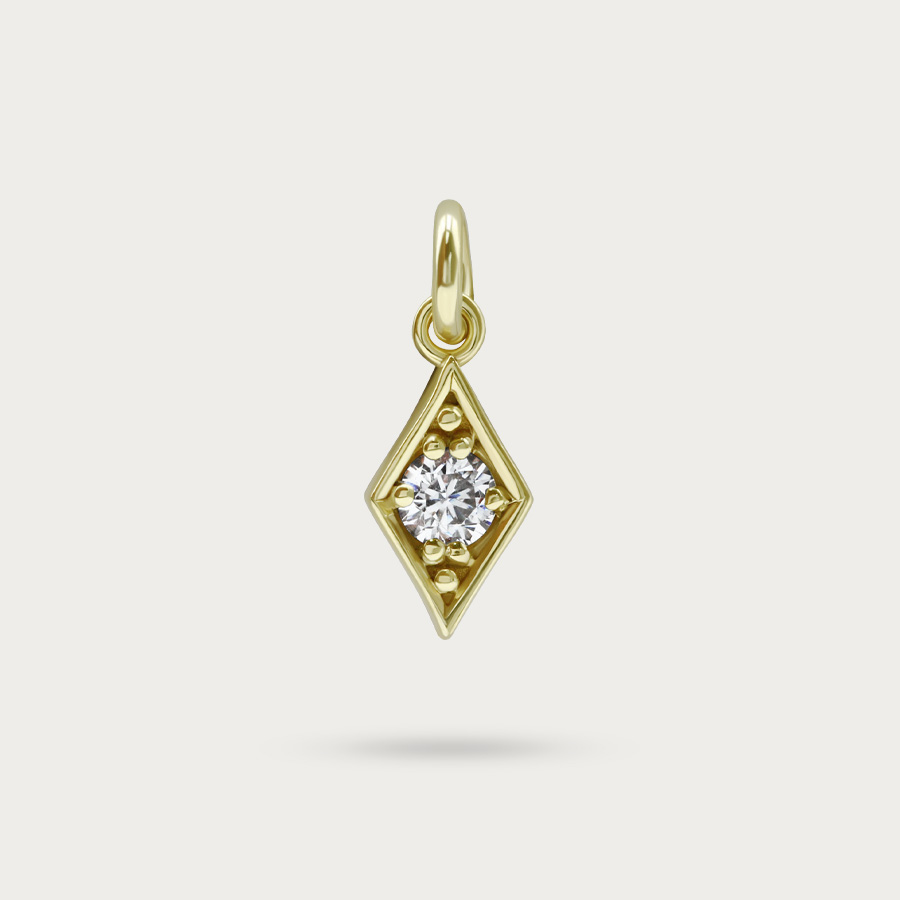
The fitting decides whether a charm is an impulse buy or a project. Spring rings and lobster clasps let a customer add and remove pieces themselves, which is what drives the repeat purchase. A fixed jump ring is cheaper and more secure but means a trip to a jeweller. Bails suit charms meant to hang from a chain as a pendant, and screw-fittings suit bracelet systems where the charm threads onto the carrier.
Decide the fitting before the design, not after. Retro-fitting a clasp to a charm drawn for a jump ring usually means redrawing the piece.
Solid, hollow and enamel
Solid gold charms feel substantial and price accordingly. Hollow construction gives a larger charm at an accessible weight, which matters when a customer intends to hang eight of them from one bracelet. Hard enamel in your own colours is available and is what makes a charm range look designed rather than sourced; soft enamel costs less and shows wear sooner on a piece that knocks against others.
Engraving and personalisation
Laser or hand engraving on the back of any flat charm, for initials, dates or a short message. On an initial or date charm this is what moves the sale from a gift to a keepsake, and it is a small addition to the unit cost.
What to send us
A sketch on paper is enough to start. So is a photograph of something similar with a note about what should be different. CAD files are better still, and a physical sample is best of all. We cost it, make one sample properly, and you decide from the piece in your hand rather than a rendering. Changes at sample stage are cheap; changes after production starts are not.
Minimums and lead time
Gold and platinum can start from a single piece, depending on the value of the item, because the material carries most of the cost. Everything else is set per project, once we know the metal, the method and the stones, because those three things decide whether a short run is sensible or wasteful. Silver wants more volume, since the setup is the same but the material is cheap.
From first enquiry to a box on your desk is usually six to ten weeks, of which three to five weeks is production. Most of the rest is sampling and your own decisions, which is the part you control. If you have a date you need stock by, say so in the first email and we will tell you honestly whether it is possible.