



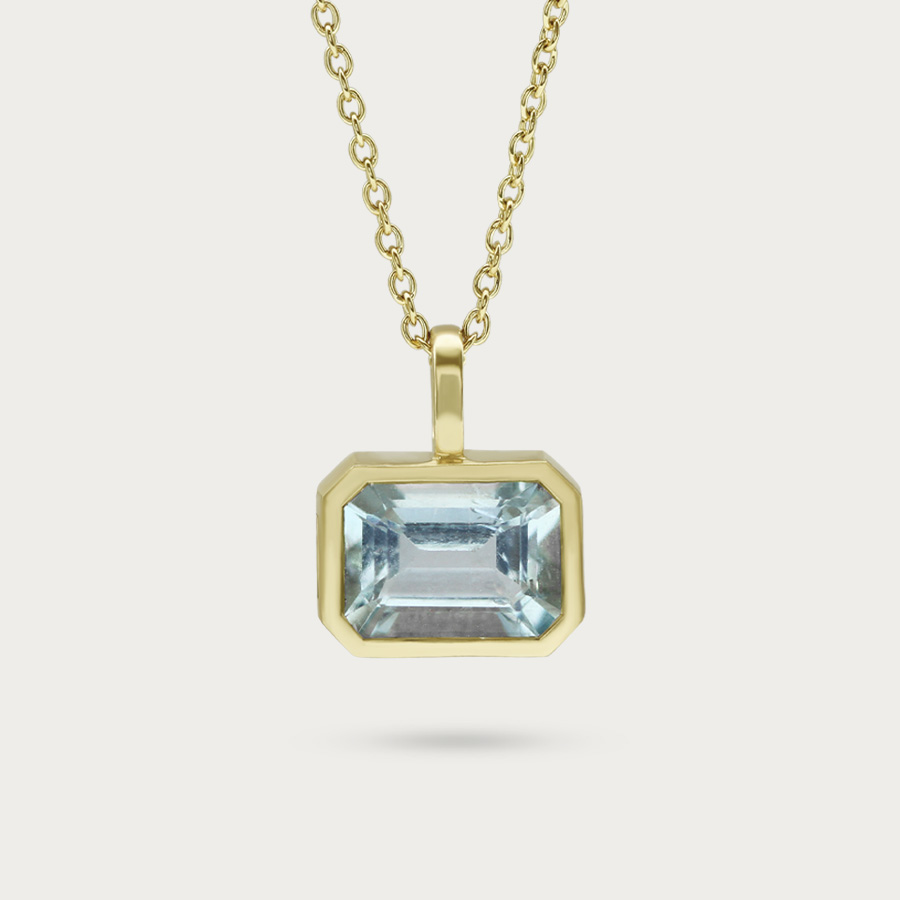
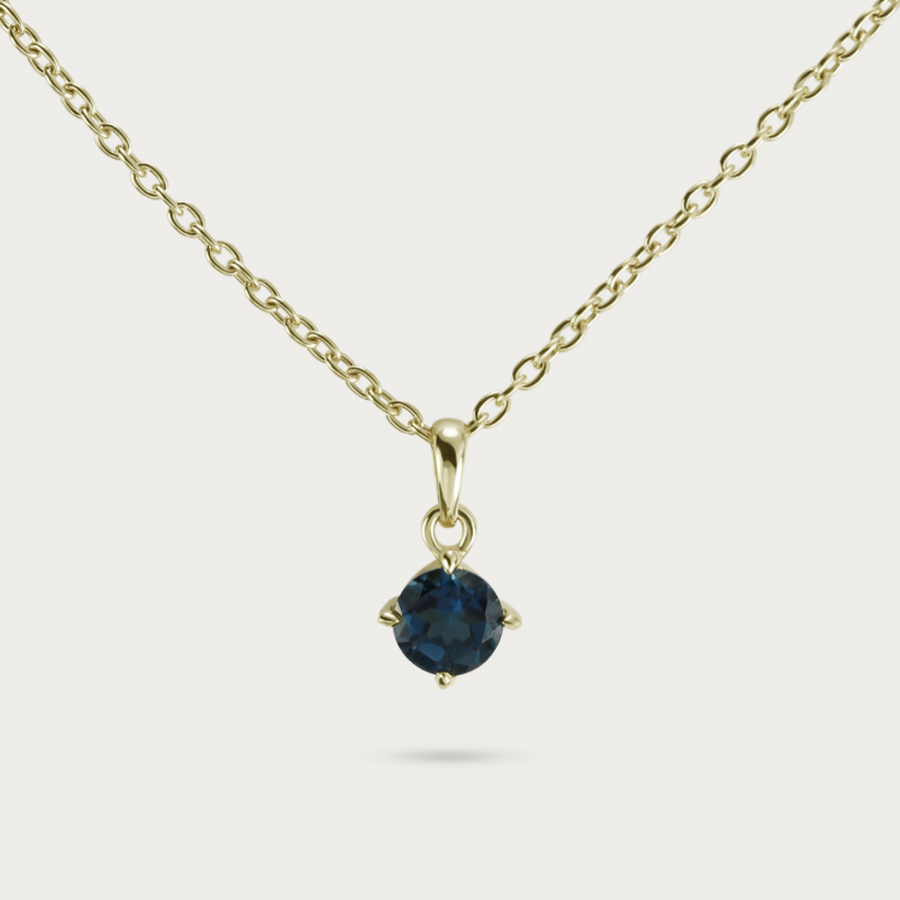
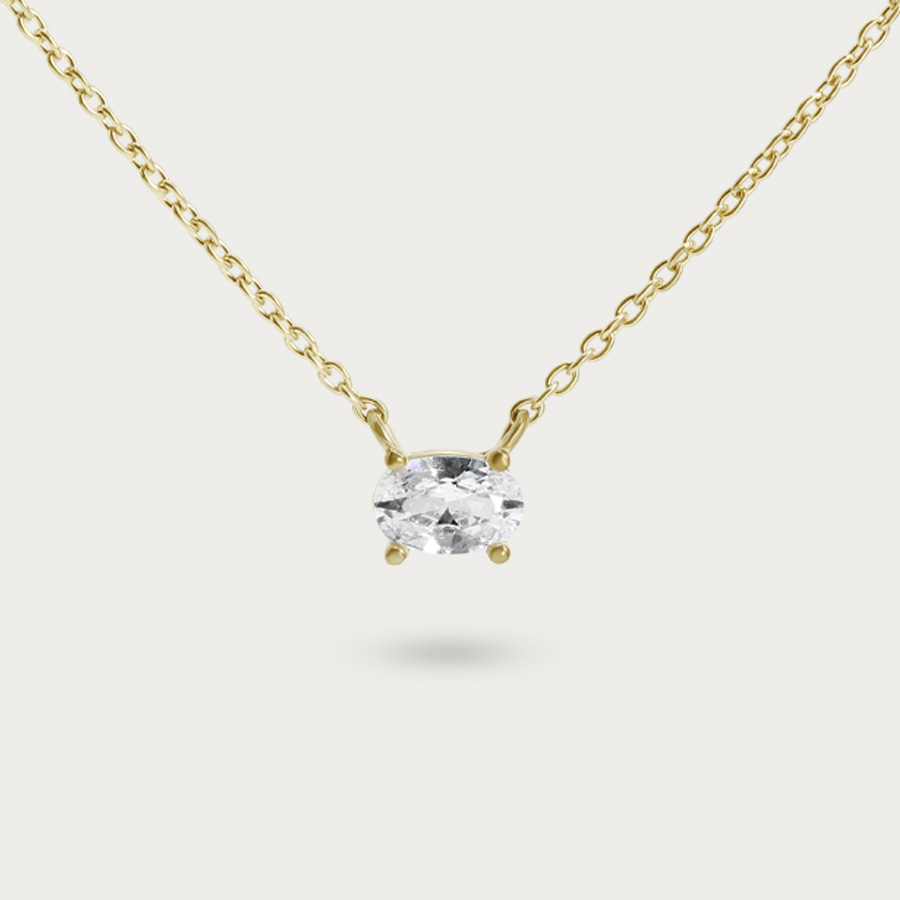
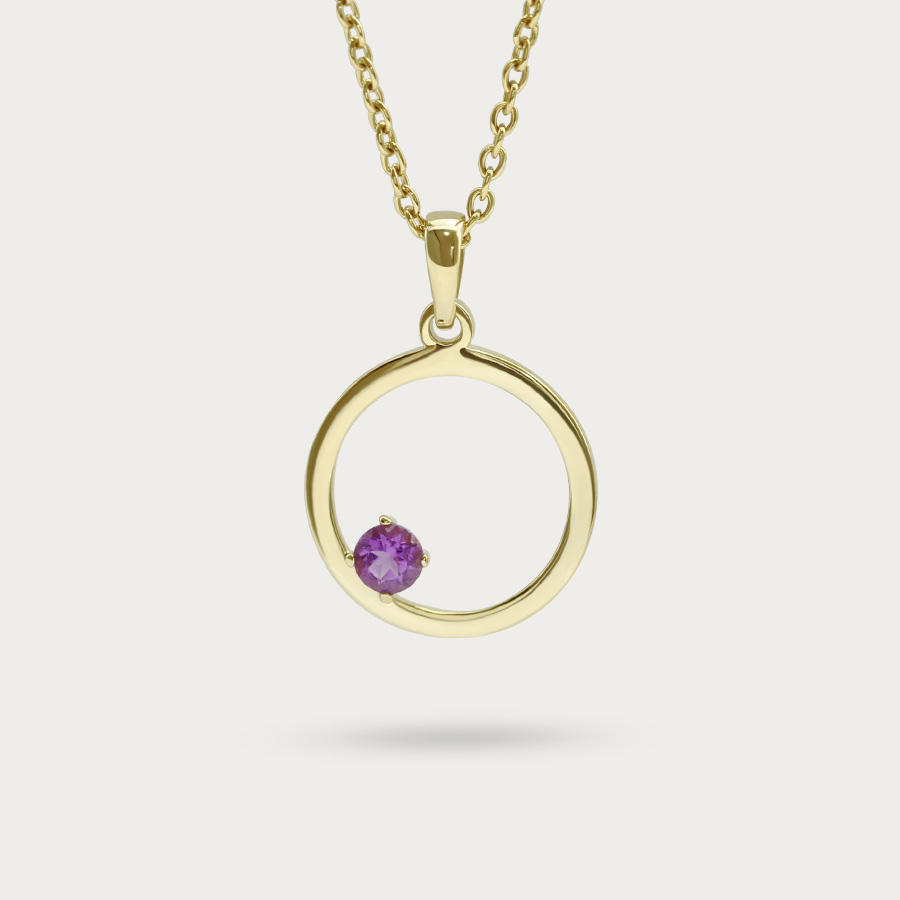




Chain styles we make
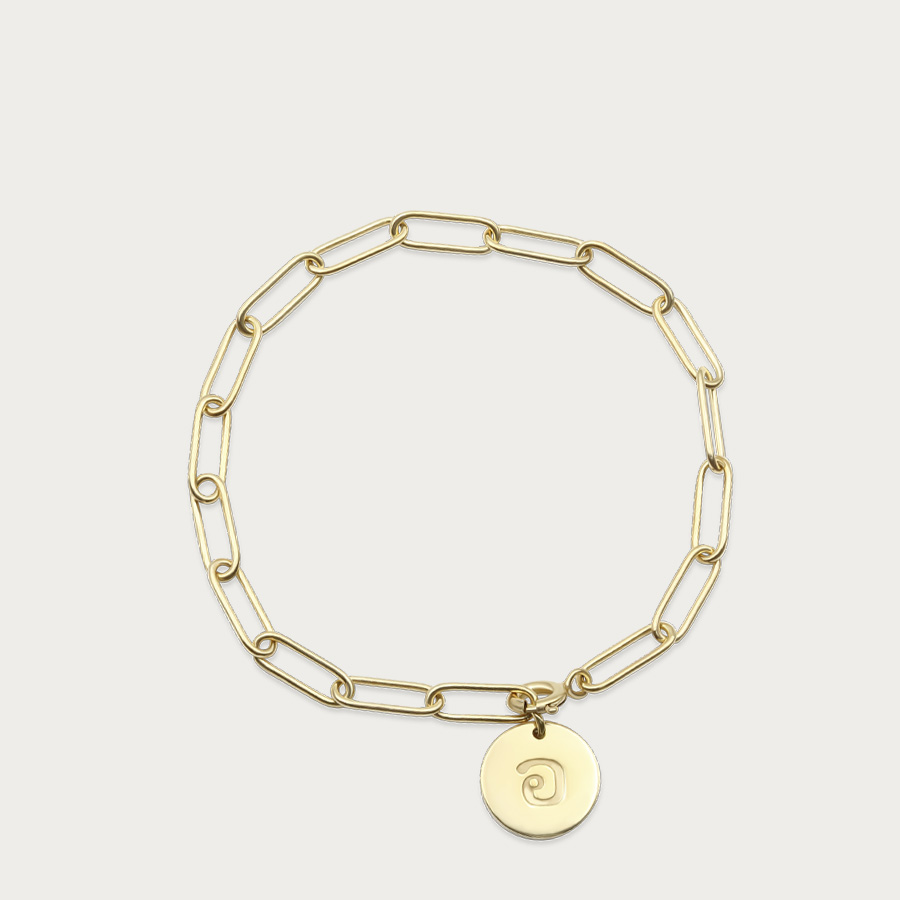
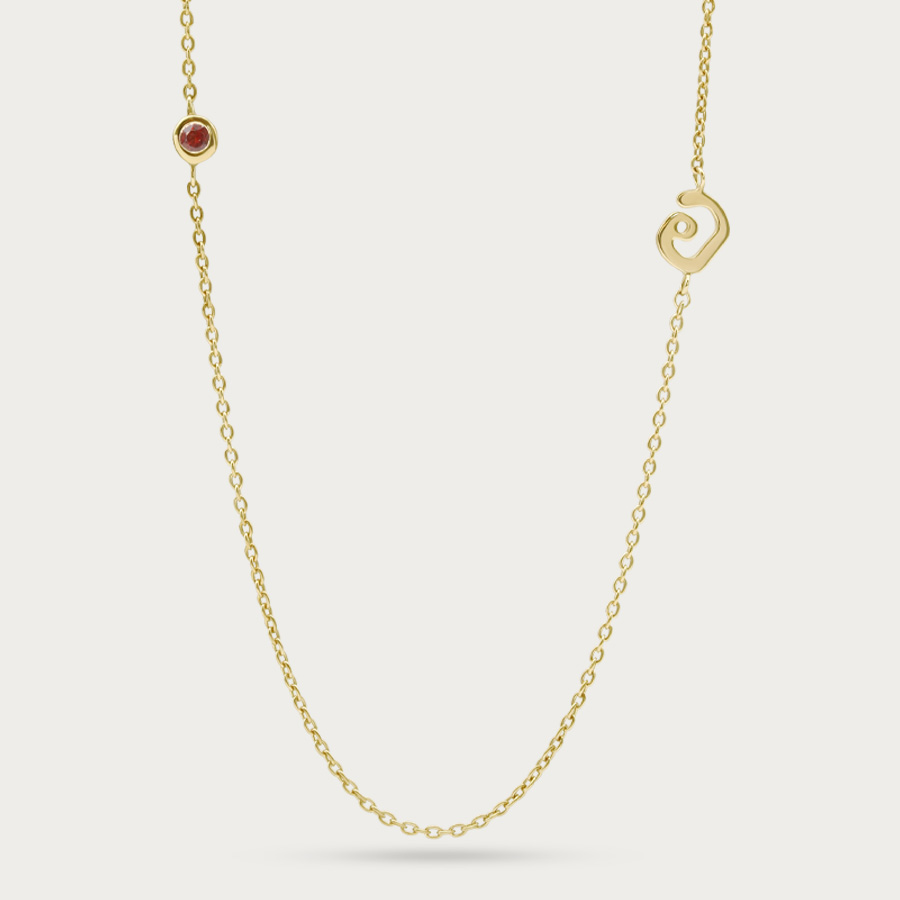
Cable, curb and flat curb, Figaro, rope, box, snake, herringbone, Singapore, wheat and paperclip. Each behaves differently on the neck and in a display case, and the two do not always agree: herringbone lies beautifully flat and photographs superbly, but it kinks permanently if a customer sleeps in it, so it is a piece to sell with a care card rather than a piece to sell to teenagers.
Paperclip and flat curb have carried the market for several seasons and remain the safest volume bet. Rope and box are the reliable everyday sellers underneath the trend, and they are what customers replace rather than what they buy on impulse.
Lengths, gauges and clasps
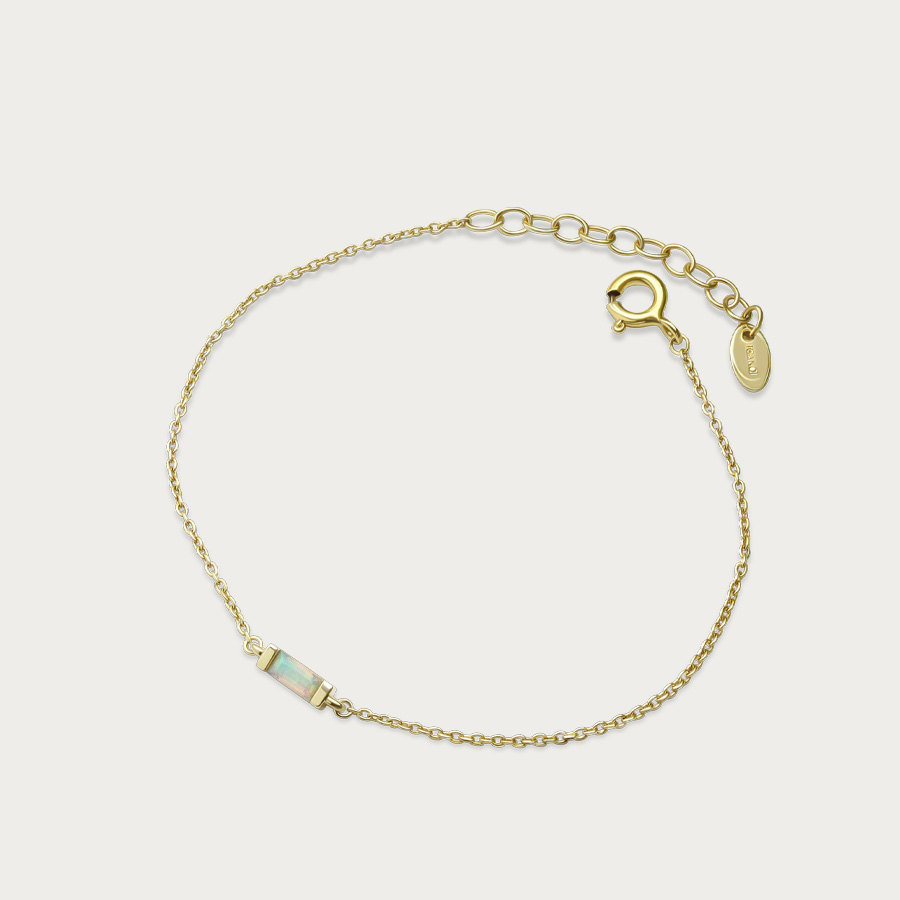
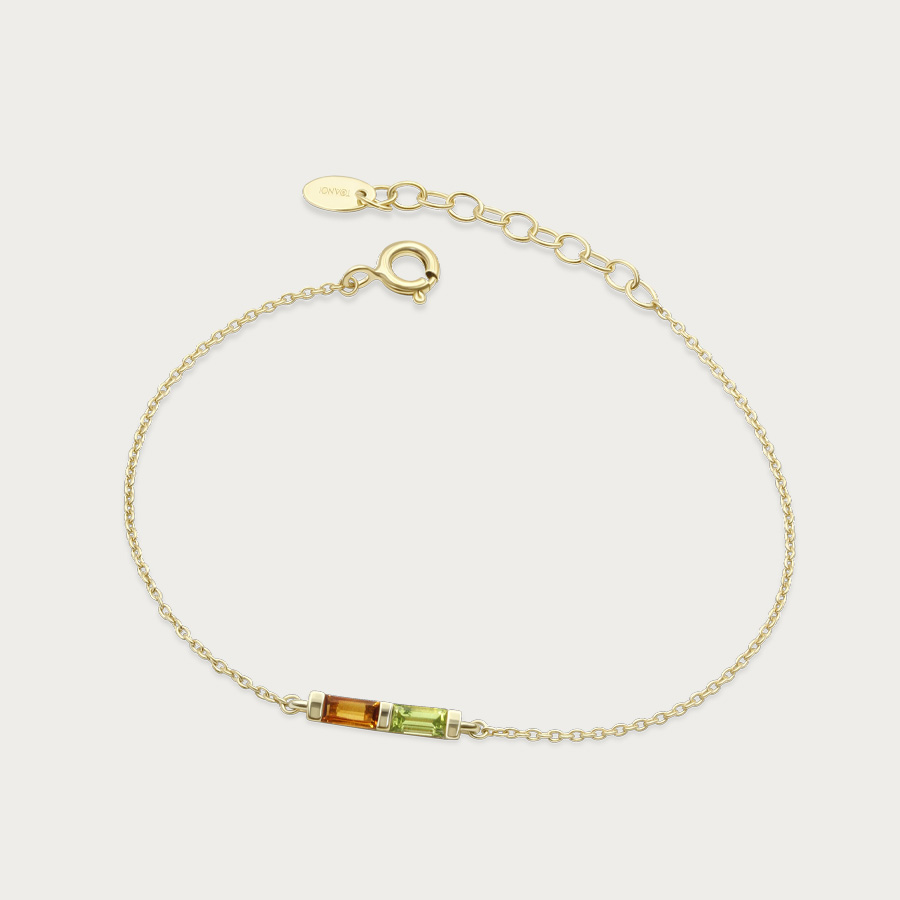
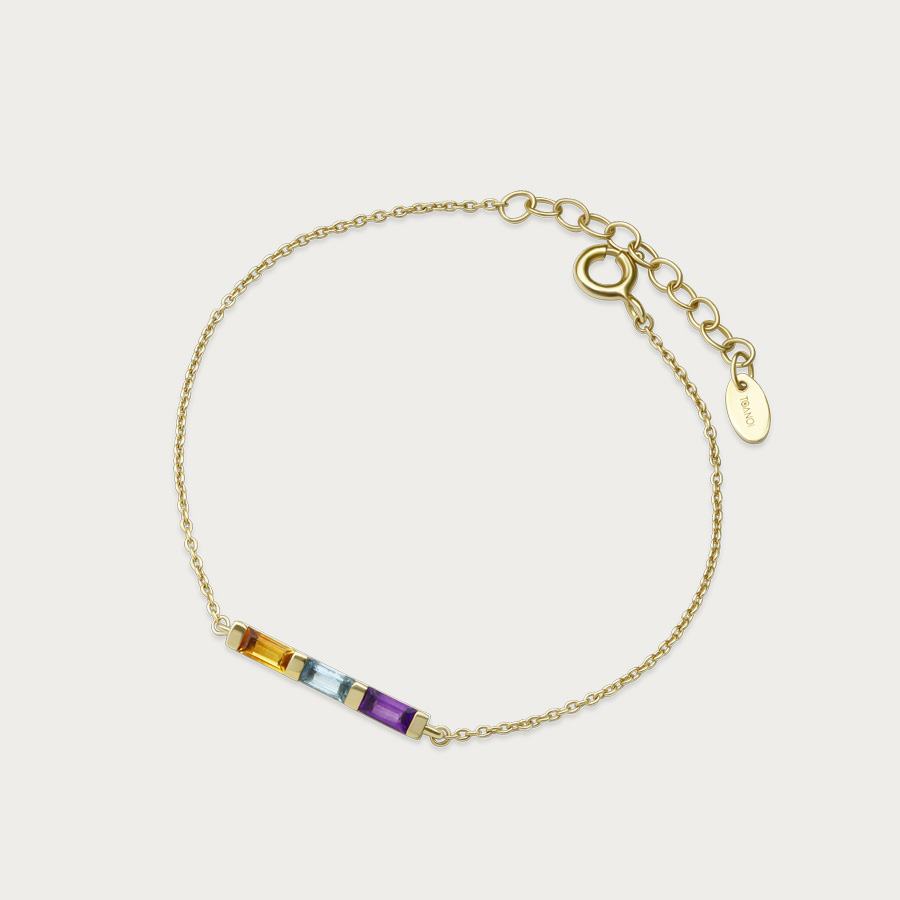
Standard lengths are 16, 18, 20, 22 and 24 inches, with 14 inch chokers and 30 inch and longer to order. An adjustable extender of two or three inches costs very little and reduces returns noticeably, because it lets one length fit two customers.
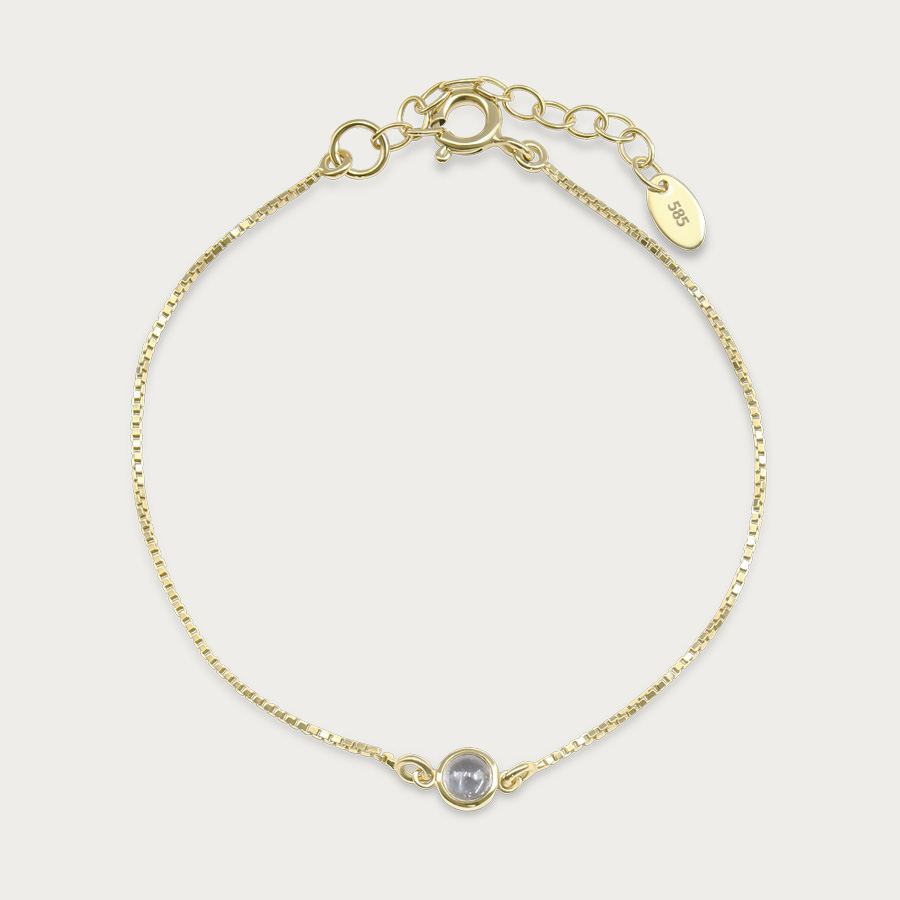
Clasps run from spring rings on lighter chains to lobster clasps as standard, and box clasps or magnetic closures on heavier pieces. Match the clasp to the chain weight: a spring ring on a heavy curb chain is the joint that fails, and it fails after the warranty conversation has already started.
Hollow and solid
Hollow chain gives a much larger-looking piece for the same gold weight, which is how bold gold chains reach an accessible price. It is genuinely the right answer for statement pieces. It is the wrong answer for anything that will be worn daily and tugged, because a hollow link dents and cannot be repaired cleanly. We will tell you which side of that line your design sits on before you commit.
Name necklaces and personalised work
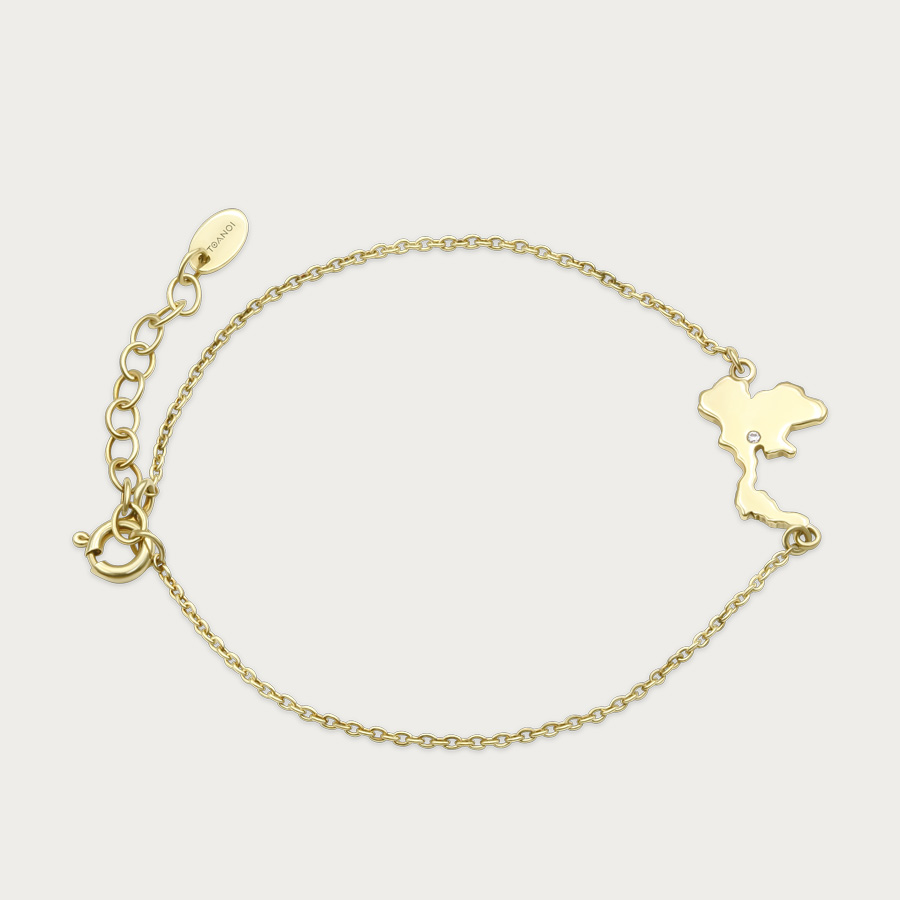
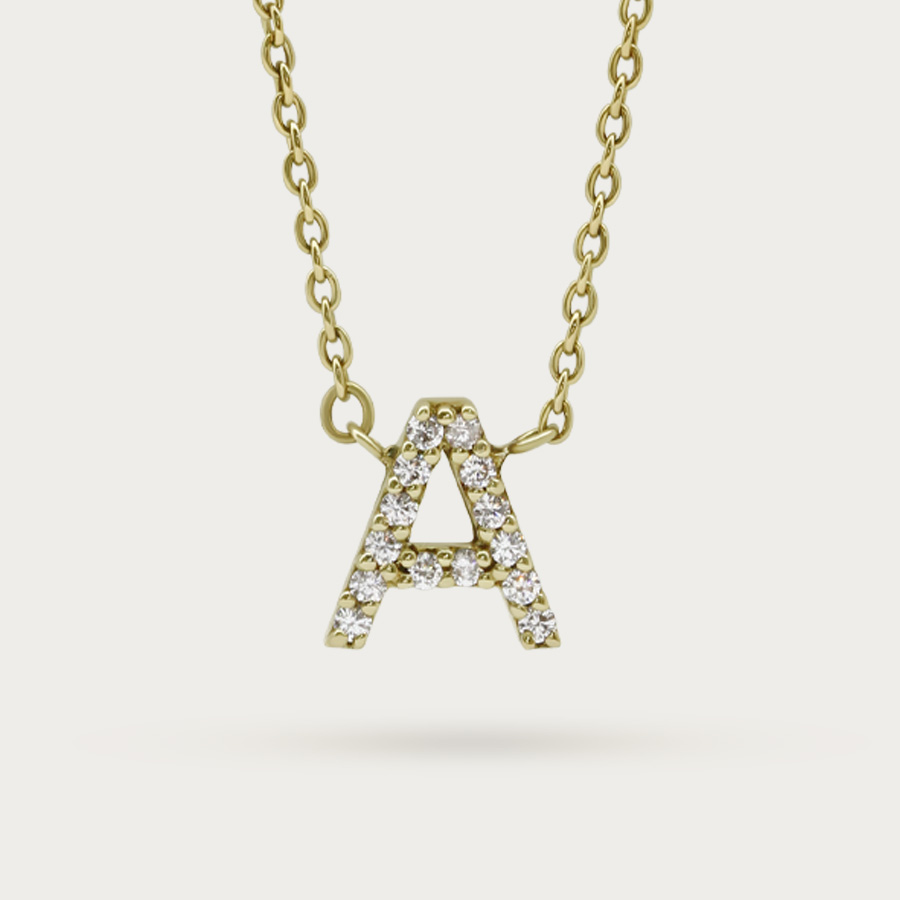
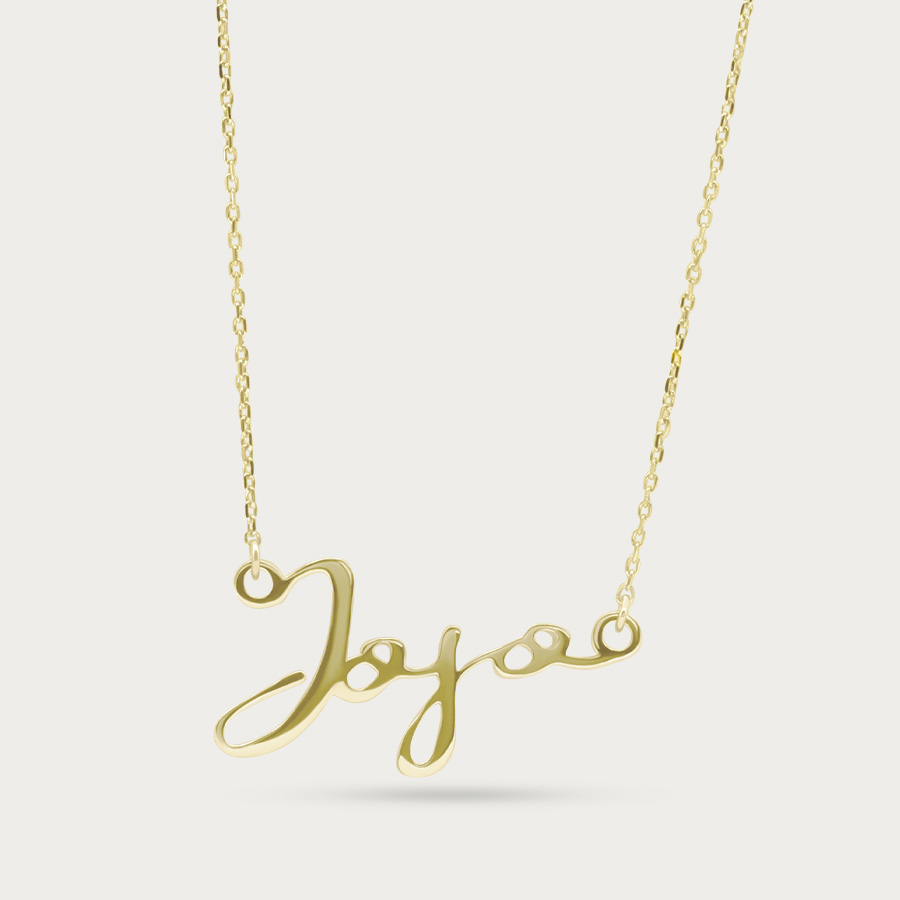
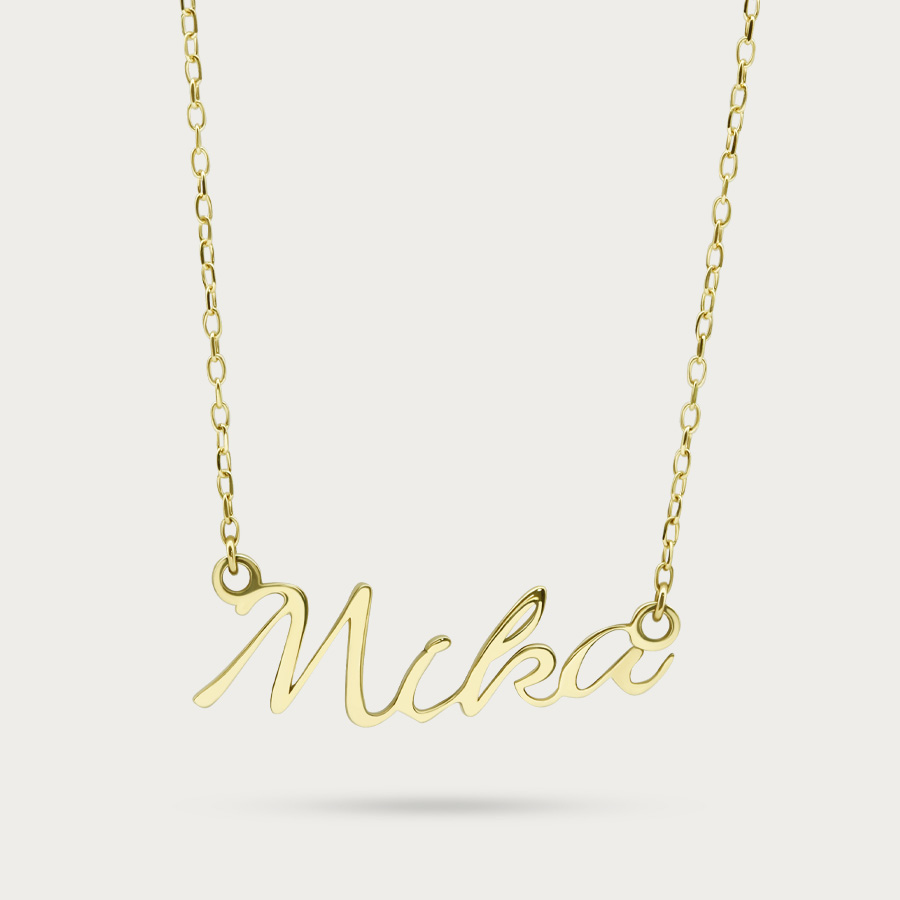
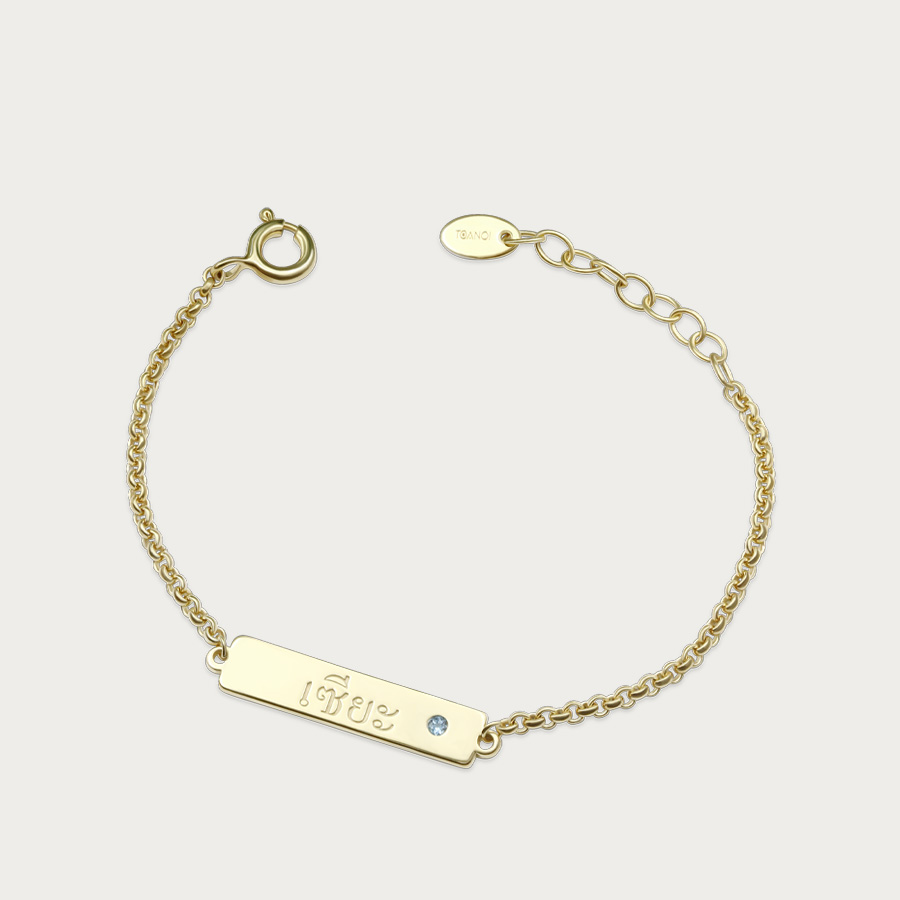
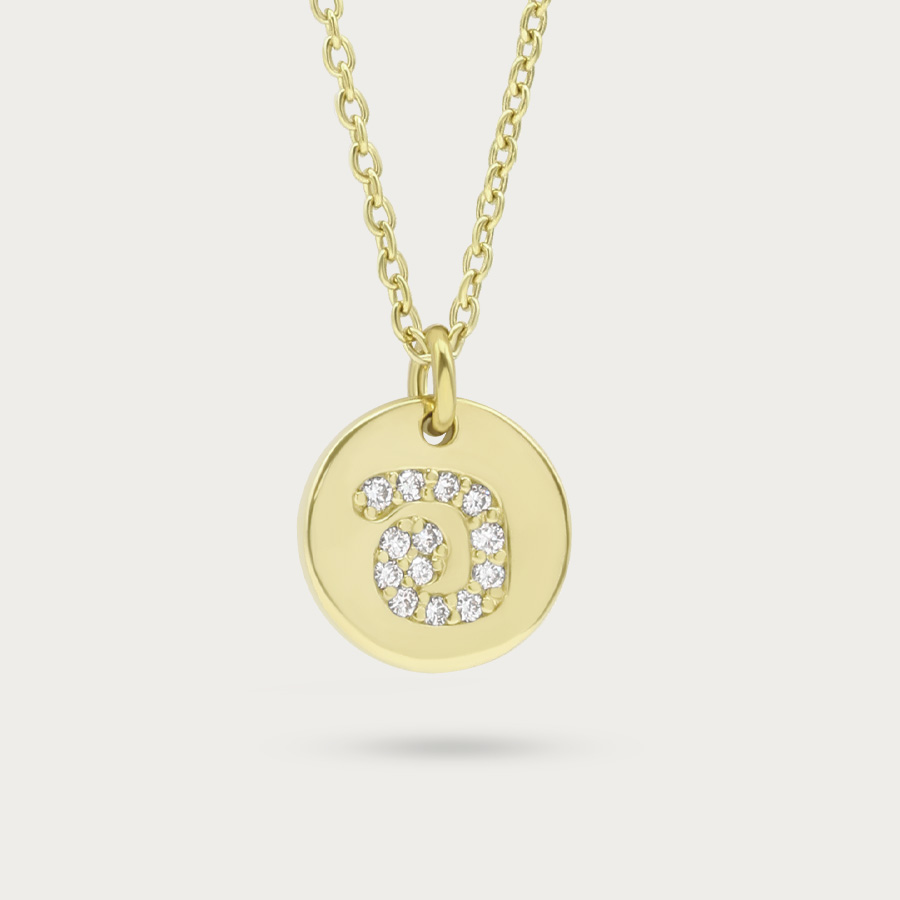
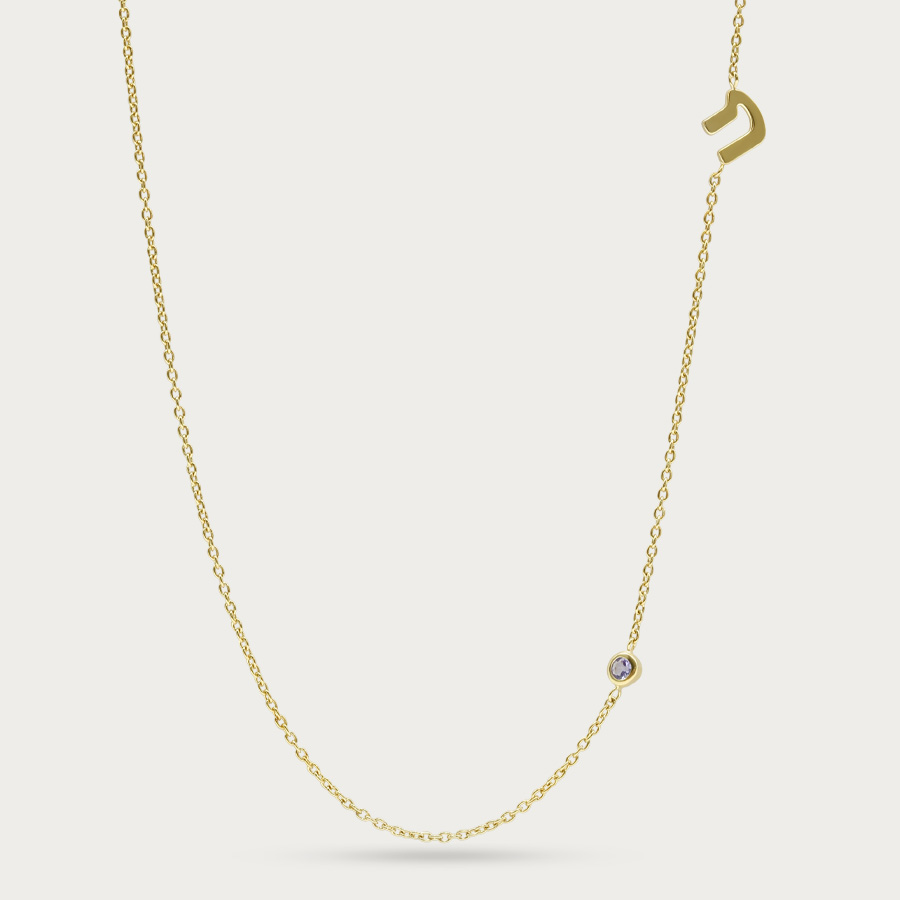
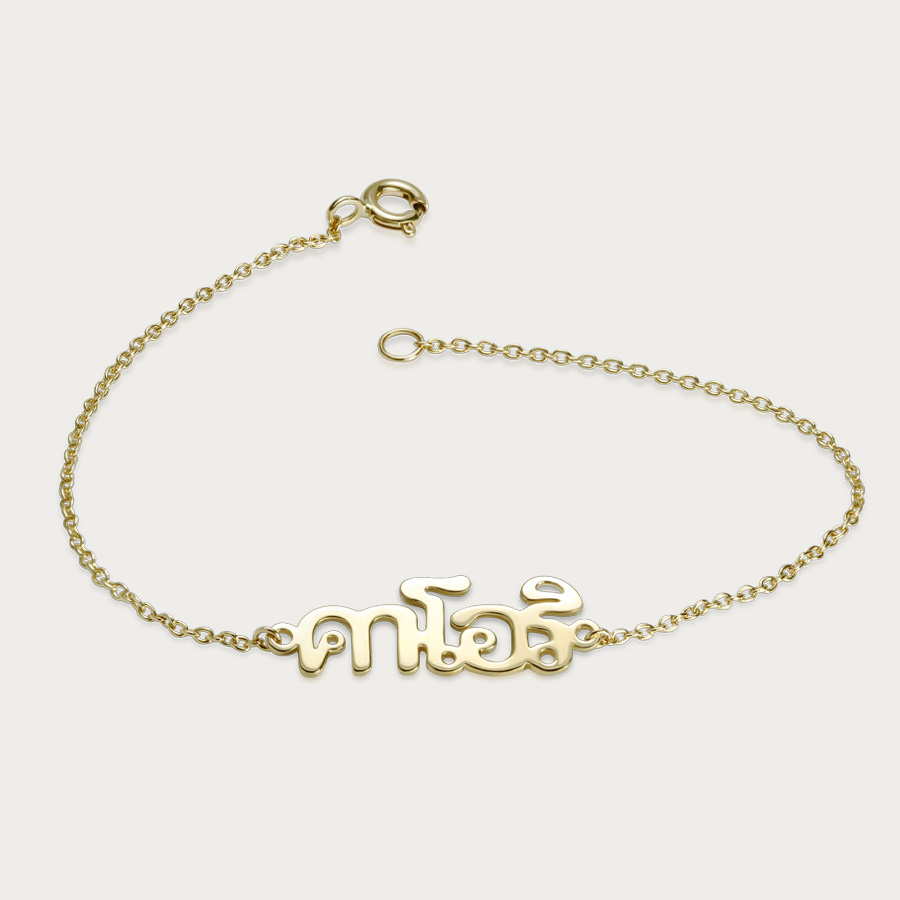
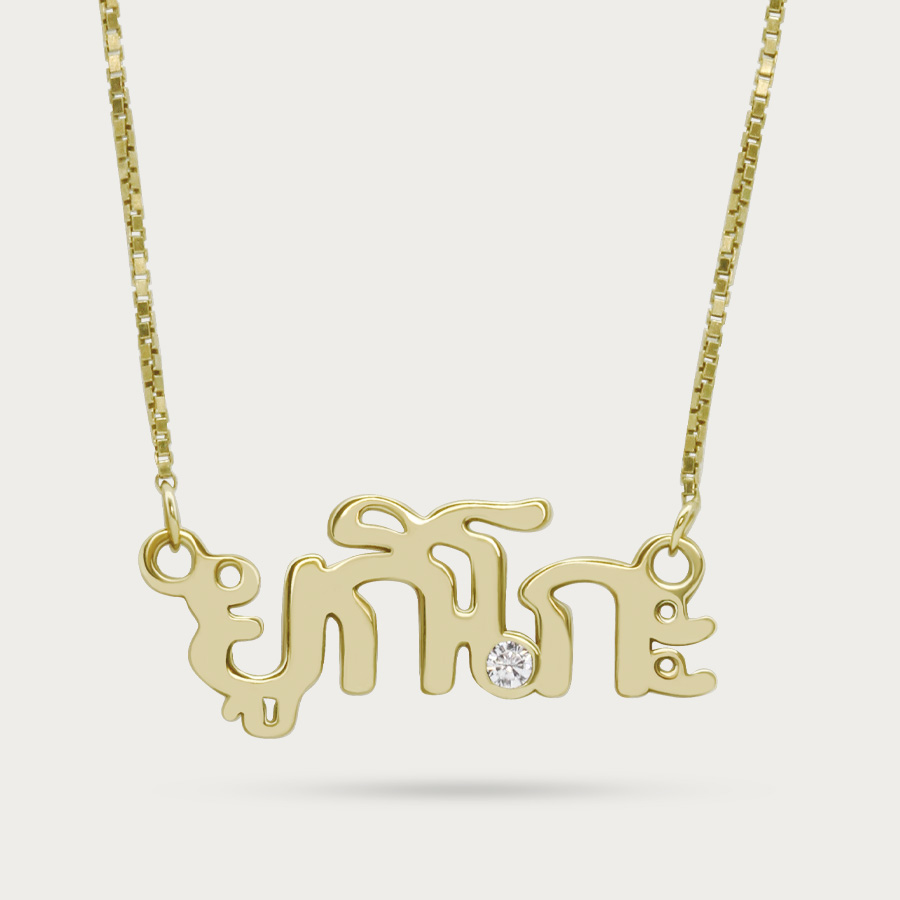
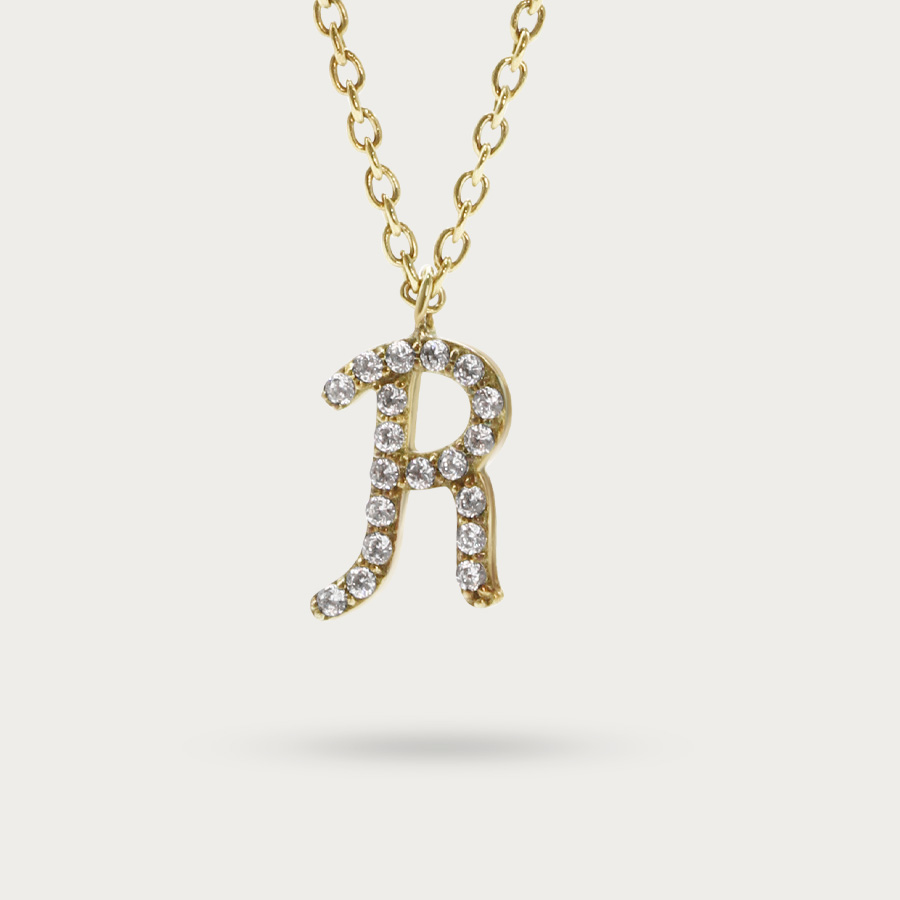
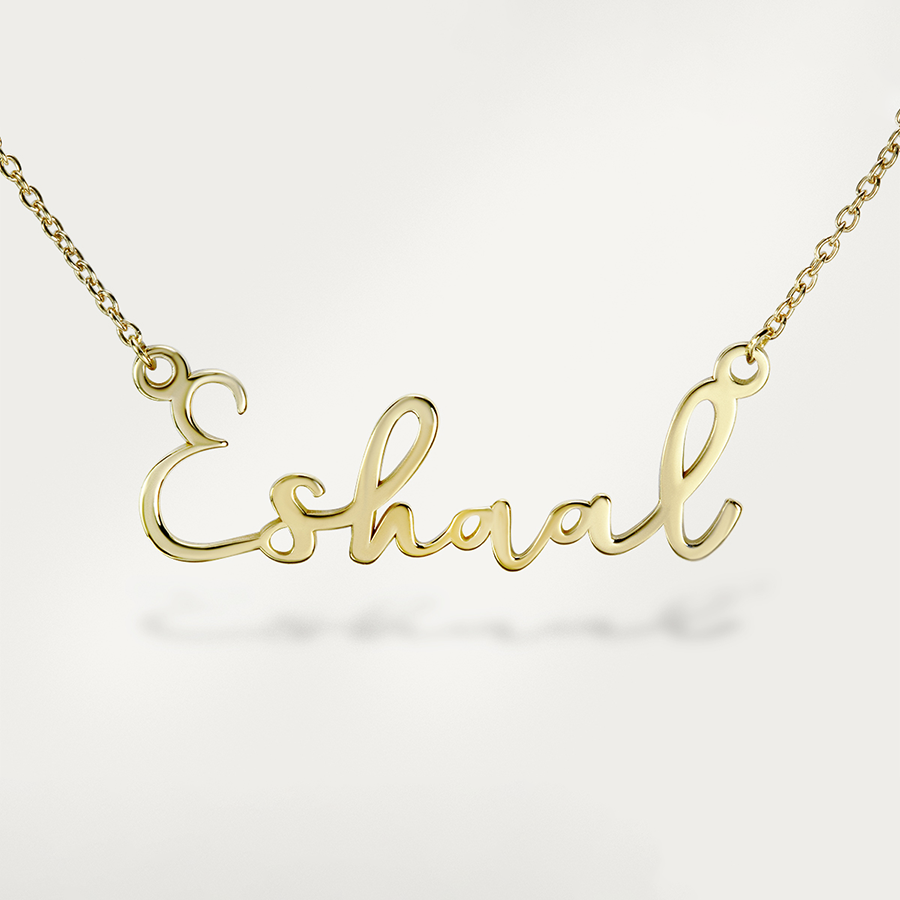
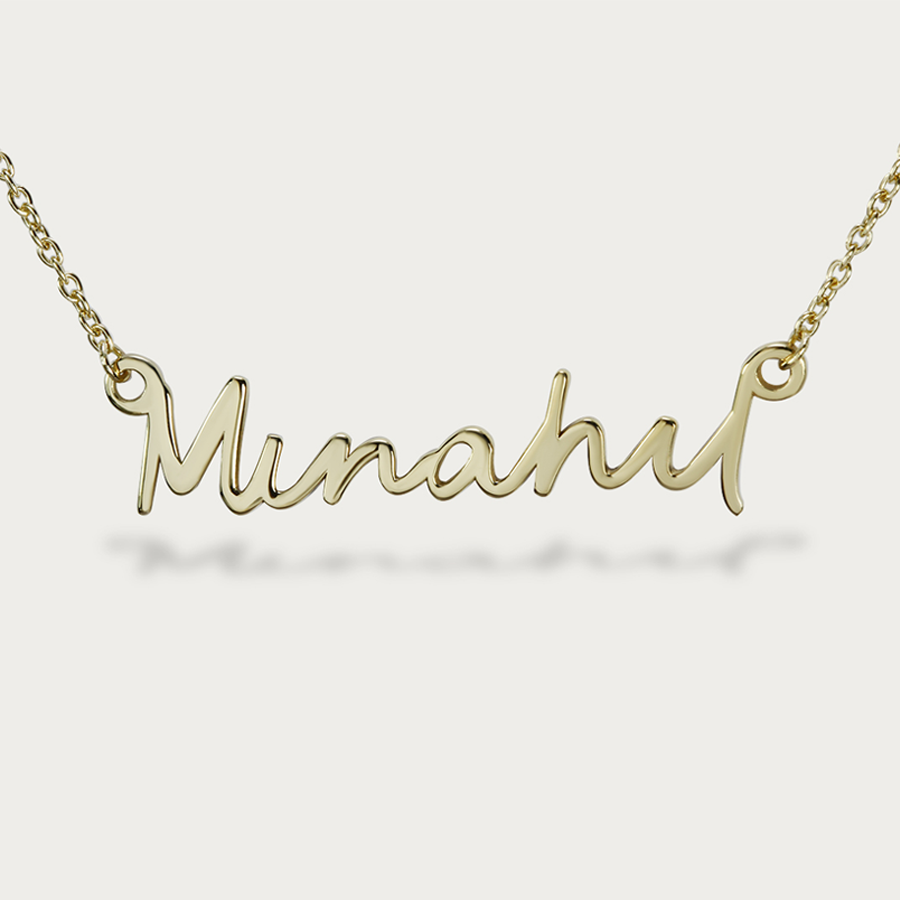
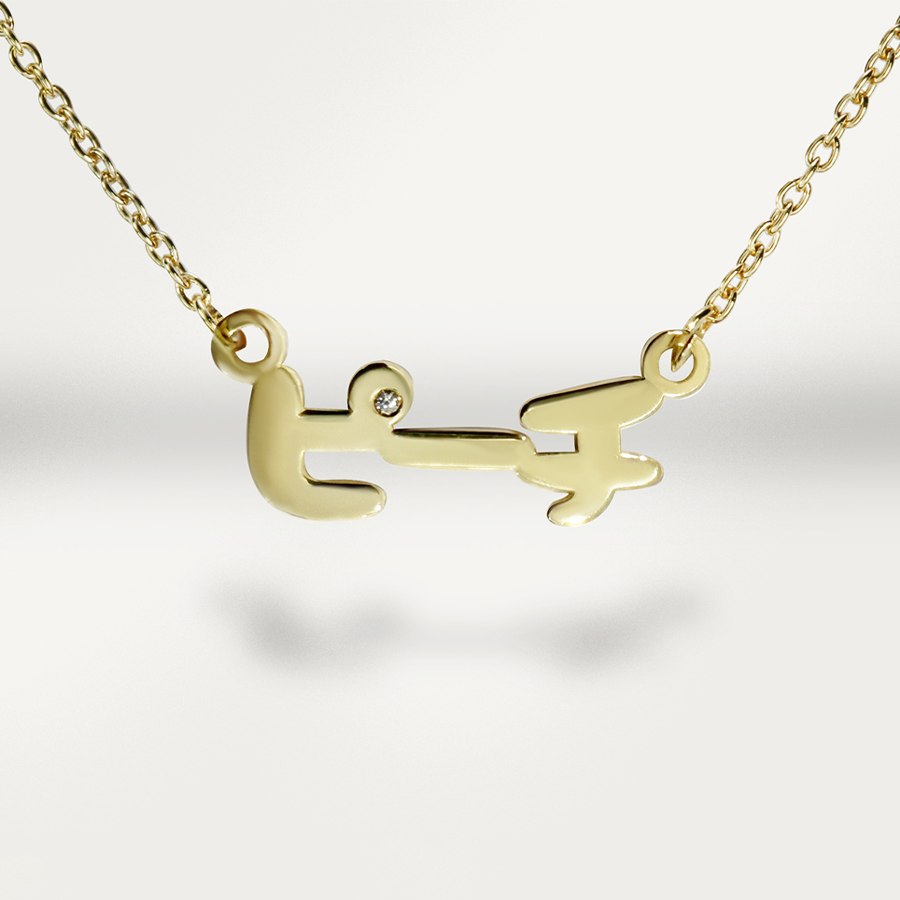
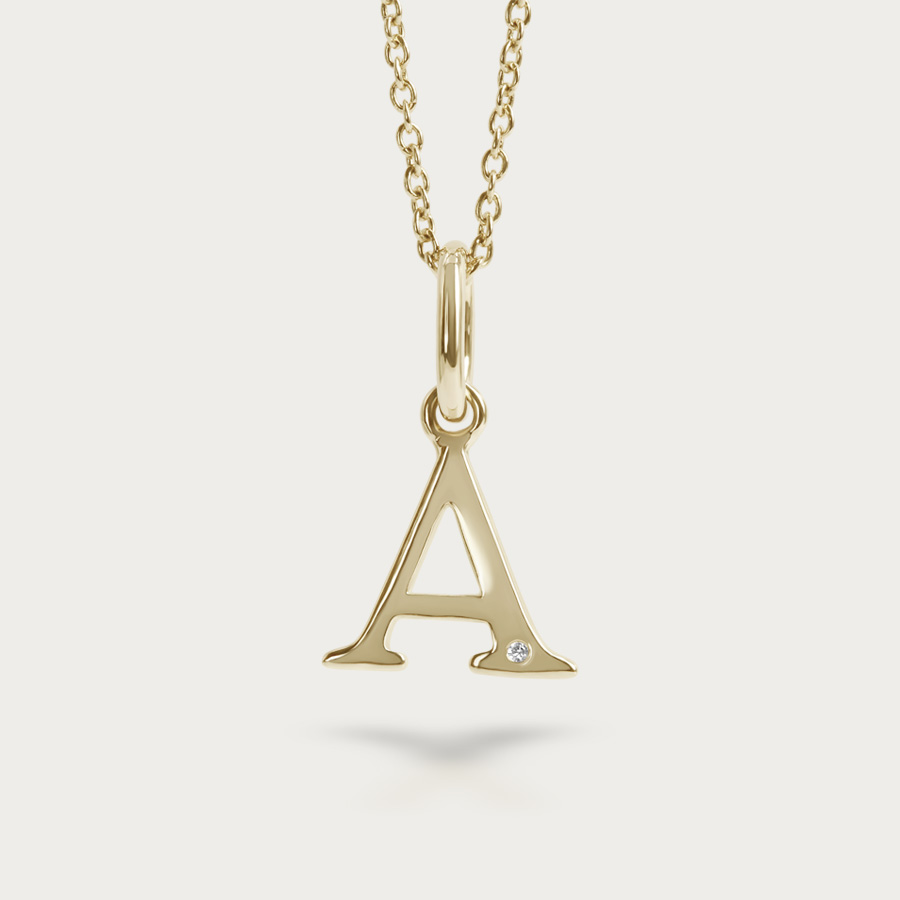
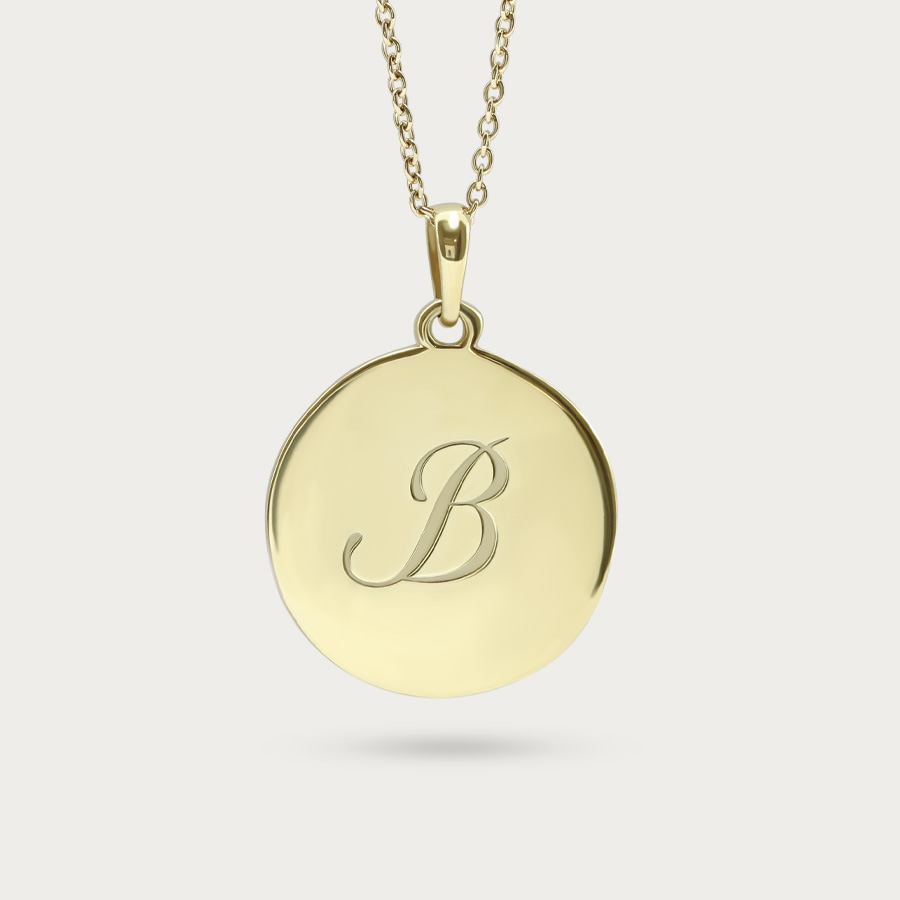
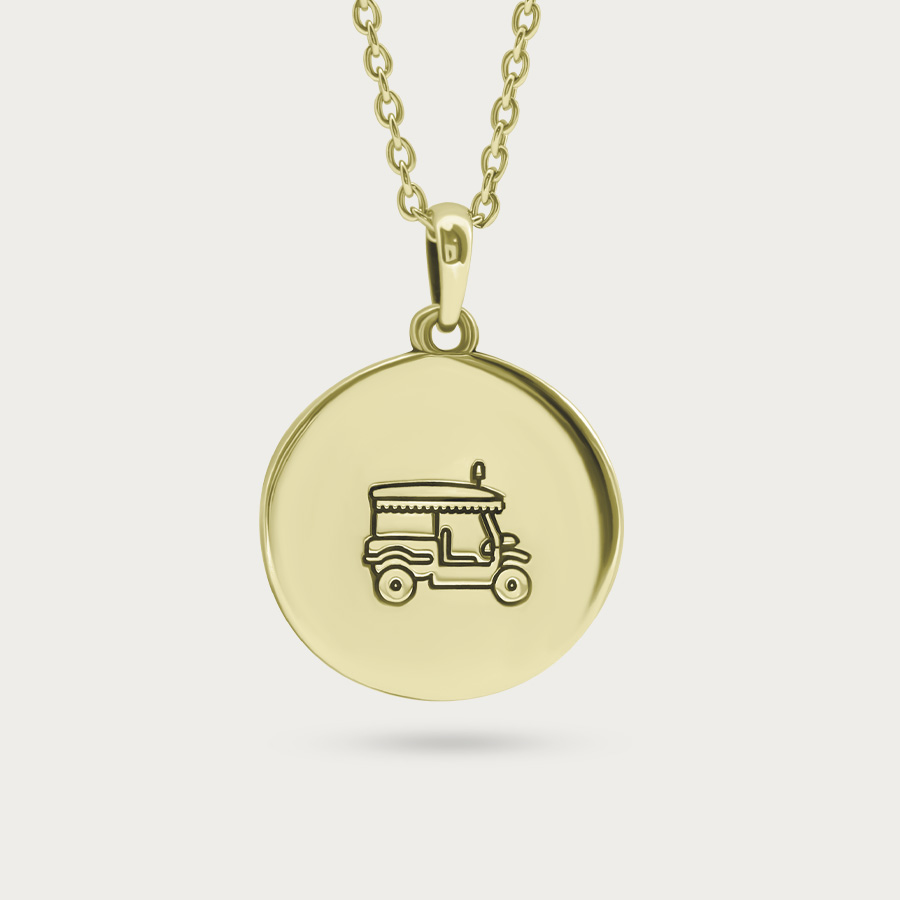
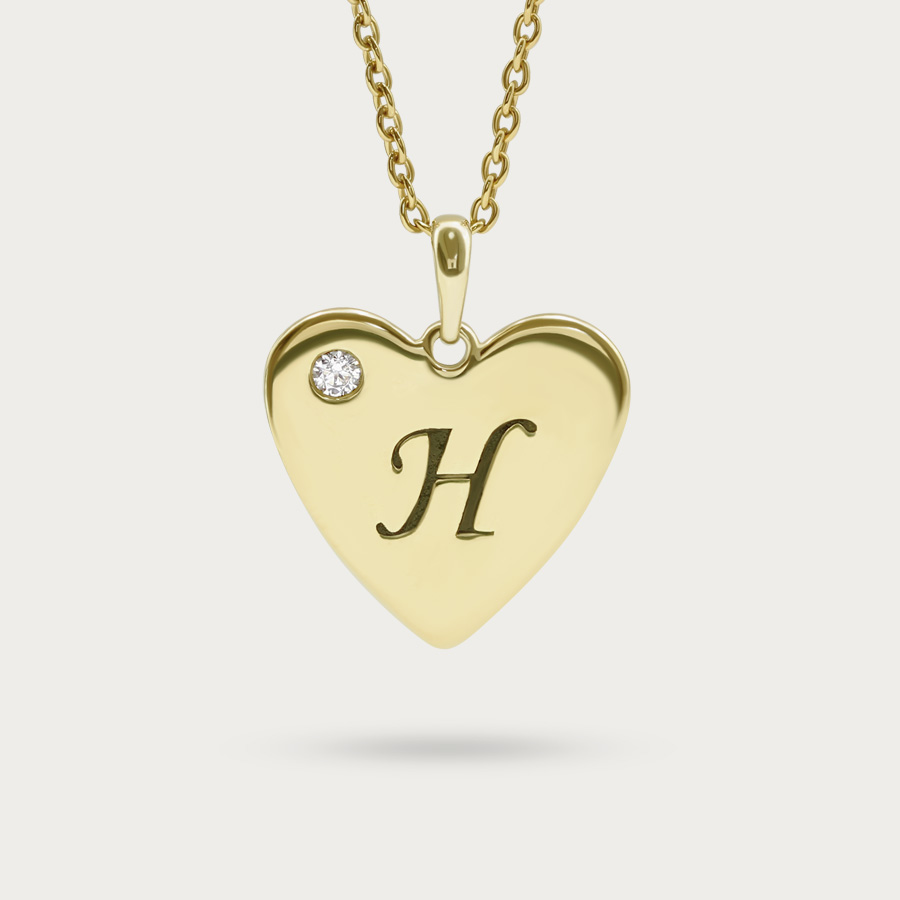
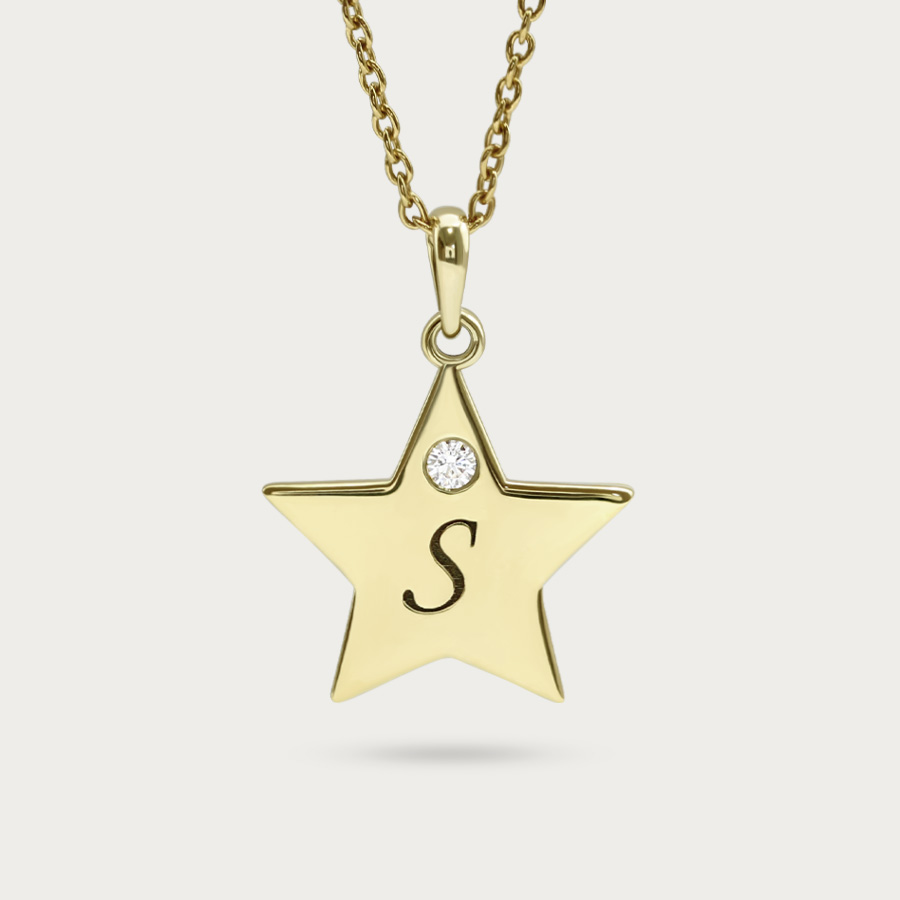
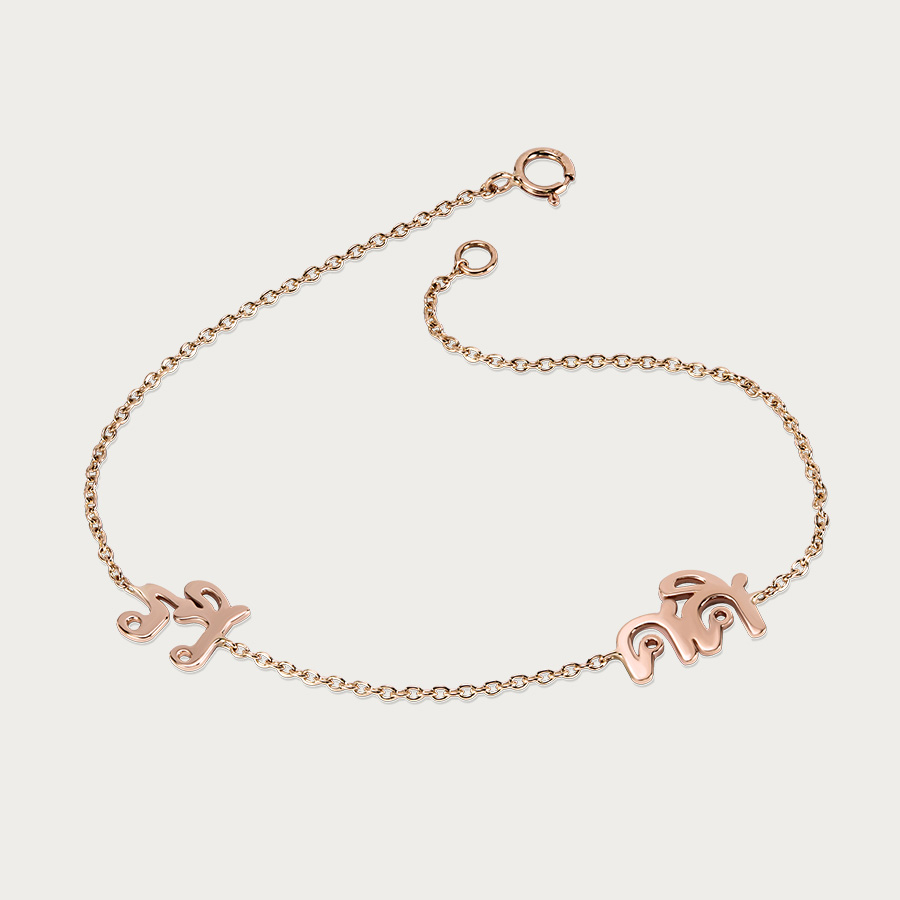
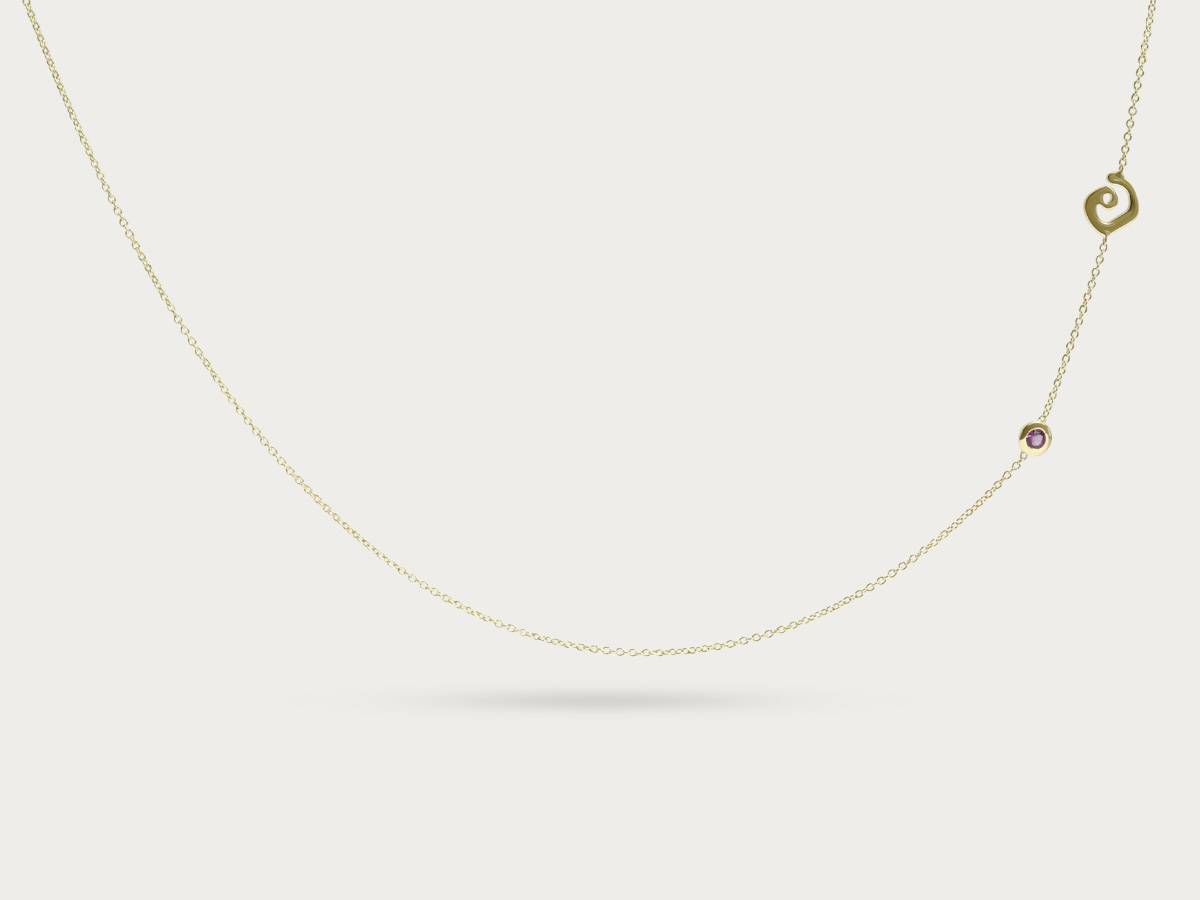
Name and initial necklaces are cut to order from your customers own text, in Latin script, Thai and Japanese. Because the cutting is done to a supplied file, personalisation adds far less to the unit cost than most buyers assume, and it is the single most effective way to stop a chain range being compared on price alone.
What to send us
A sketch on paper is enough to start. So is a photograph of something similar with a note about what should be different. CAD files are better still, and a physical sample is best of all. We cost it, make one sample properly, and you decide from the piece in your hand rather than a rendering. Changes at sample stage are cheap; changes after production starts are not.
Minimums and lead time
There is no blanket minimum order quantity. It is set per project, once we know the metal, the method and the stones, because those three things decide whether a short run is sensible or wasteful. Gold and platinum can start small, because the material carries most of the cost. Silver wants more volume, since the setup is the same but the material is cheap.
From first enquiry to a box on your desk is usually six to ten weeks, of which three to five weeks is production. Most of the rest is sampling and your own decisions, which is the part you control. If you have a date you need stock by, say so in the first email and we will tell you honestly whether it is possible.