
How sourcing actually works here
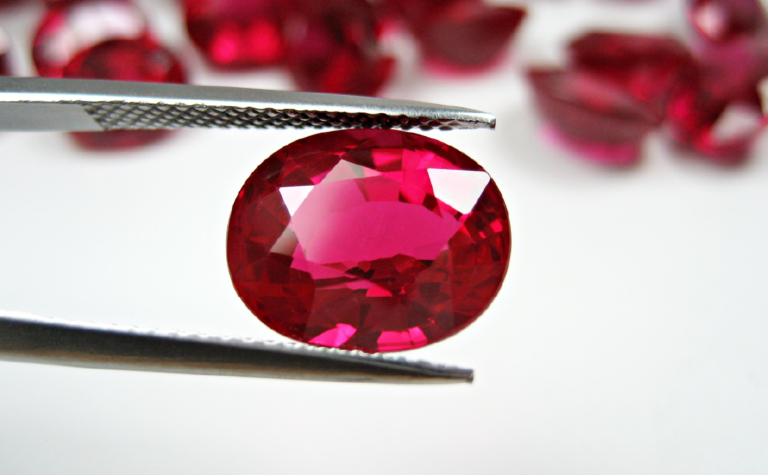
Most jewelry manufacturers buy stones from a dealer when an order lands. We buy from the Bangkok trade ourselves, which is the single reason a coloured-stone programme costs what it does here rather than what it costs elsewhere. Bangkok is where a very large share of the world’s coloured stones are cut and traded, and being in the room matters more than any supplier relationship on paper.
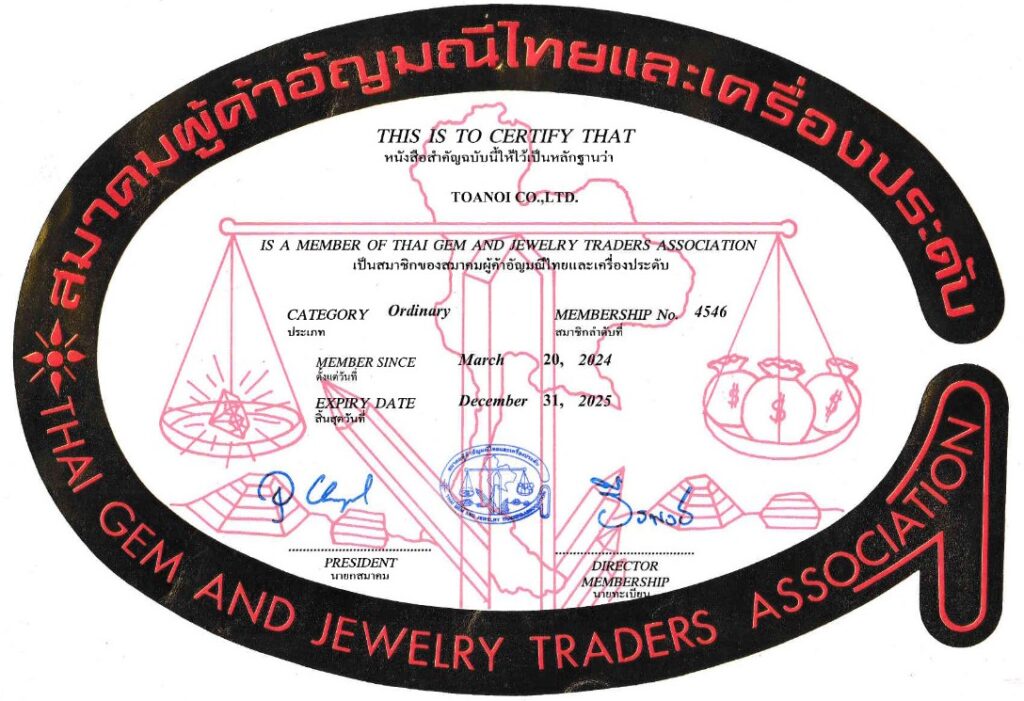
We are a member of the Thai Gem and Jewelry Association and buy to its standards. In practice that means you can ask us where a stone came from and what was done to it, and get a straight answer before you commit to a run.
Buying for a production run is a different job
Buying one beautiful stone is easy. Buying two hundred that match each other is the actual skill, and it is where most coloured-stone ranges come unstuck. Stones are bought as parcels and selected from, not picked one by one, so the price you are quoted reflects how much of a parcel is usable for your specification.
This is why an unusual size or a tight colour window costs more than the stone itself suggests. If you can widen either, we can often bring the price down substantially without changing how the finished piece looks.
What to tell us when you enquire
Stone type, shape, size in millimetres rather than carats where you can, the colour you have in mind, and the quantity. Millimetres matter more than carat weight in manufacturing, because the setting is cut to a millimetre size and two stones of the same weight can differ enough to need different settings.
If you have a physical sample of the colour you want, send it or photograph it against a white background in daylight. Colour words travel badly between people and screens.
Certification
Independent certification is available on request from the recognised Bangkok laboratories, and on diamonds from GIA or AGS. It is worth specifying on higher-value centre stones and rarely worth the cost on melee. Tell us what your market expects and we will quote accordingly rather than certifying everything by reflex.
Questions about our gemstones
How stones are bought, checked and priced here.
Where do your gemstones come from?
We buy from the Bangkok trade ourselves rather than going through a dealer when an order lands. Bangkok is where a very large share of the world's coloured stones are cut and traded, and being in the room is the single reason a coloured-stone programme costs what it does here. We are a member of the Thai Gem and Jewelry Association and buy to its standards.
Are the stones natural or lab grown?
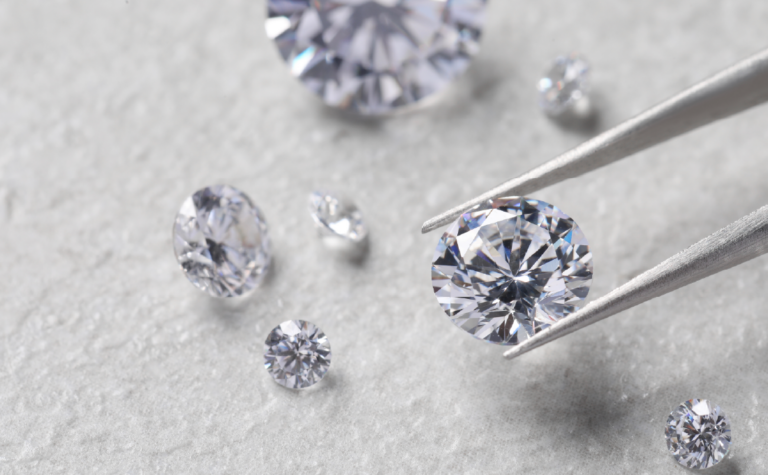
Both, and you choose. Every natural stone we set is genuine, sourced to Thai Gem and Jewelry Association standards. We also supply lab-grown CVD diamonds, and cubic zirconia where the design and the price point call for it. Whatever a piece contains is stated, never blurred.
Which stones can you supply?
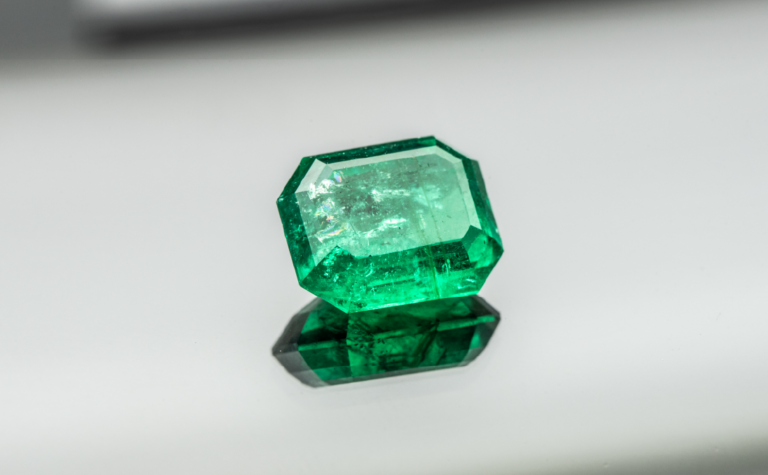
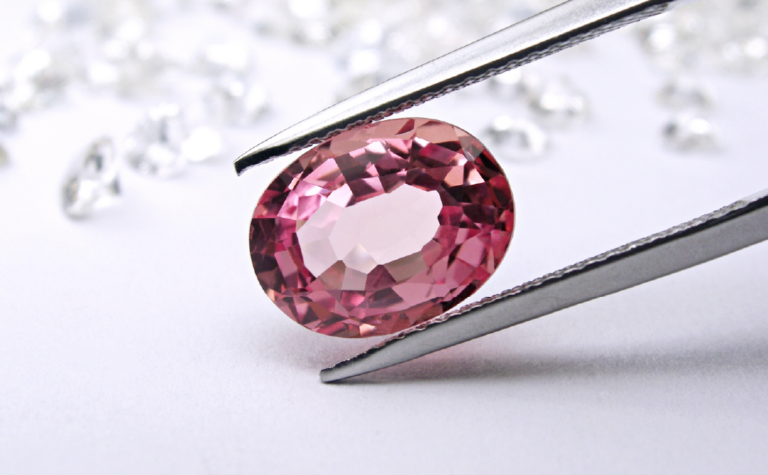
Natural diamonds, lab-grown diamonds, precious stones including sapphire, ruby and emerald, and a wide range of semi-precious stones. If you need something we do not hold, sourcing it through the Bangkok market is usually straightforward.
Can I get stones certified?
Yes, on request. Independent certification is available from the recognised Bangkok laboratories, and from GIA or AGS on diamonds. It is worth specifying on higher-value centre stones and rarely worth the cost on melee. Tell us what your market expects and we will quote to that rather than certifying everything by reflex.
What do you need from me to quote a stone?
Stone type, shape, size in millimetres rather than carats where you can, the colour you have in mind, and the quantity. Millimetres matter more than carat weight in manufacturing, because the setting is cut to a millimetre size and two stones of the same weight can need different settings. If you have a physical sample of the colour, send it, or photograph it against a white background in daylight.
Why does an unusual size or a tight colour match cost more?
Stones are bought as parcels and selected from, not picked one by one, so the price reflects how much of a parcel is usable for your specification. Buying one beautiful stone is easy; buying two hundred that match each other is the actual skill. Widening the size or the colour window often brings the price down substantially without changing how the finished piece looks.