
Materials, and why they matter more here
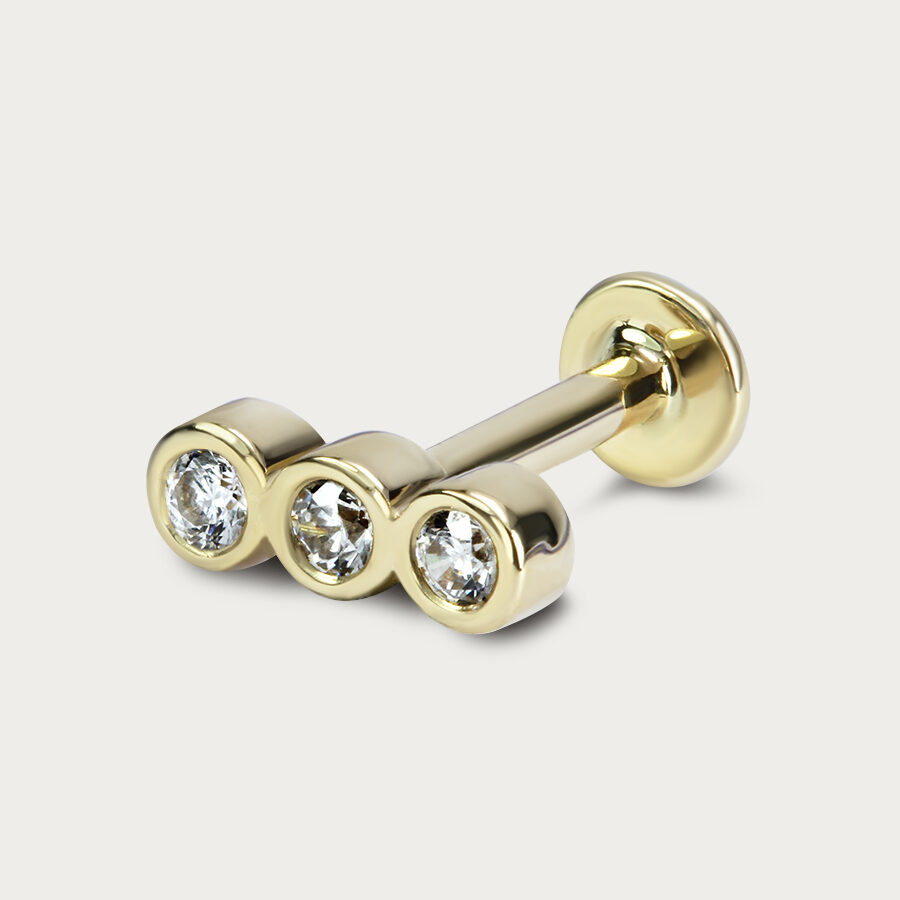
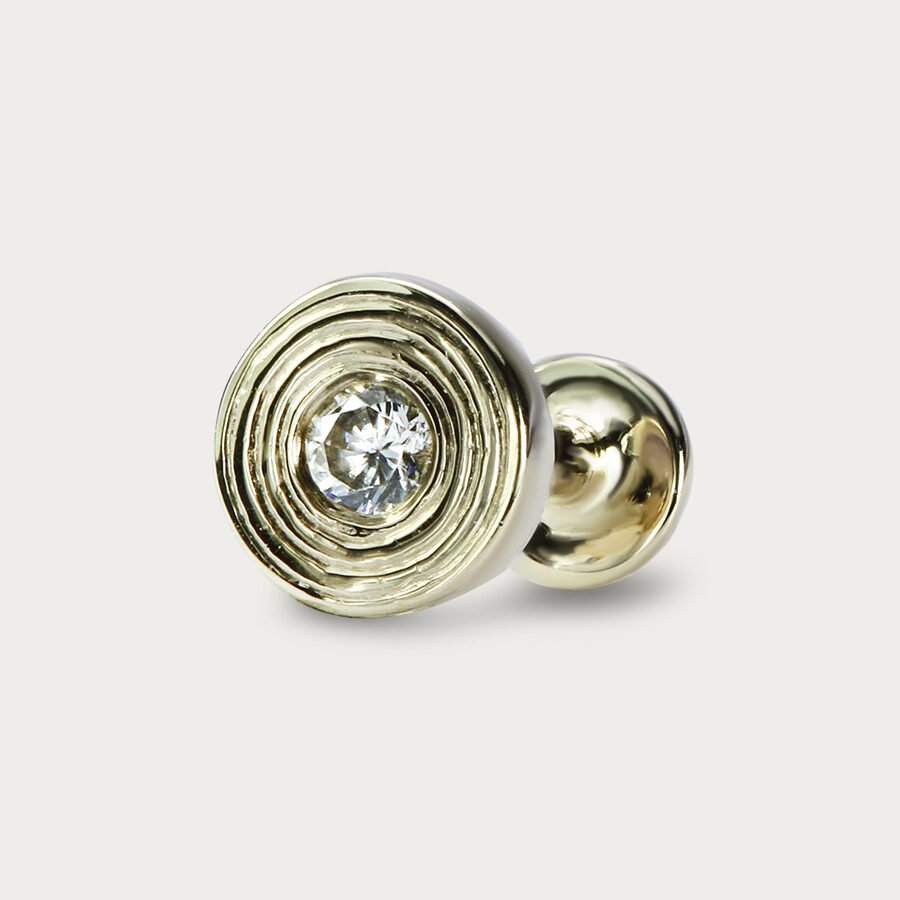
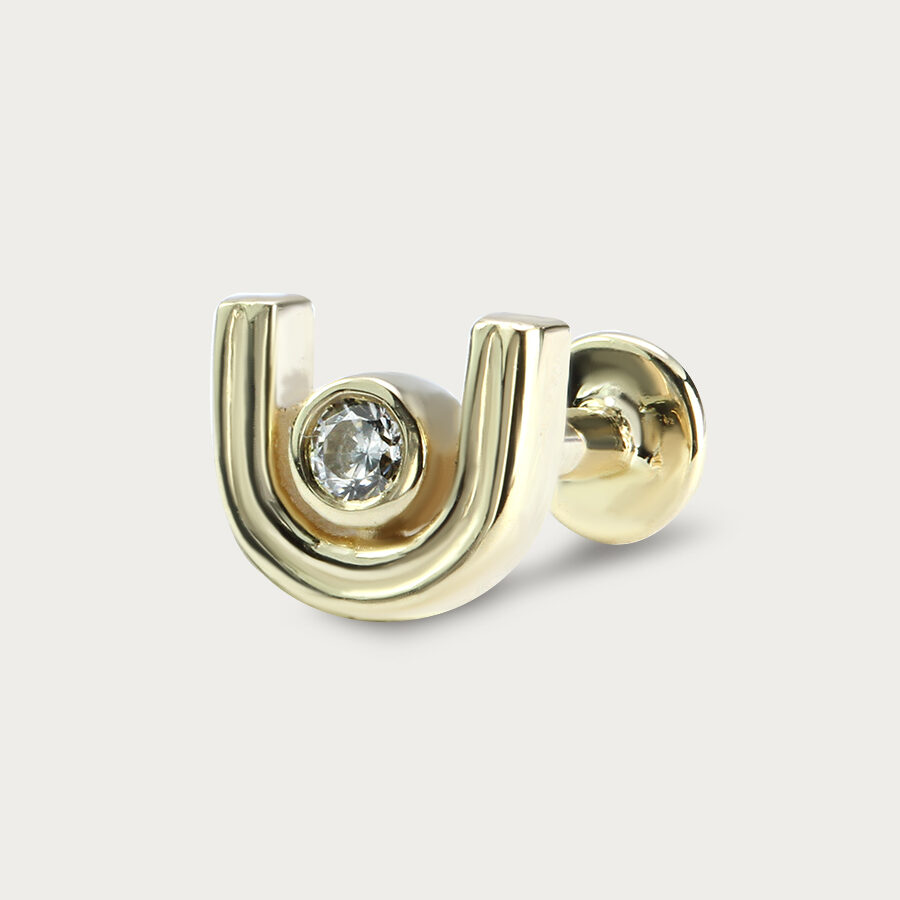
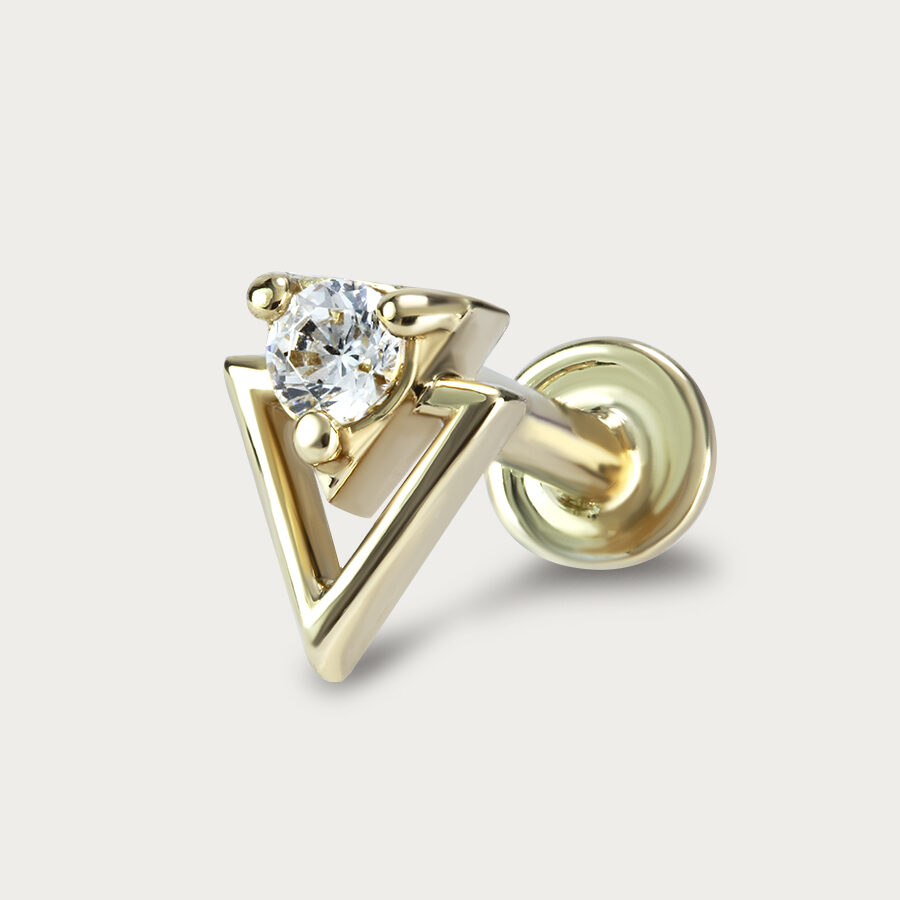
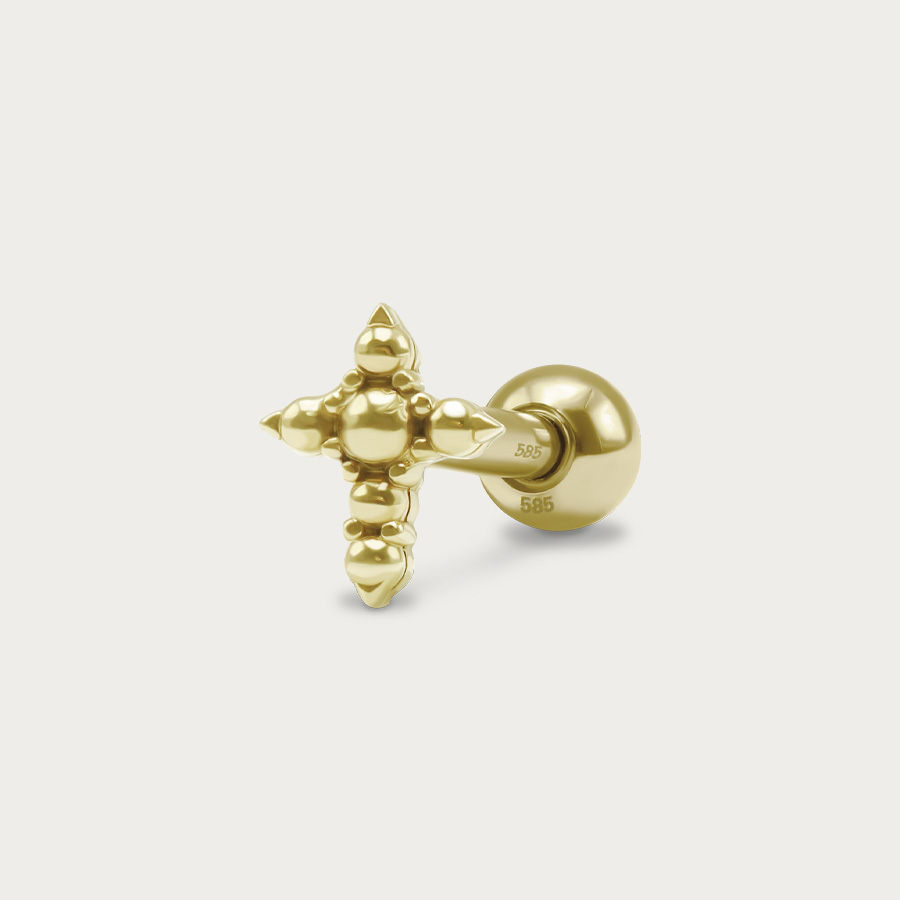
Body jewelry is the one category where the metal is a safety question rather than a preference. We work in 925 sterling silver and 14k and 18k gold. For anything going into a fresh or healing piercing, solid gold is the material to specify: it is stable in the body, it can be made nickel free, and it is what reputable piercing studios ask for.
Gold for body jewelry should be 14k or above and nickel free. If you are selling into studios rather than fashion retail, your buyers will ask about material standards before they ask about price, so tell us the standard you need to meet and we will make to it.
Threading, and the thing studios actually care about
Externally threaded jewelry has the thread cut into the post, which drags through the piercing channel. Internally threaded and threadless jewelry does not, and professional studios overwhelmingly prefer it. If you are supplying studios, specify internal or threadless; if you are supplying fashion retail, external threading is cheaper and acceptable. Getting this wrong is the fastest way to have a studio order once and never again.
Shapes and gauges
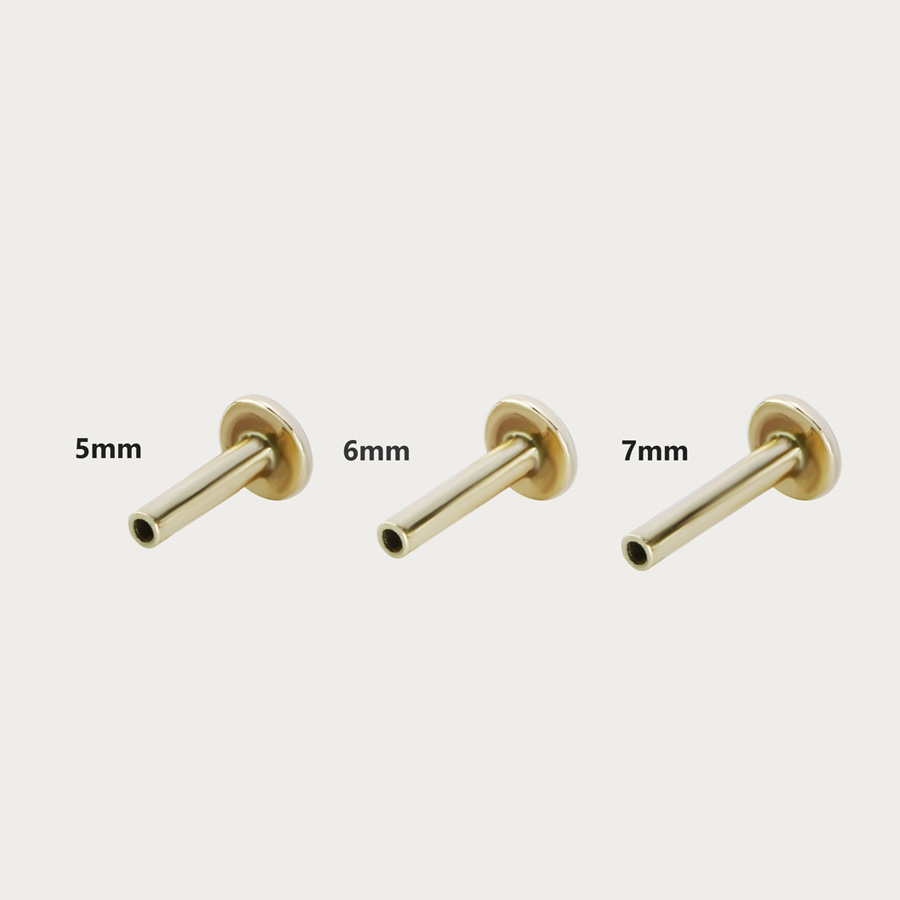
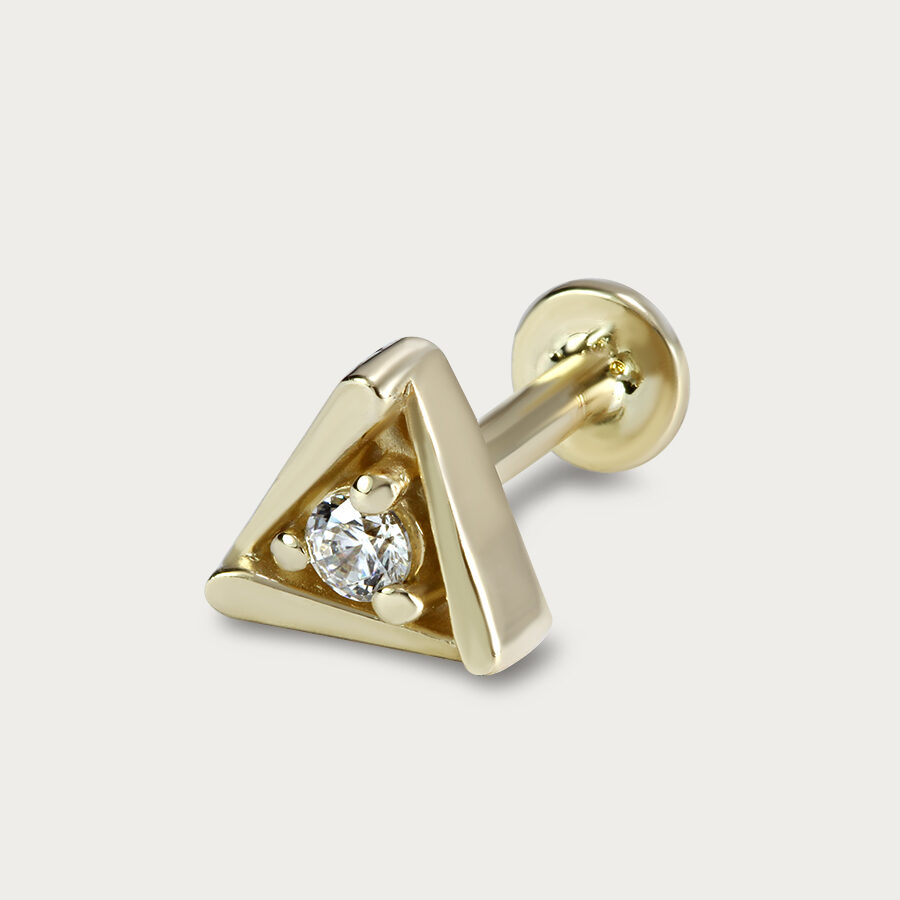
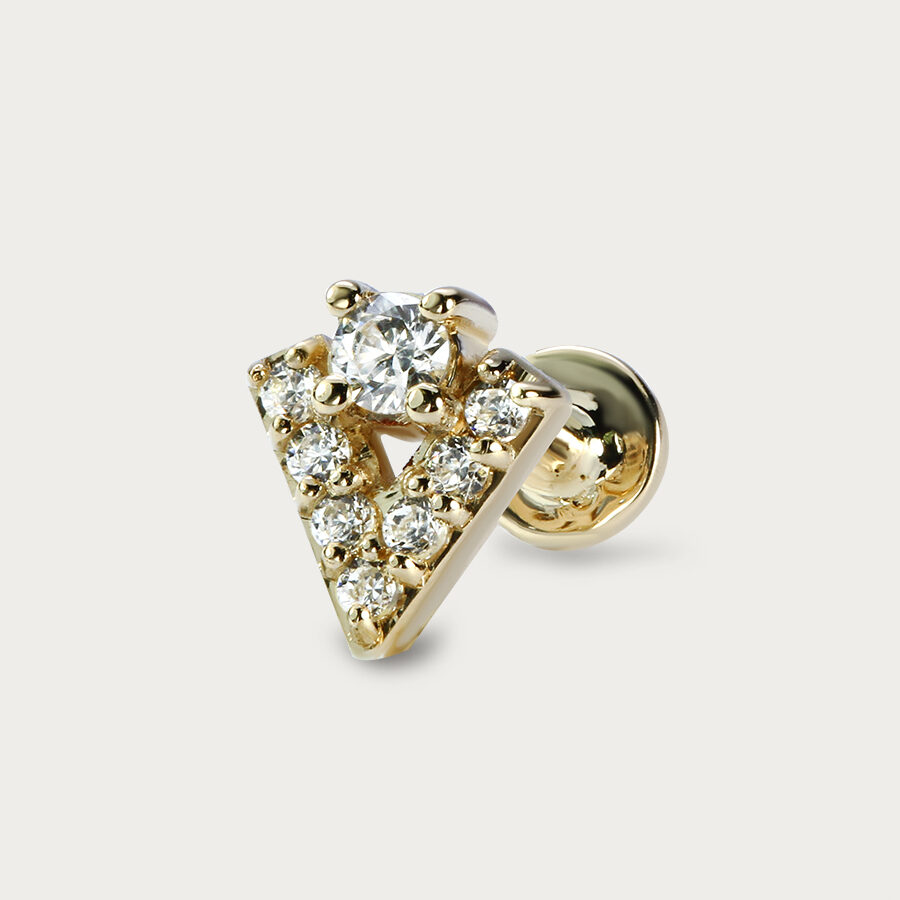
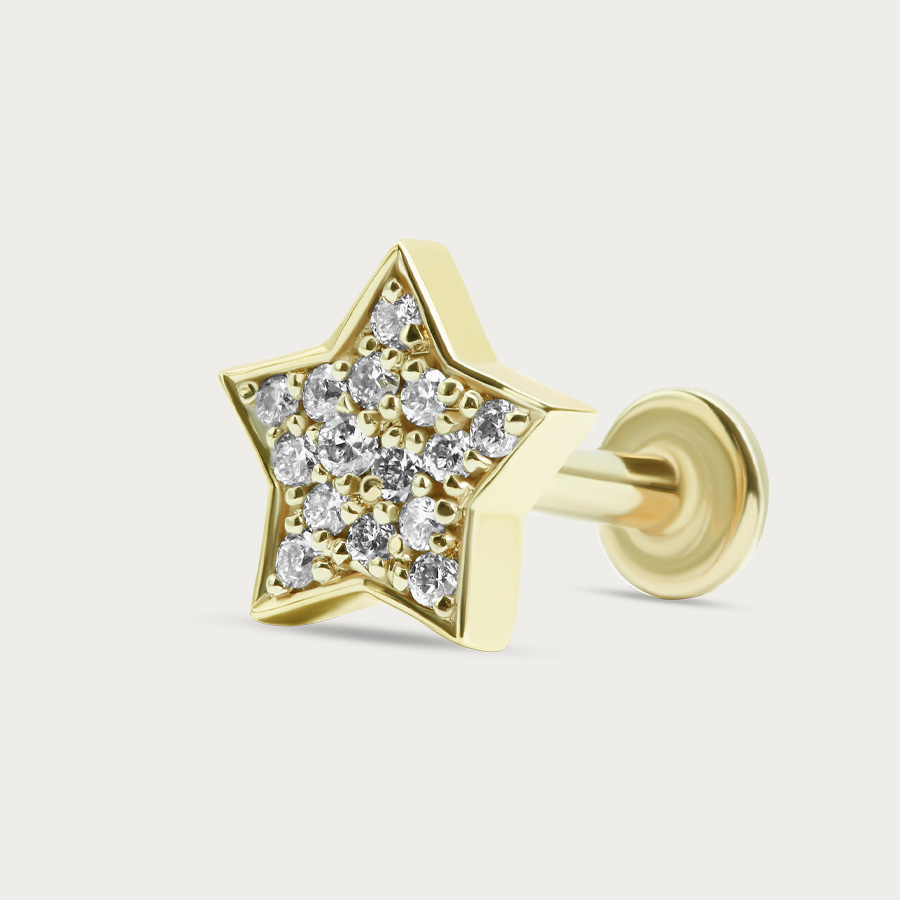
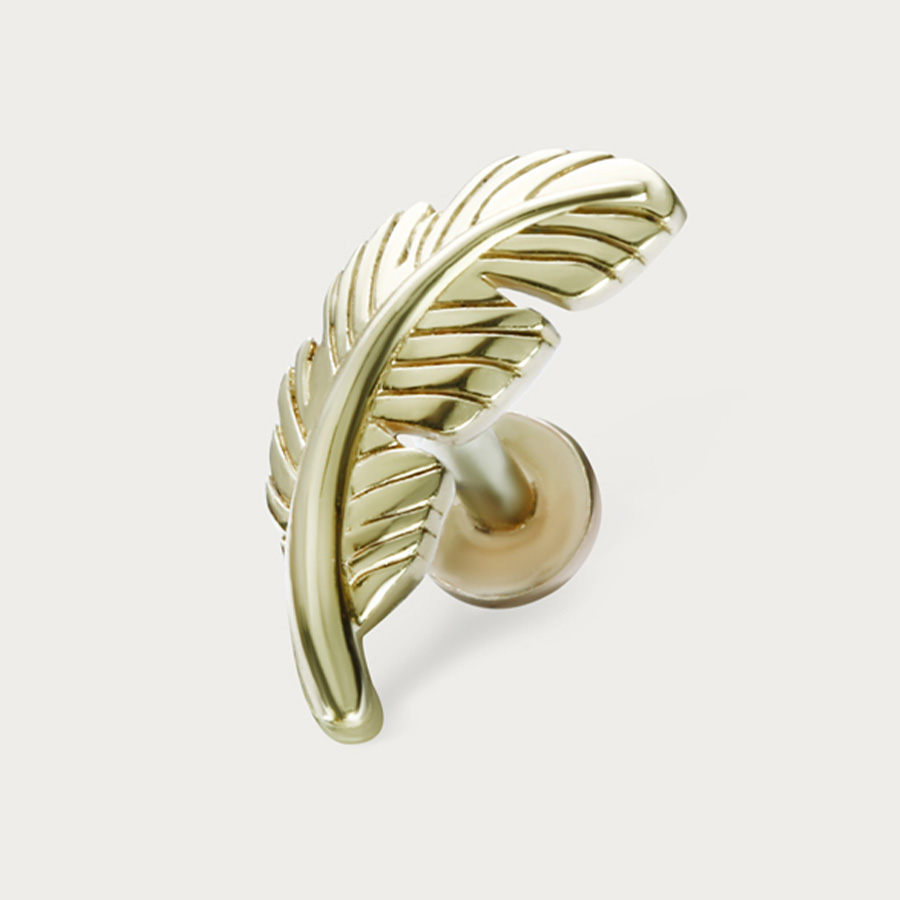
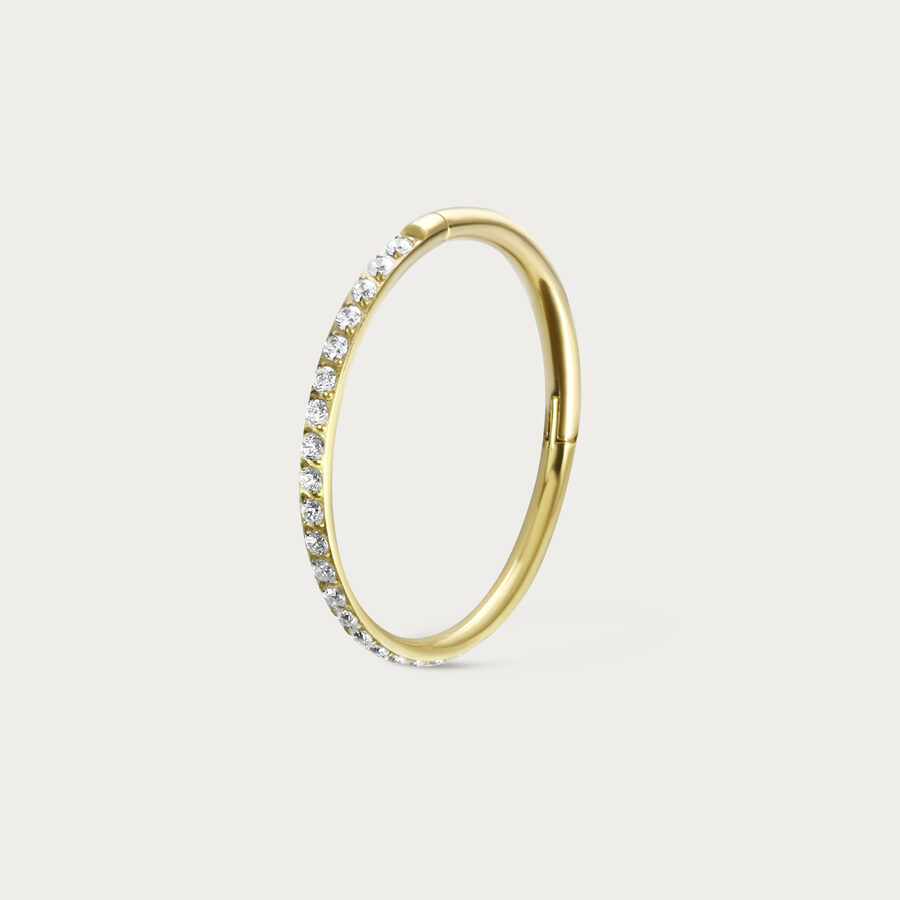
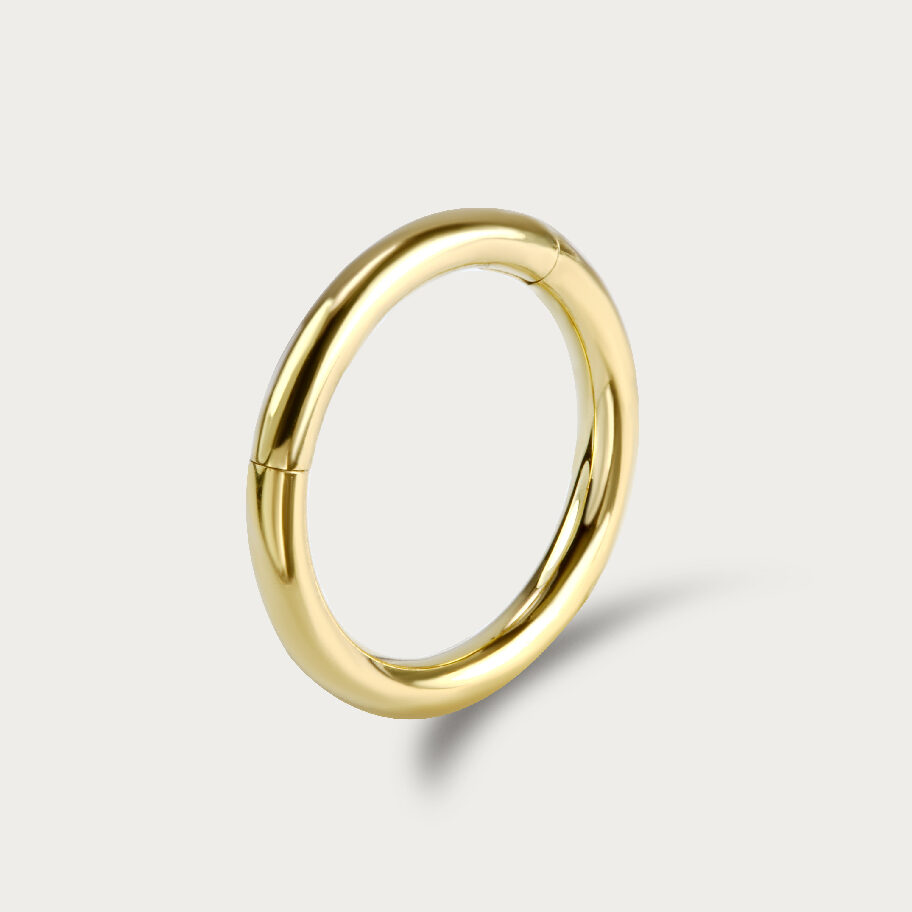
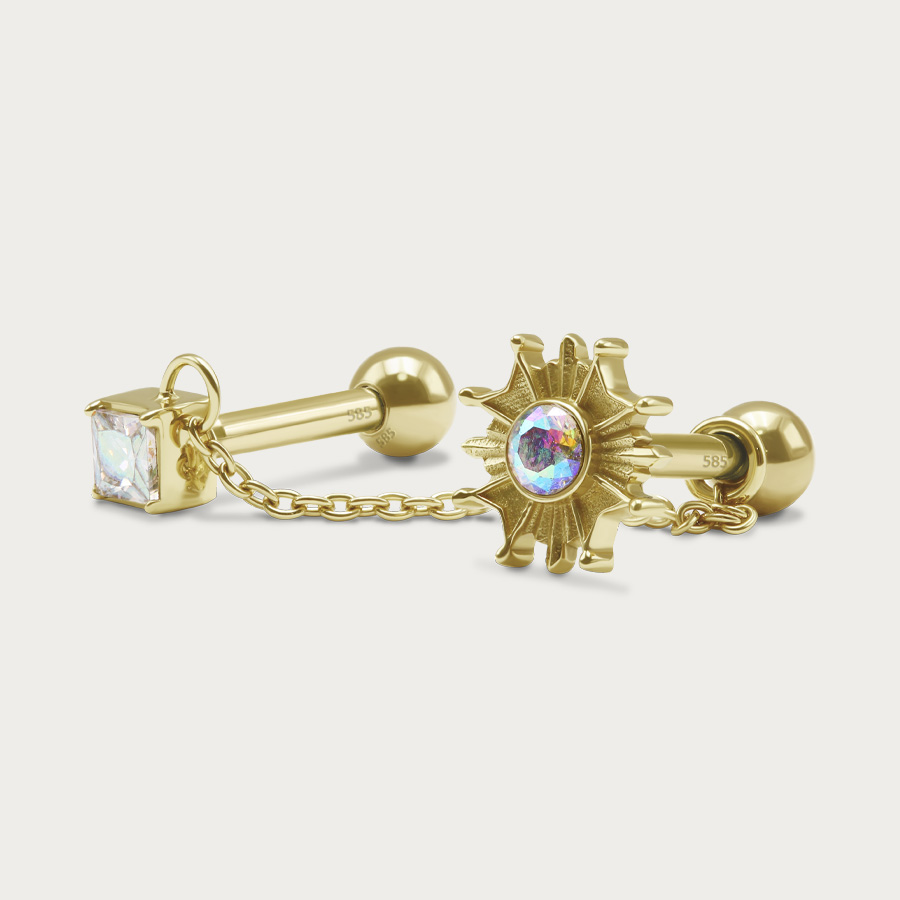
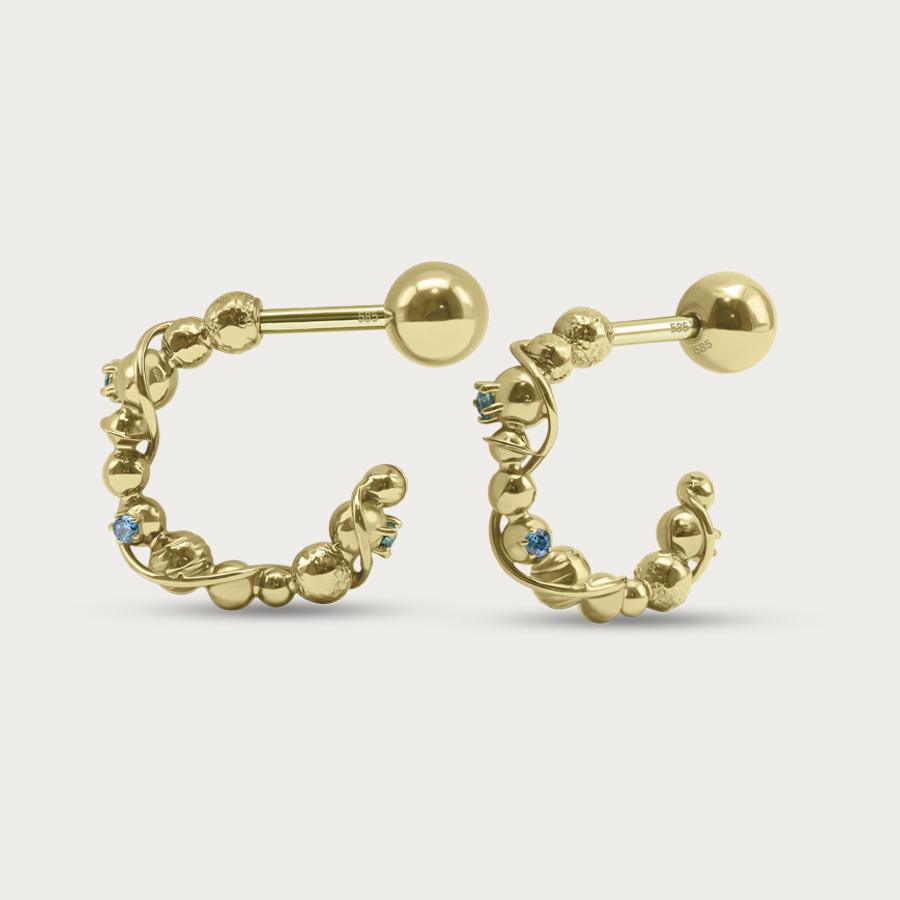
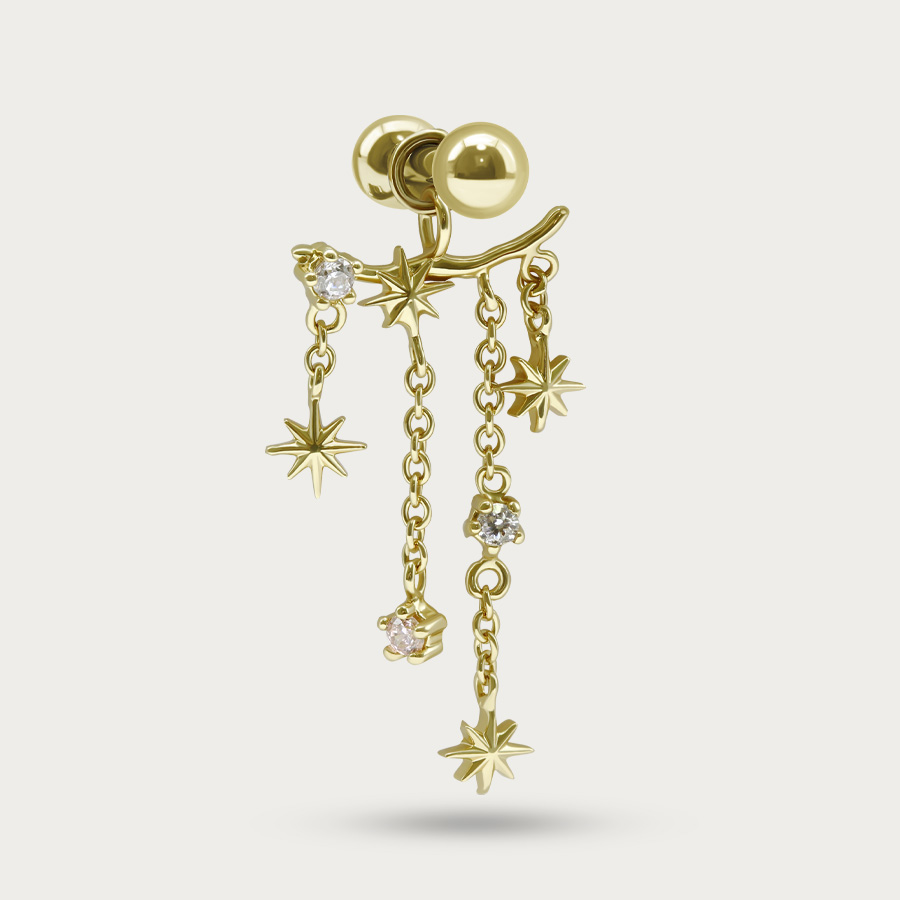
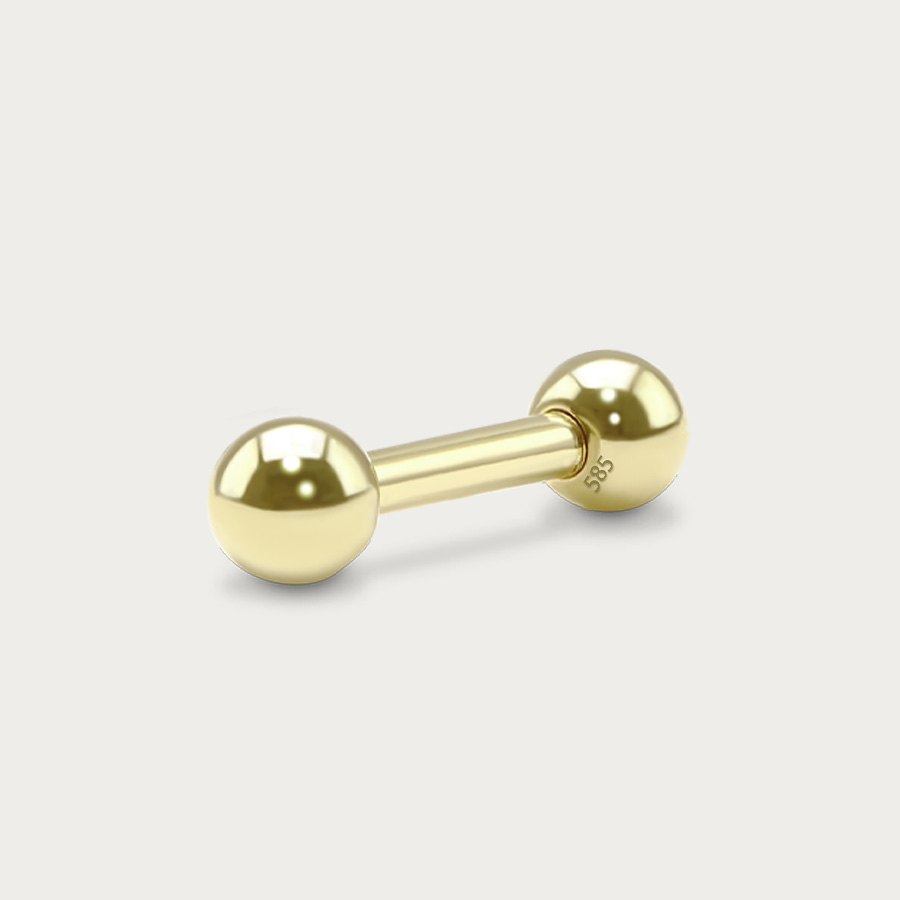
Labret studs, straight and curved barbells, captive bead rings, seamless and hinged segment rings, clickers, nostril screws, and industrial bars. Standard gauges run 20g through 14g for most ear and nose work, with heavier gauges to order. Lengths and ball or disc ends are specified separately, and it is worth carrying a spread of lengths in any style you stock, because fit varies more between people than customers expect.
Stones and finishes
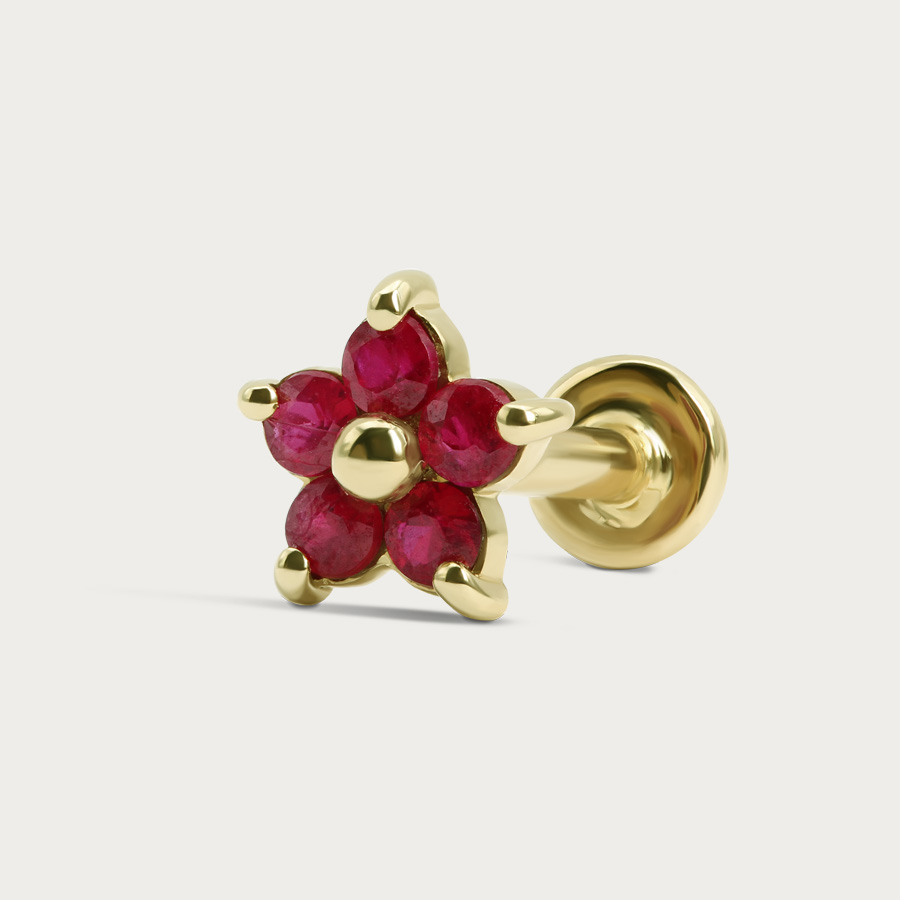
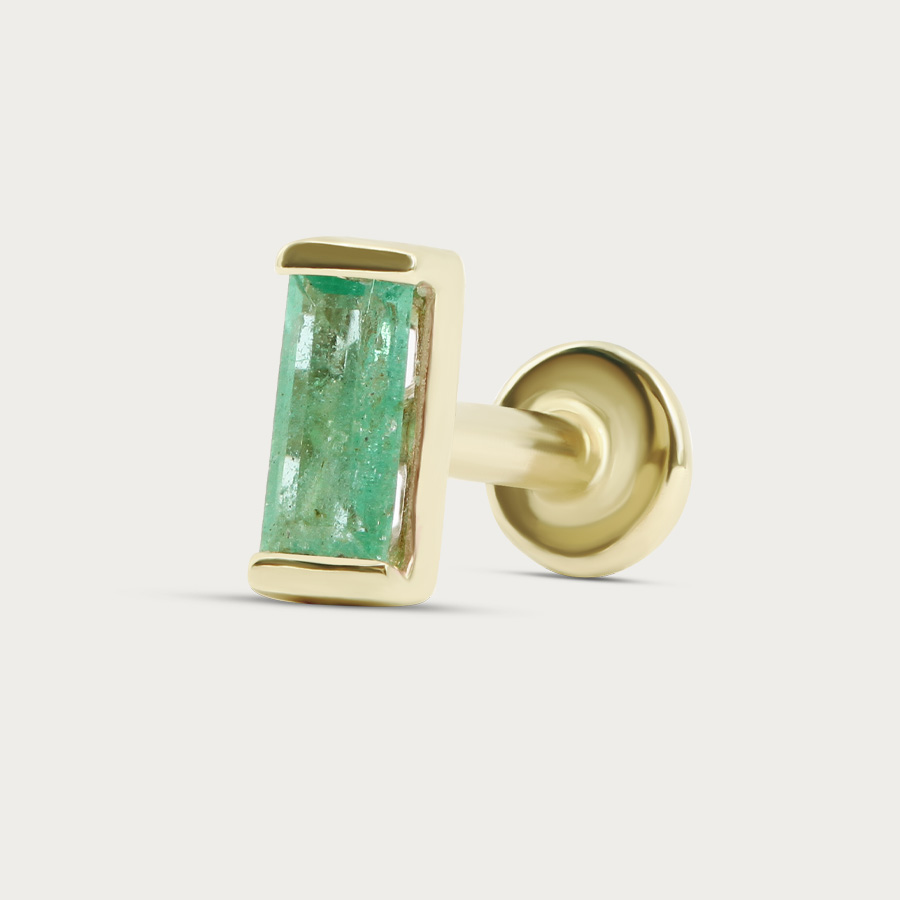
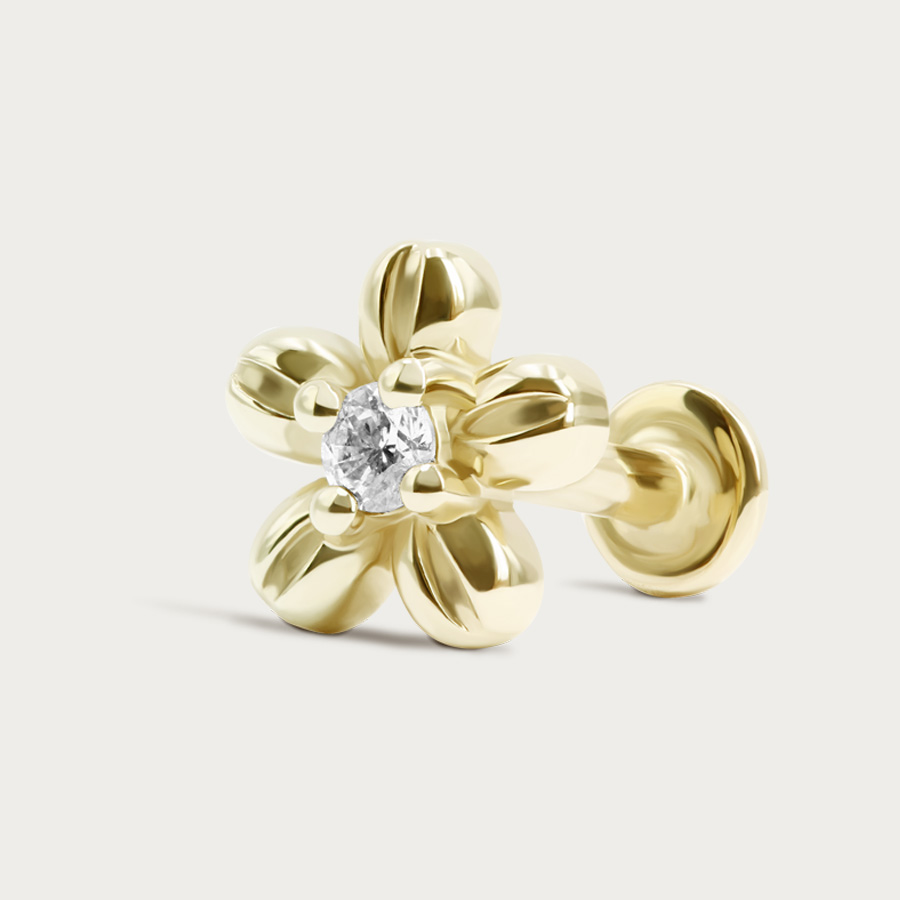
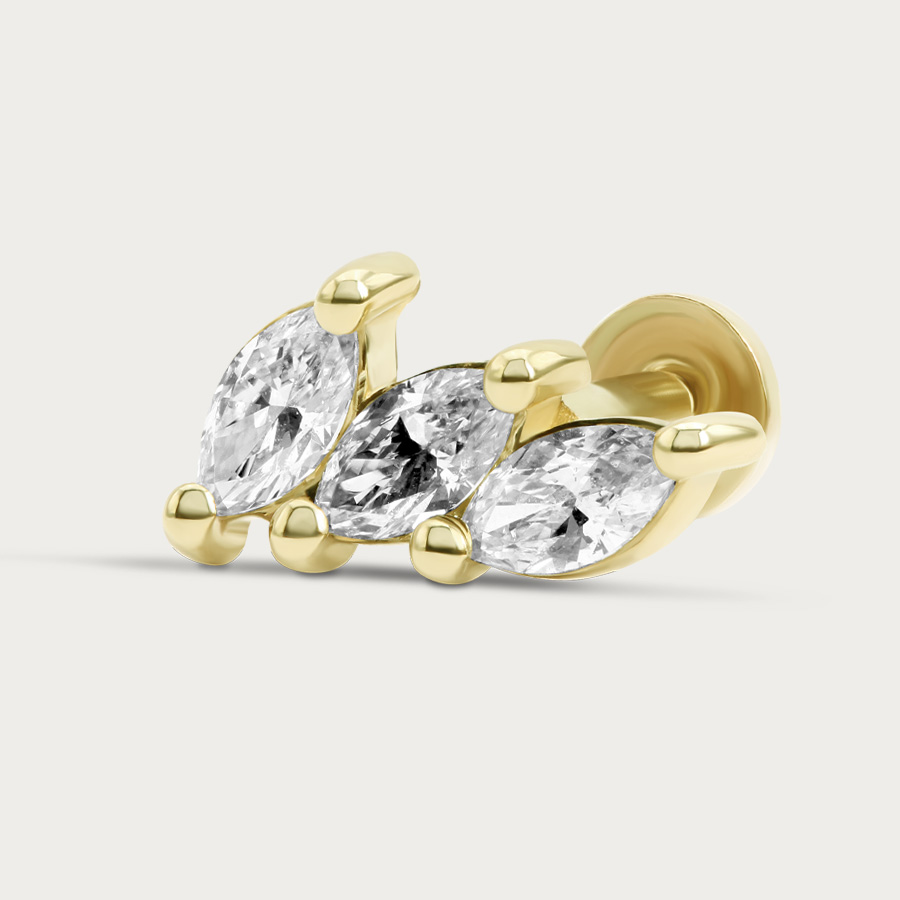
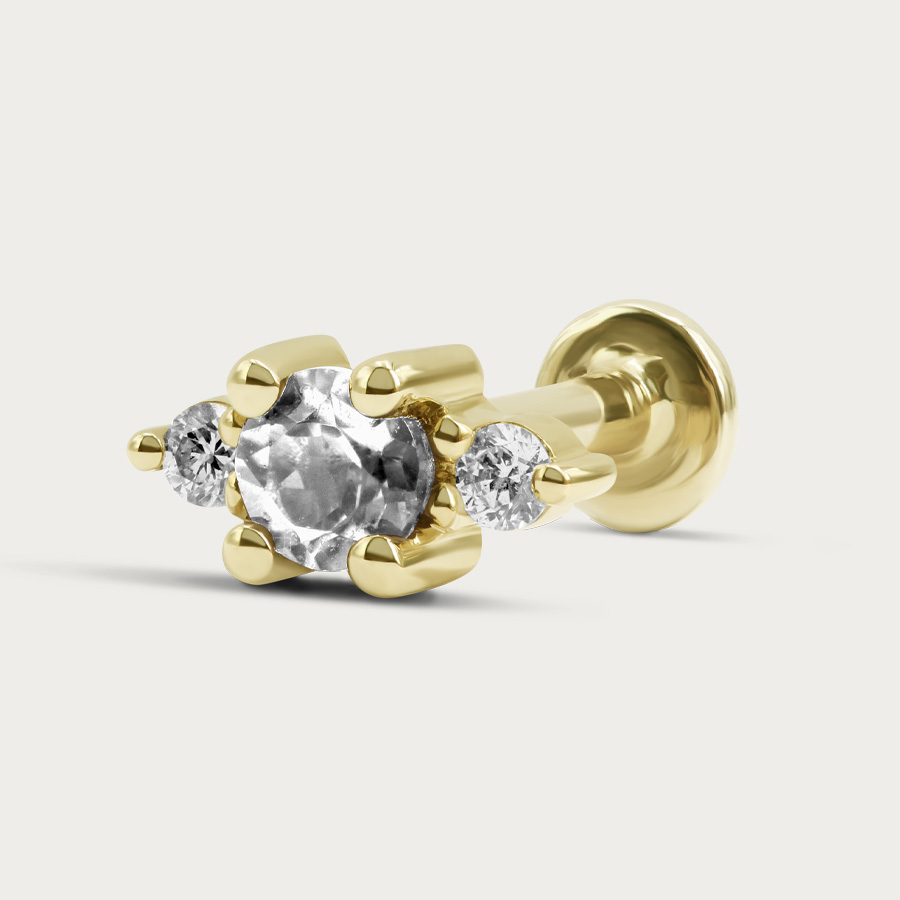
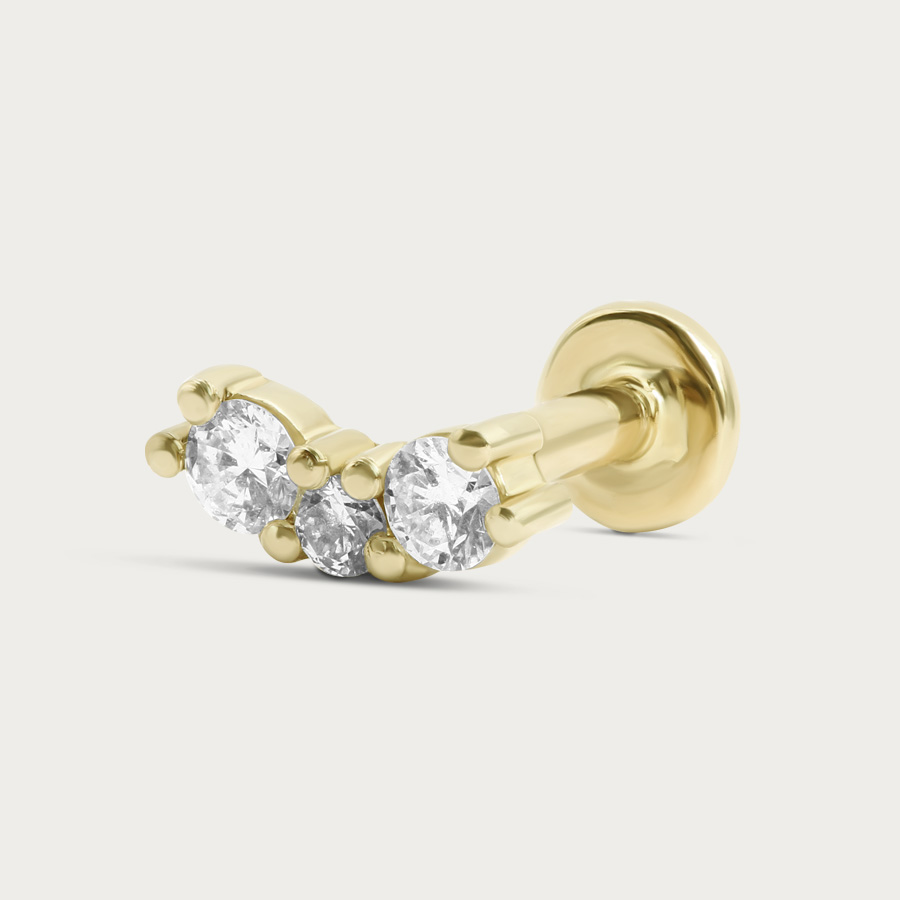
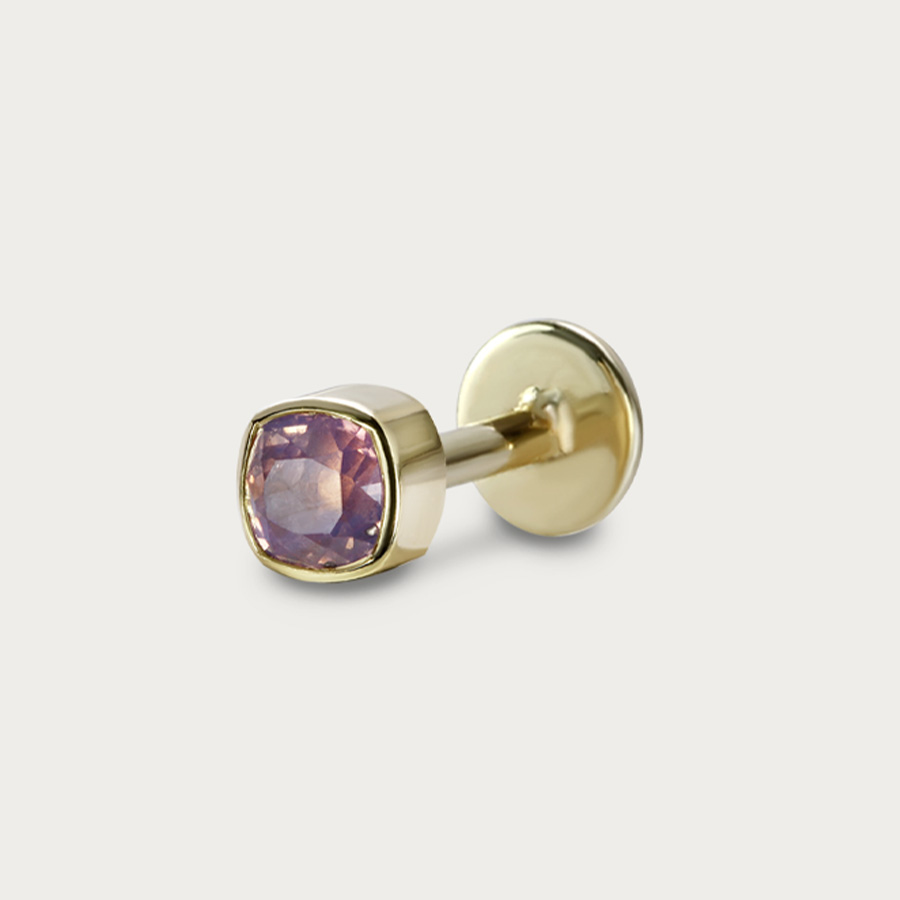
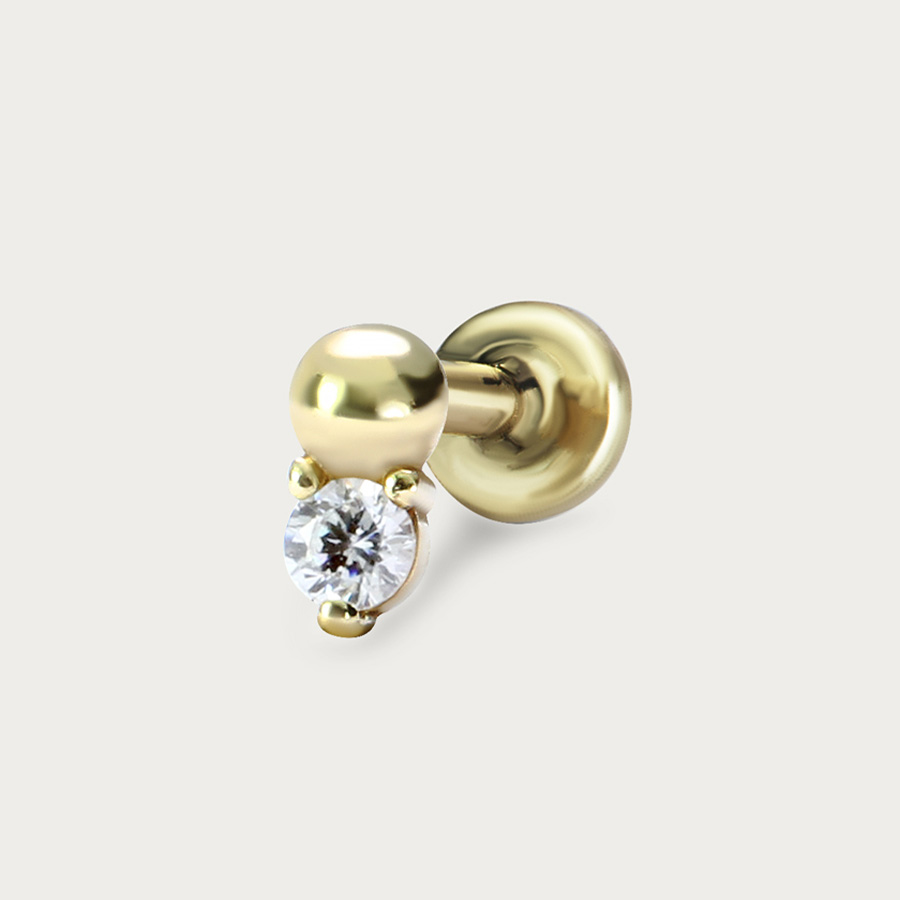
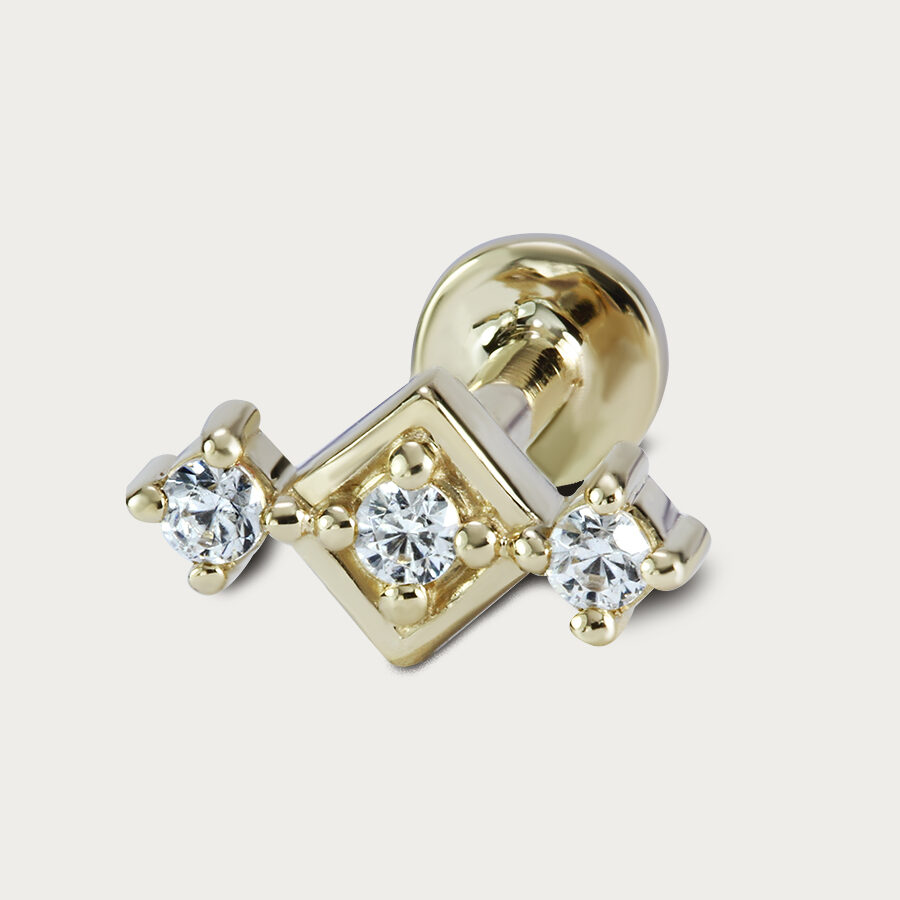
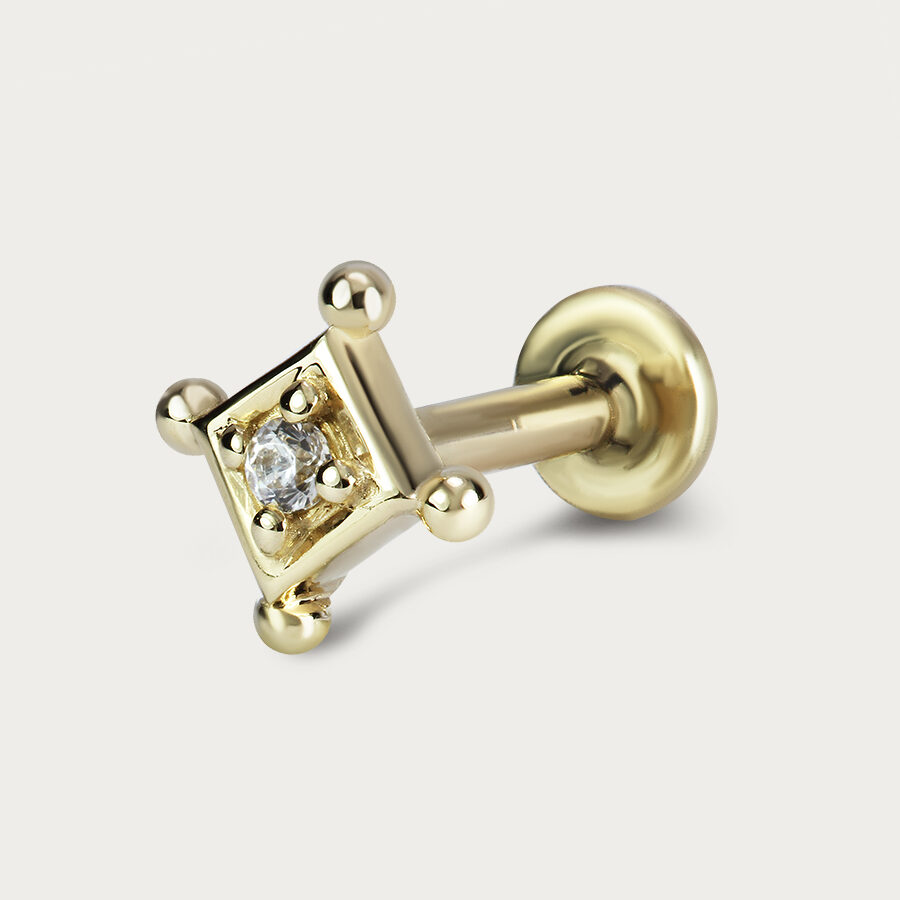
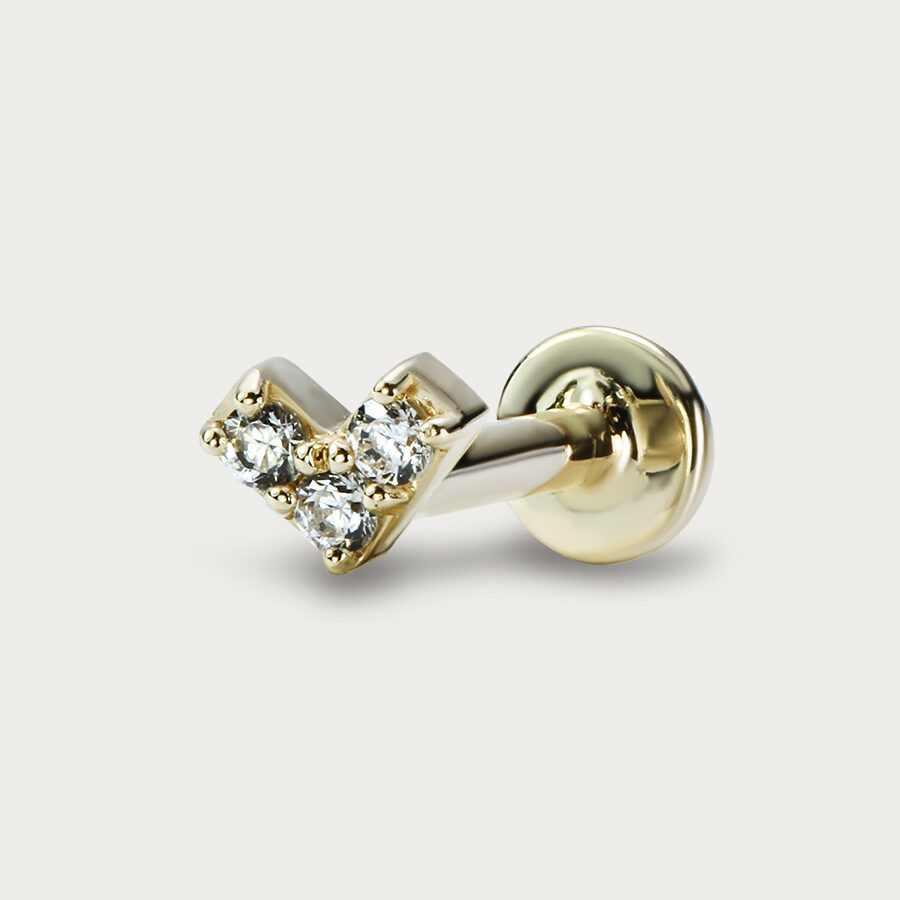
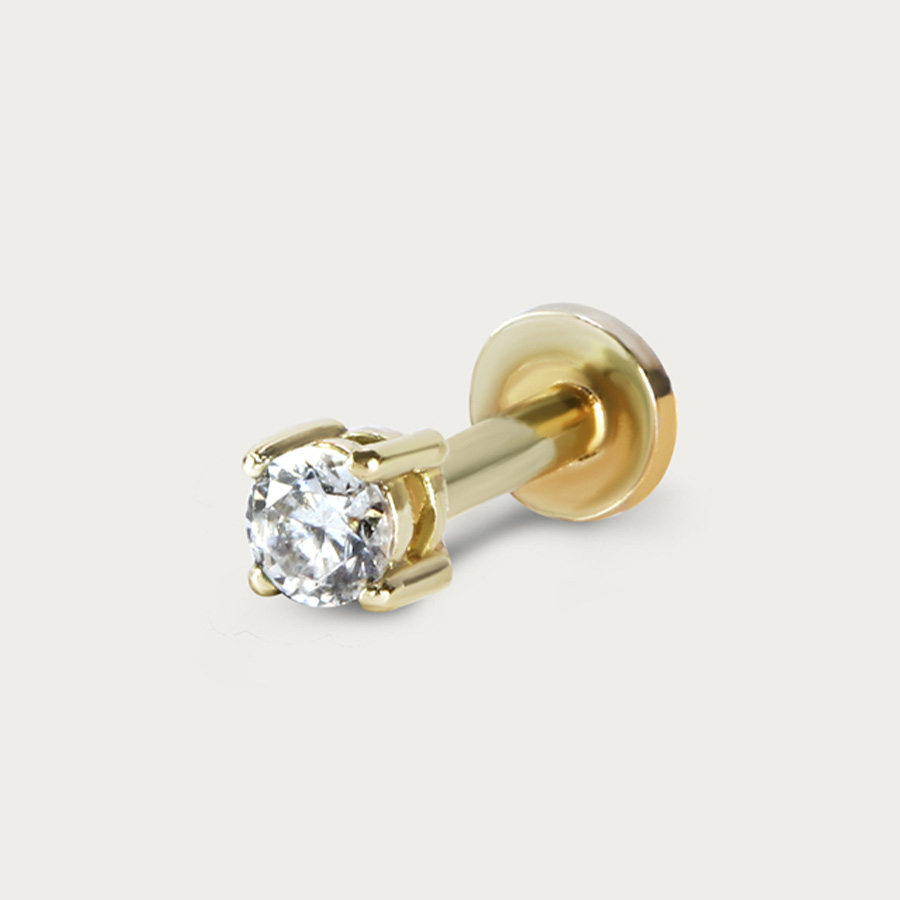
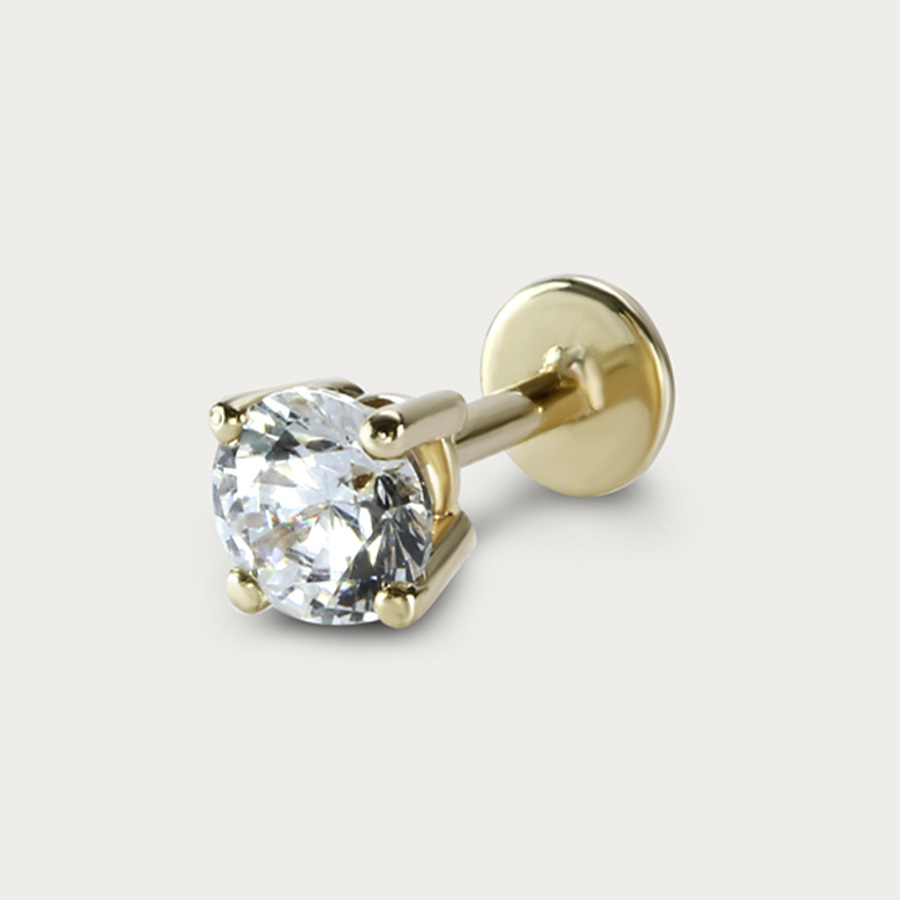
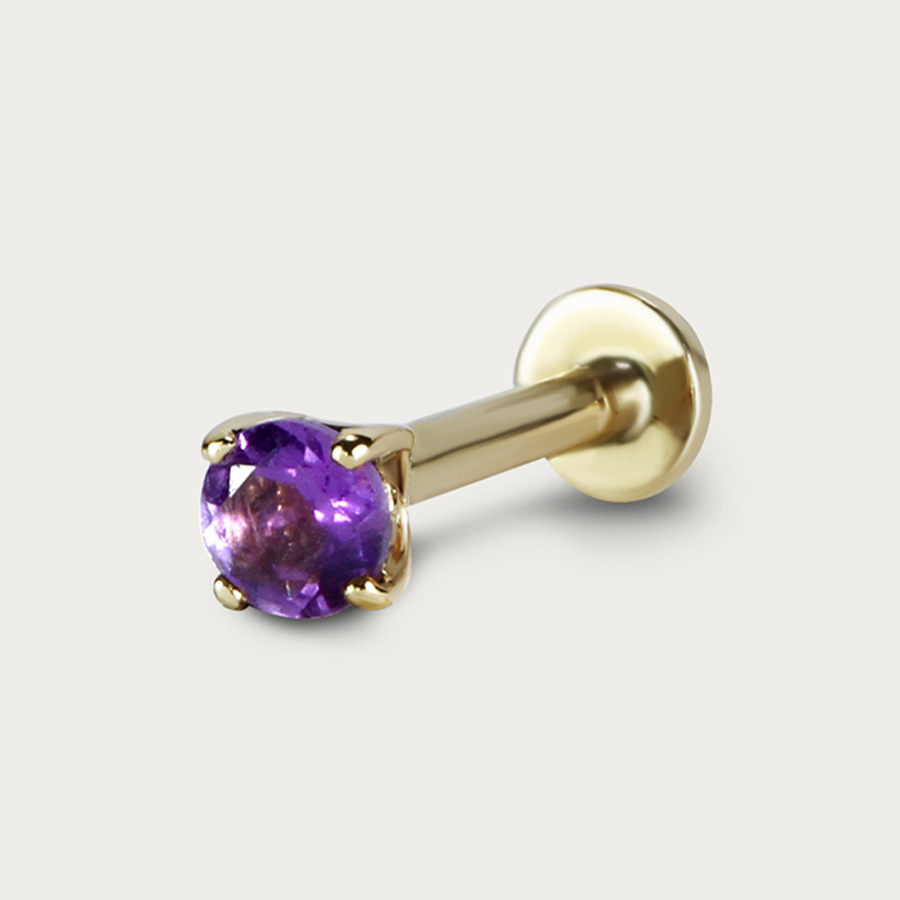
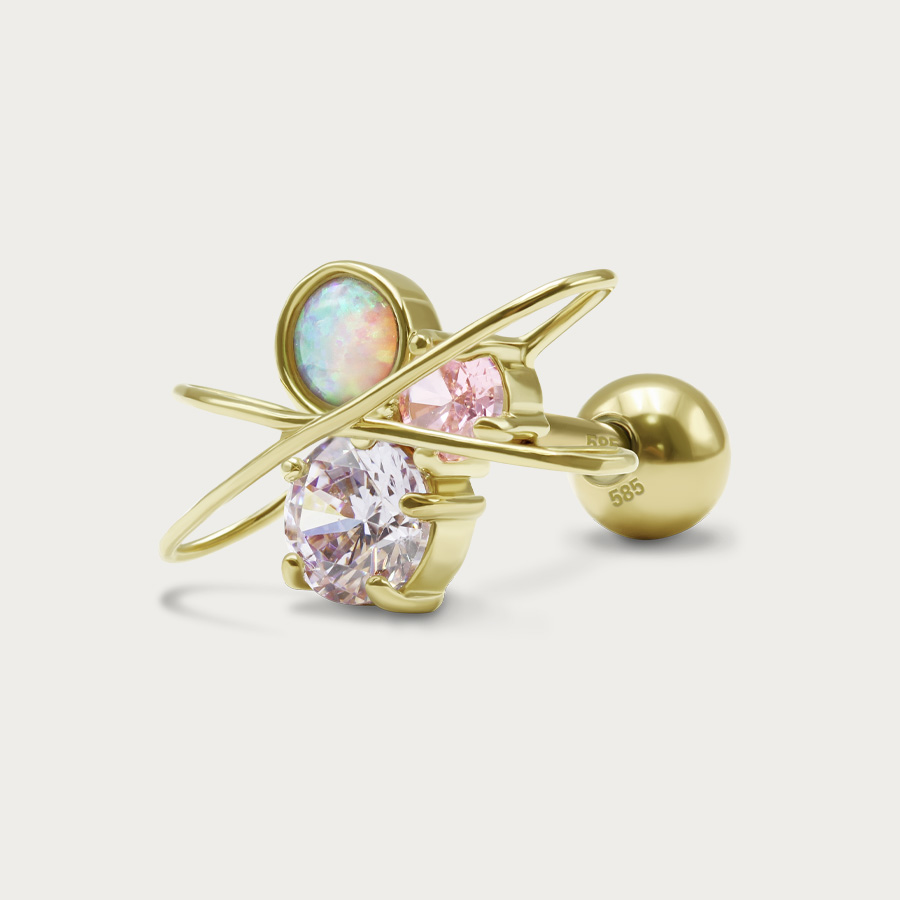
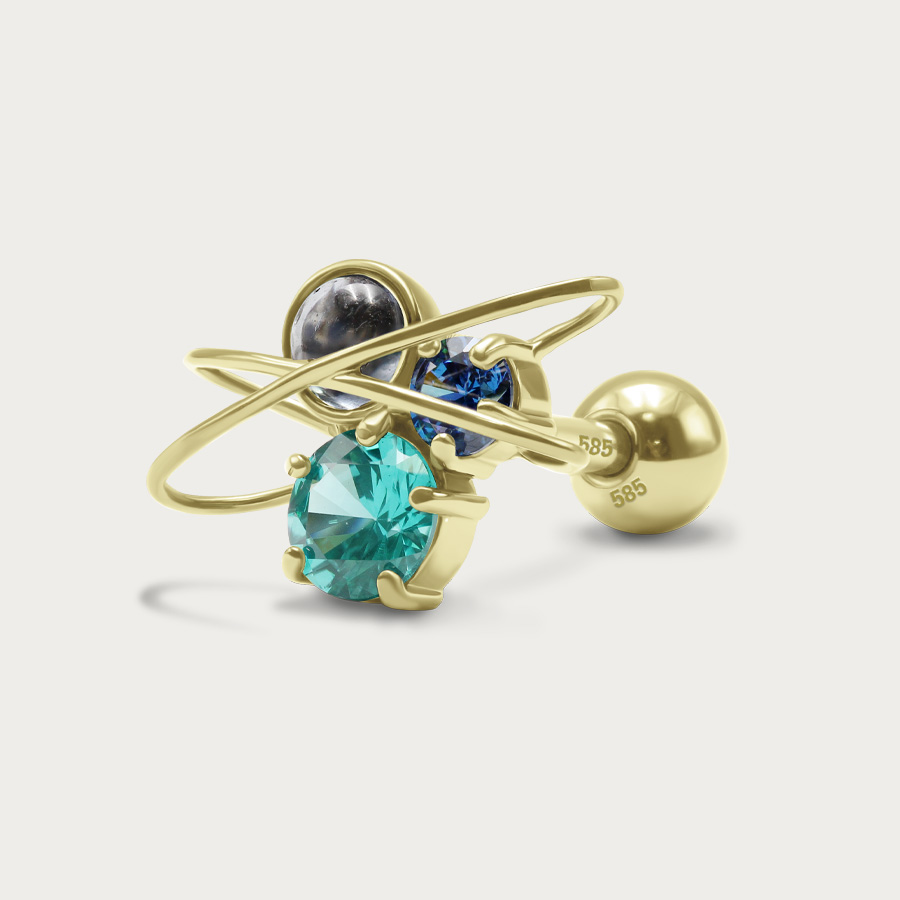
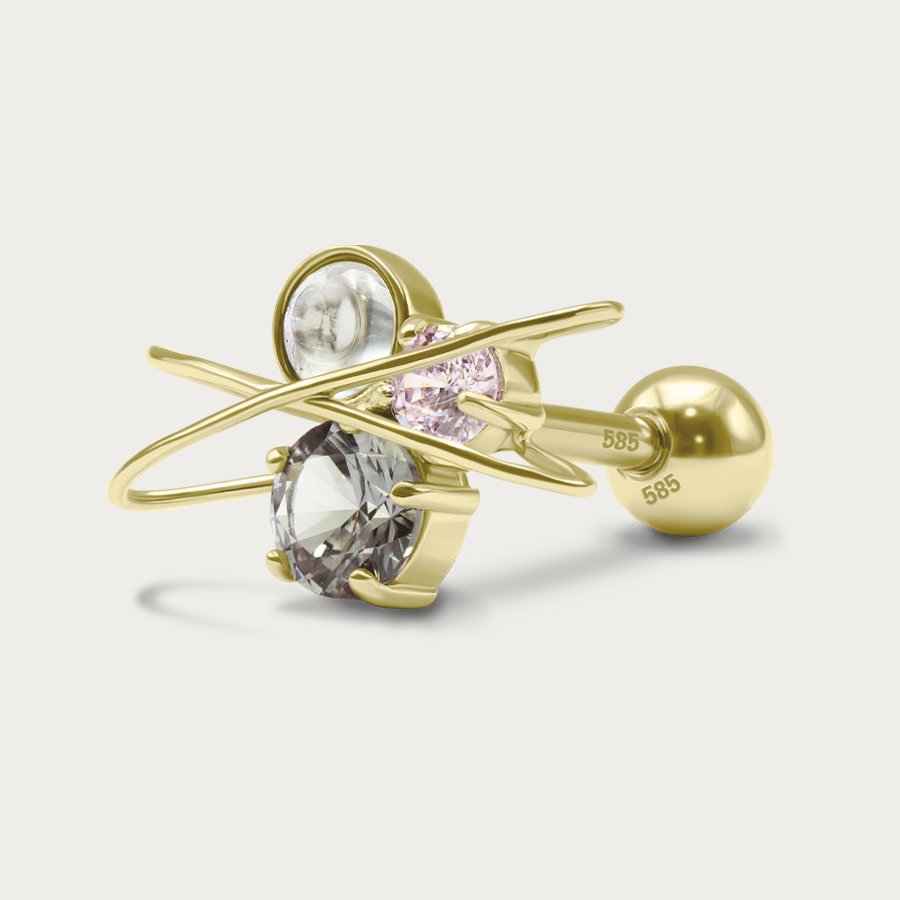
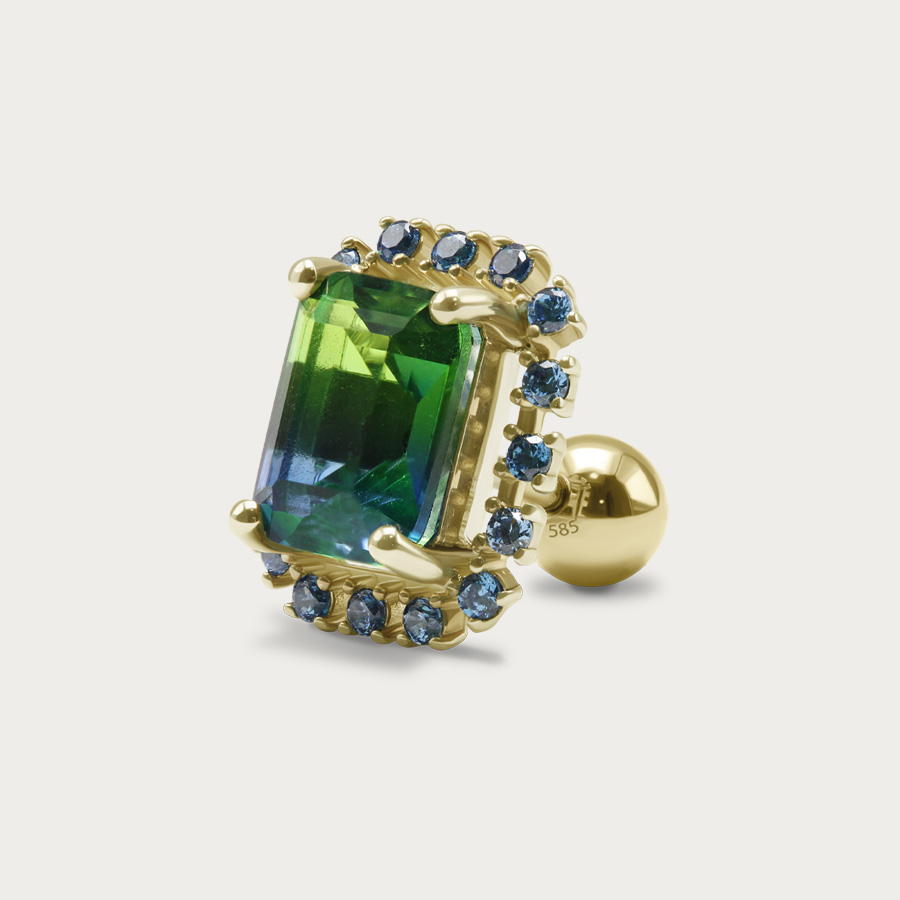
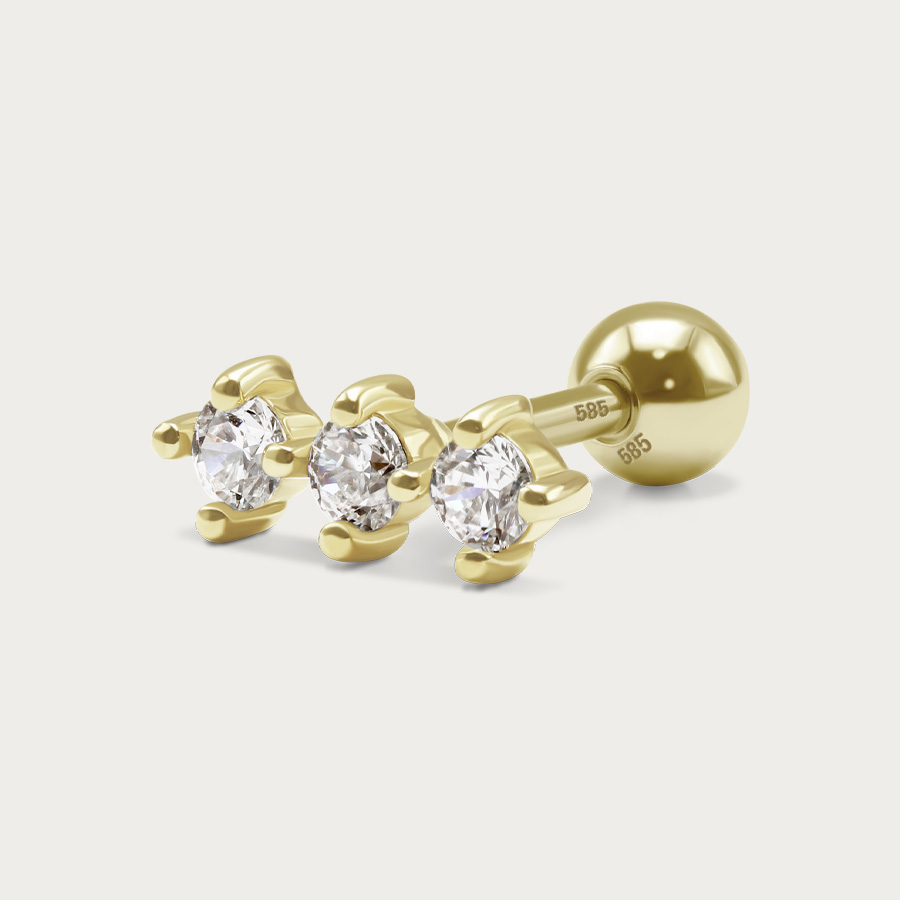
Prong-set and bezel-set gems, opals, cubic zirconia and natural stones, in ends that thread or push-fit onto your chosen post. Bezel settings are the safer specification for anything worn in a piercing, because there are no prongs to catch on clothing or bedding.
What to send us
A sketch on paper is enough to start. So is a photograph of something similar with a note about what should be different. CAD files are better still, and a physical sample is best of all. We cost it, make one sample properly, and you decide from the piece in your hand rather than a rendering. Changes at sample stage are cheap; changes after production starts are not.
Minimums and lead time
Gold and platinum can start from a single piece, depending on the value of the item, because the material carries most of the cost. Everything else is set per project, once we know the metal, the method and the stones, because those three things decide whether a short run is sensible or wasteful. Silver wants more volume, since the setup is the same but the material is cheap.
From first enquiry to a box on your desk is usually six to ten weeks, of which three to five weeks is production. Most of the rest is sampling and your own decisions, which is the part you control. If you have a date you need stock by, say so in the first email and we will tell you honestly whether it is possible.