






Choosing by hardness, not just by colour
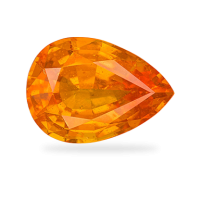
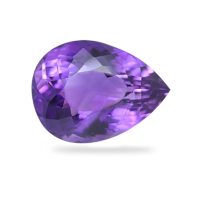
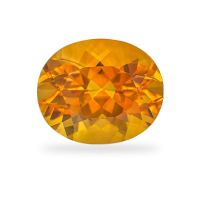
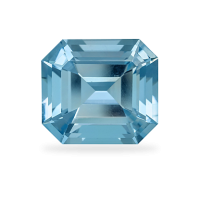
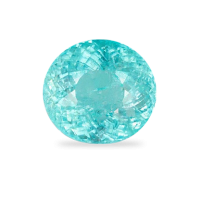
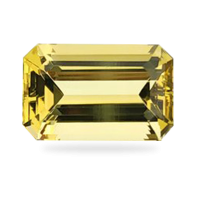
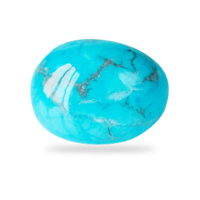
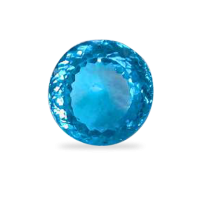
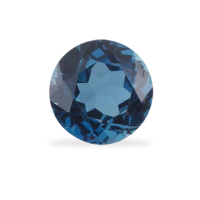
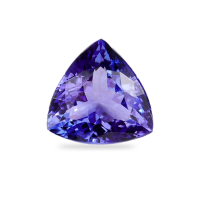
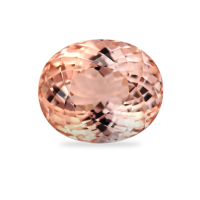
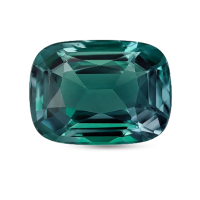
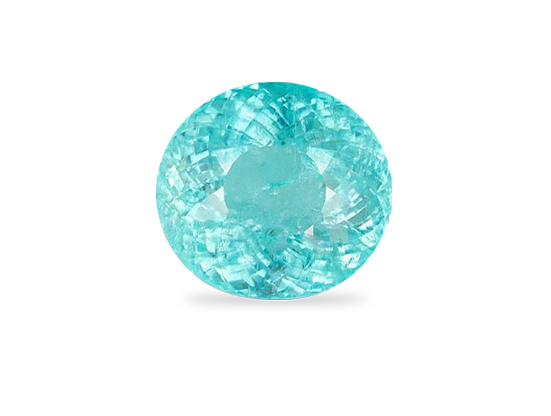
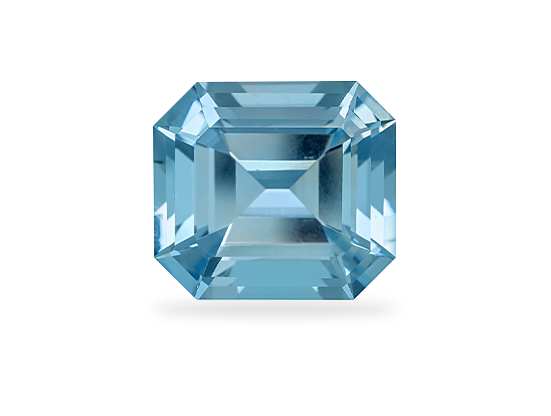
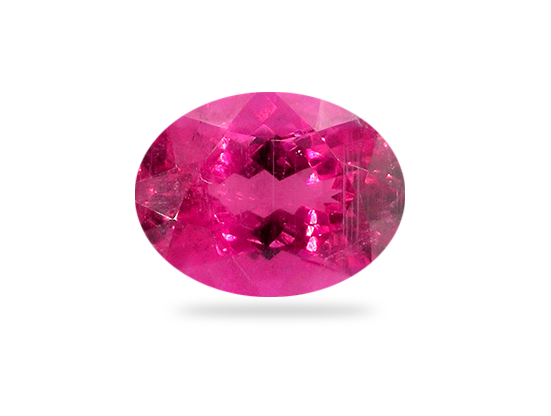
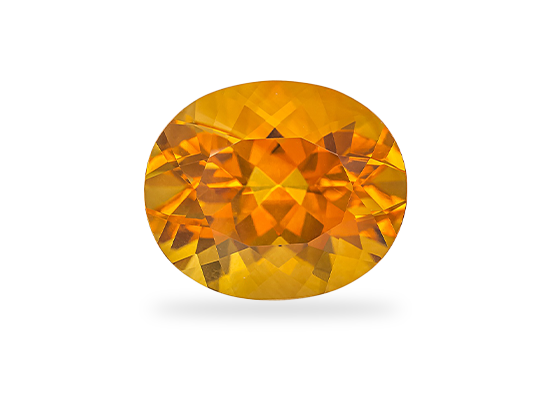
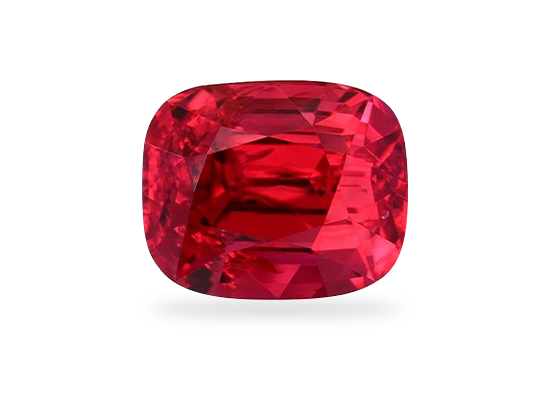
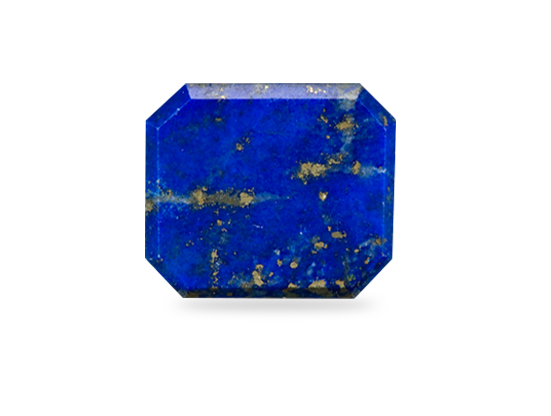
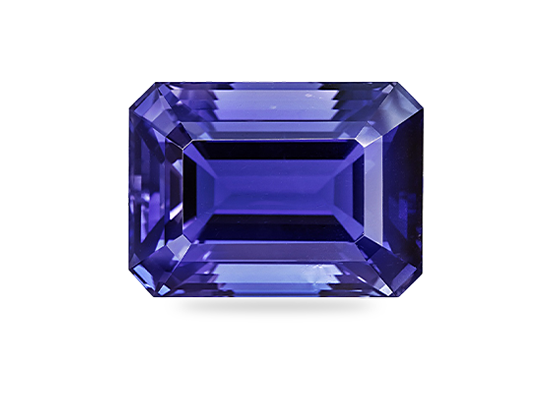
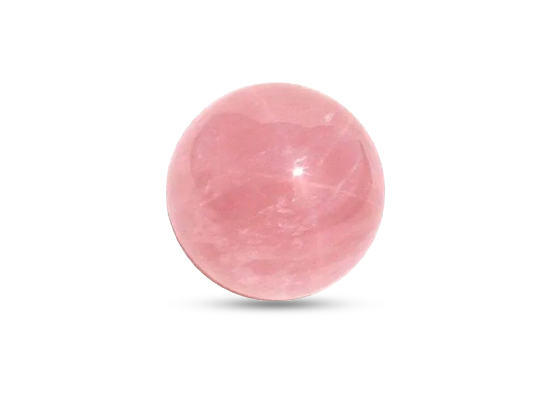
Semi-precious stones vary enormously in how well they survive being worn, and this should drive the design more than it usually does. Amethyst, citrine and the tourmalines are hard enough for rings with sensible settings. Aquamarine and spessartite are fine in earrings and pendants and want more protection in a ring. Softer stones belong in pieces that do not take knocks.
The commercial version of this rule: put your softer stones in earrings and pendants where they will look beautiful for years, and keep rings to the harder material. Returns in this category are almost always a hardness decision made at the design stage.
Calibrated sizes are where the savings are
Semi-precious stones are cut to standard calibrated sizes in volume, and a design built on those sizes costs a fraction of one built on an unusual size. Sticking to calibrated millimetre sizes also means a lost stone can be replaced years later, which matters for anything sold with a warranty.
If your design needs a size that is not standard, we will quote it, but we will also show you what the nearest calibrated size does to the price so the choice is yours with the numbers in front of you.
Colour consistency across a range
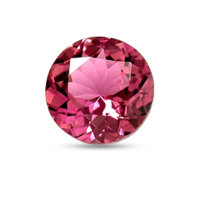
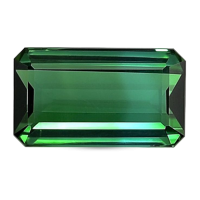
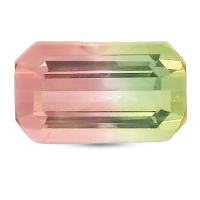
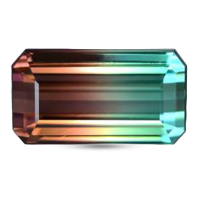
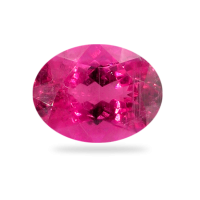
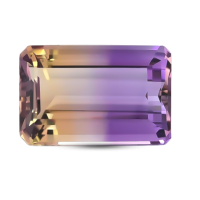
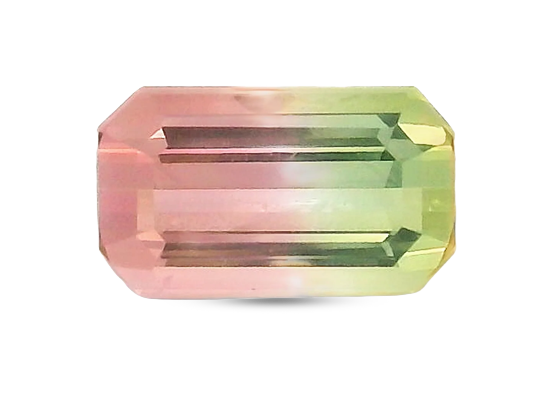
Tourmaline in particular runs across an enormous colour range, including bi-colour and tri-colour stones where two or three colours appear in one piece. Those are wonderful in one-off jewelry and difficult in a repeatable range, because no two are alike. If you want the tourmaline look at volume, we will steer you toward the colour bands that can actually be matched.
Where semi-precious earns its place
This is the category that lets a range carry real colour at an approachable price, and it is where a boutique can differentiate against every other shop selling the same diamond studs. A well-made silver or 9k piece with a properly matched semi-precious stone sells against a plain gold piece at a similar price more often than most buyers expect.